
Can new builds be designed specifically for optimal solar panel installation?
Yes, new builds can indeed be designed specifically for optimal solar panel installation. By considering factors such as roof orientation, angle, and shading during the planning and construction phases, builders can create homes that are well-suited for solar energy systems. This approach not only maximises energy efficiency but also enhances the property’s value and sustainability credentials.
Incorporating solar-friendly design elements from the outset allows for seamless integration of solar technology, reducing the need for costly retrofitting in the future. As the demand for renewable energy solutions continues to grow, designing new builds with solar panels in mind is becoming increasingly important for forward-thinking developers and homeowners alike.
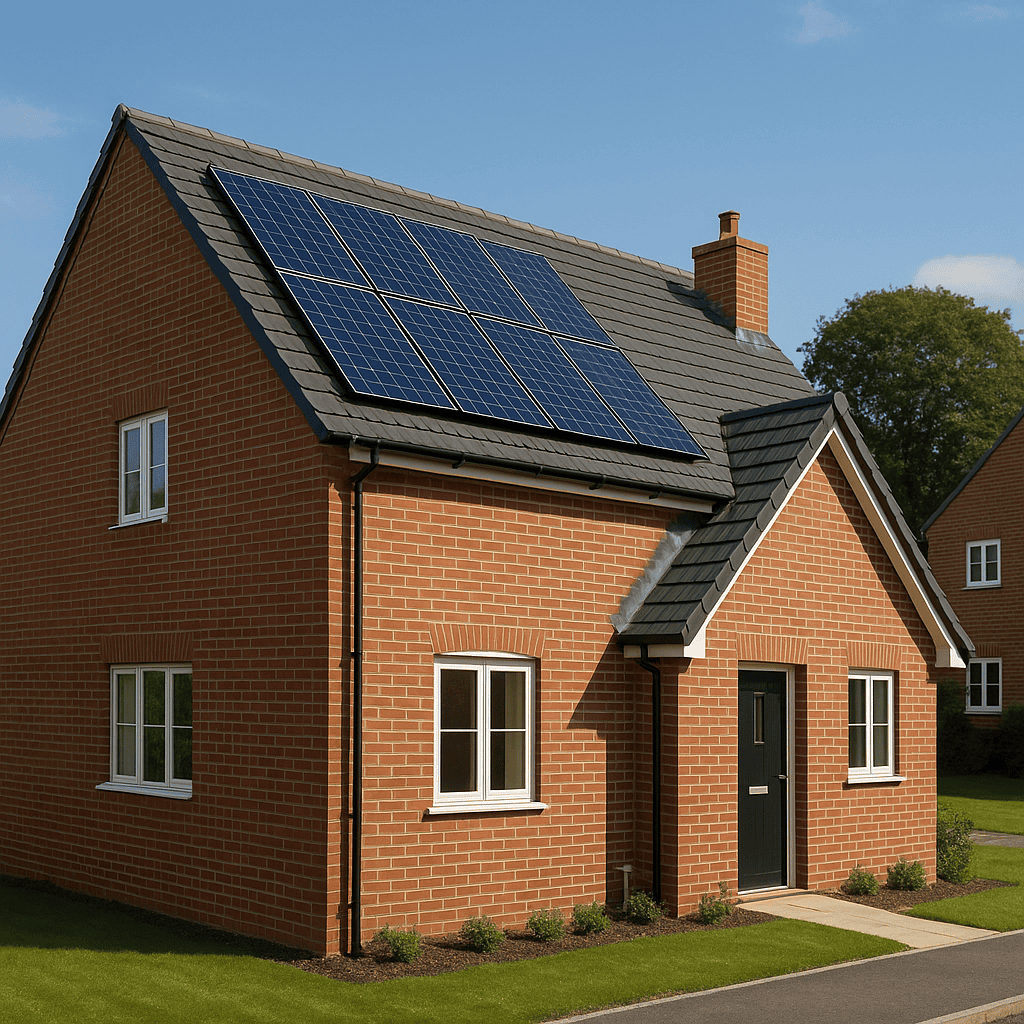
The orientation of a building plays a crucial role in harnessing solar energy effectively. Ideally, roofs should be positioned to capture maximum sunlight, typically facing south in the UK. This ensures that solar panels receive direct sunlight throughout the day, boosting their efficiency and energy output.
Additionally, the angle of the roof is also significant. Roofs with a pitch between 30 to 40 degrees are generally considered optimal for solar panel installation, as this angle allows for better absorption of sunlight. During the design phase, architects and builders can adjust roof angles to accommodate this, ensuring the panels work at their highest efficiency.
Finally, minimising shading is essential to optimise solar energy collection. New builds can be strategically designed to avoid shadows from trees, chimneys, or other structures. By planning the site layout carefully, builders can ensure that solar panels operate without obstruction, thus maximising their potential to generate clean, renewable energy.