
How does the solar battery installation process work?
The solar battery installation process is a crucial step towards enhancing the efficiency and reliability of your residential solar system. By understanding how this process works, you can make informed decisions that align with your energy needs. Essentially, the installation involves a series of steps that ensure your solar battery is integrated seamlessly with your existing solar panel system, allowing you to store excess energy for later use.
With the growing emphasis on renewable energy, solar batteries offer a sustainable solution to energy storage. They not only provide backup power during outages but also help in maximising your energy independence. This guide will take you through the key stages of the installation process, ensuring you are well-prepared and informed.
The first step in the solar battery installation process is assessing your energy needs and existing solar setup. This involves evaluating the capacity of your current solar panels and determining the appropriate size and type of battery that would best suit your requirements. An installer will typically conduct a site visit to gather all necessary information and provide you with a tailored solution.
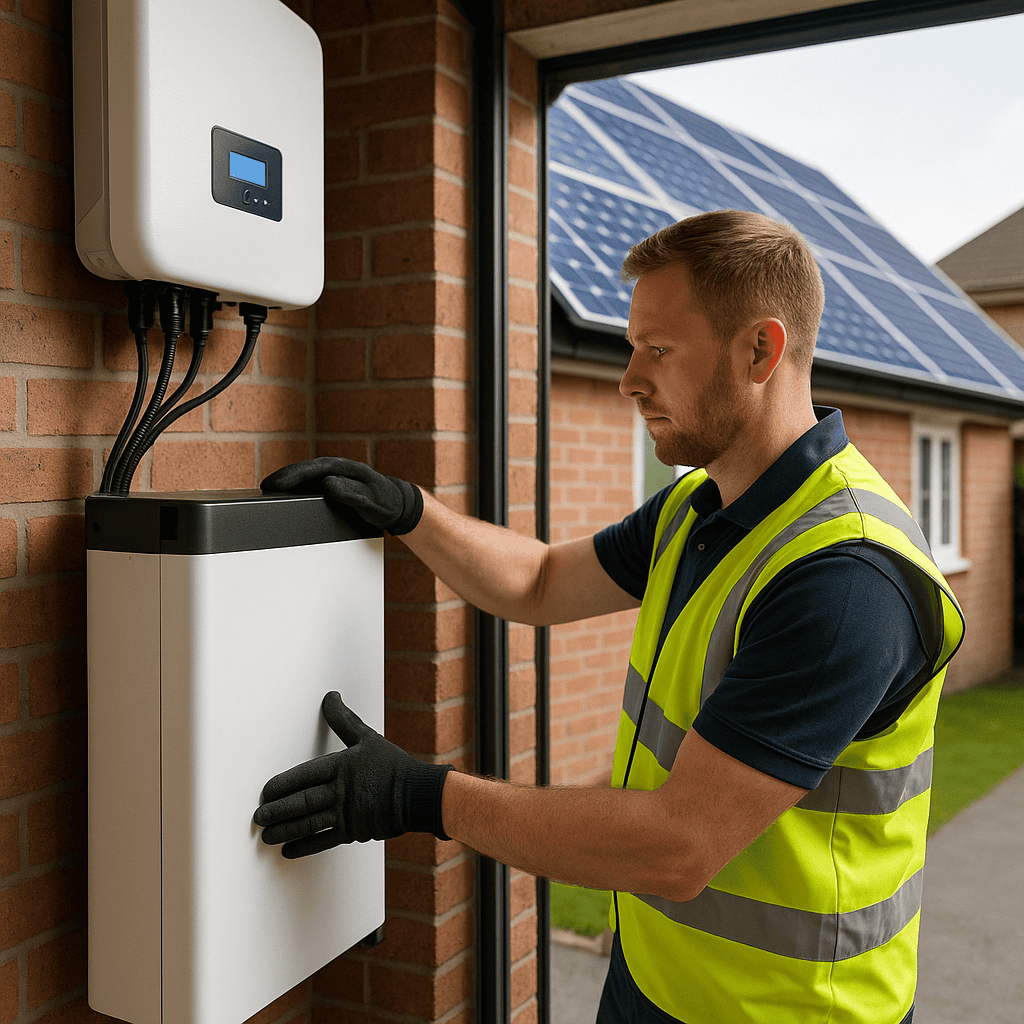
Once the assessment is complete, the next phase is the actual installation of the solar battery. This involves mounting the battery in a suitable location, often close to your existing solar inverter. The installer will connect the battery to your solar system, ensuring that all components are compatible and working efficiently together. This step is critical to ensure optimal performance and safety.
Finally, after the installation, the system is tested to confirm its functionality and efficiency. The installer will guide you through the operational aspects, including monitoring and maintenance tips. This ensures you are equipped to manage your system effectively, making the most of your solar energy investment.