
How do solar battery storage systems impact energy bills for homeowners?
Solar battery storage systems have become a compelling solution for homeowners looking to optimise their energy usage and reduce bills. By storing excess energy generated from solar panels, these systems allow homeowners to utilise stored energy during peak demand times or when solar production is low, thus decreasing reliance on the grid. This not only enhances energy independence but also offers financial benefits.
Moreover, with the increasing volatility in energy prices, having a solar battery storage system can provide a buffer against rising costs. By maximising the use of self-generated solar power, homeowners can significantly lower their energy expenses, making it a financially savvy investment in the long term.
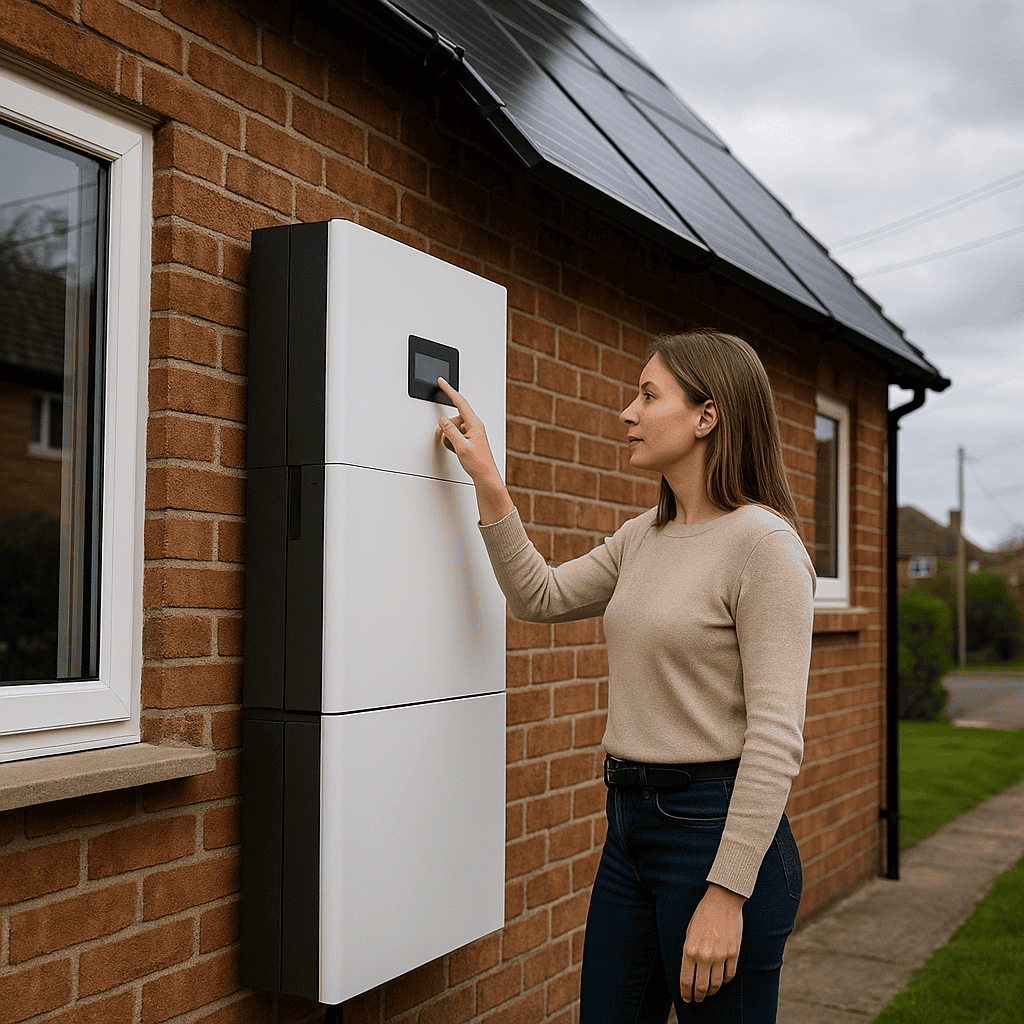
Solar battery storage systems work by capturing and storing surplus electricity generated by solar panels during sunny periods. This stored energy can then be used during the night or on cloudy days when solar production diminishes. As a result, homeowners can reduce their dependency on electricity from the grid, which often comes at a higher cost during peak usage times.
Additionally, many regions offer time-of-use pricing, where electricity rates vary throughout the day. By utilising stored solar energy during high-rate periods, homeowners can avoid these premium charges, leading to substantial savings on their energy bills. This ability to shift energy usage patterns to more cost-effective times is a key economic advantage of solar battery systems.
Lastly, solar battery storage systems can also contribute to a more sustainable lifestyle. By maximising the use of renewable energy, homeowners not only save money but also reduce their carbon footprint. This dual benefit of financial savings and environmental responsibility makes solar battery storage an attractive option for environmentally conscious homeowners seeking long-term energy solutions.
