
How do solar batteries work in conjunction with home solar systems?
Solar batteries play a crucial role in maximising the efficiency and benefits of home solar systems. By storing excess energy generated during sunny periods, these batteries ensure that your home can continue to be powered even when the sun is not shining. This not only increases energy independence but also optimises the use of renewable energy, reducing reliance on the grid.
In essence, solar batteries allow homeowners to make the most of their solar panels by balancing energy production and consumption. They enable a more sustainable and reliable energy solution, making solar power a viable option for more households. Understanding how these systems work together can help you make informed decisions about your energy needs.
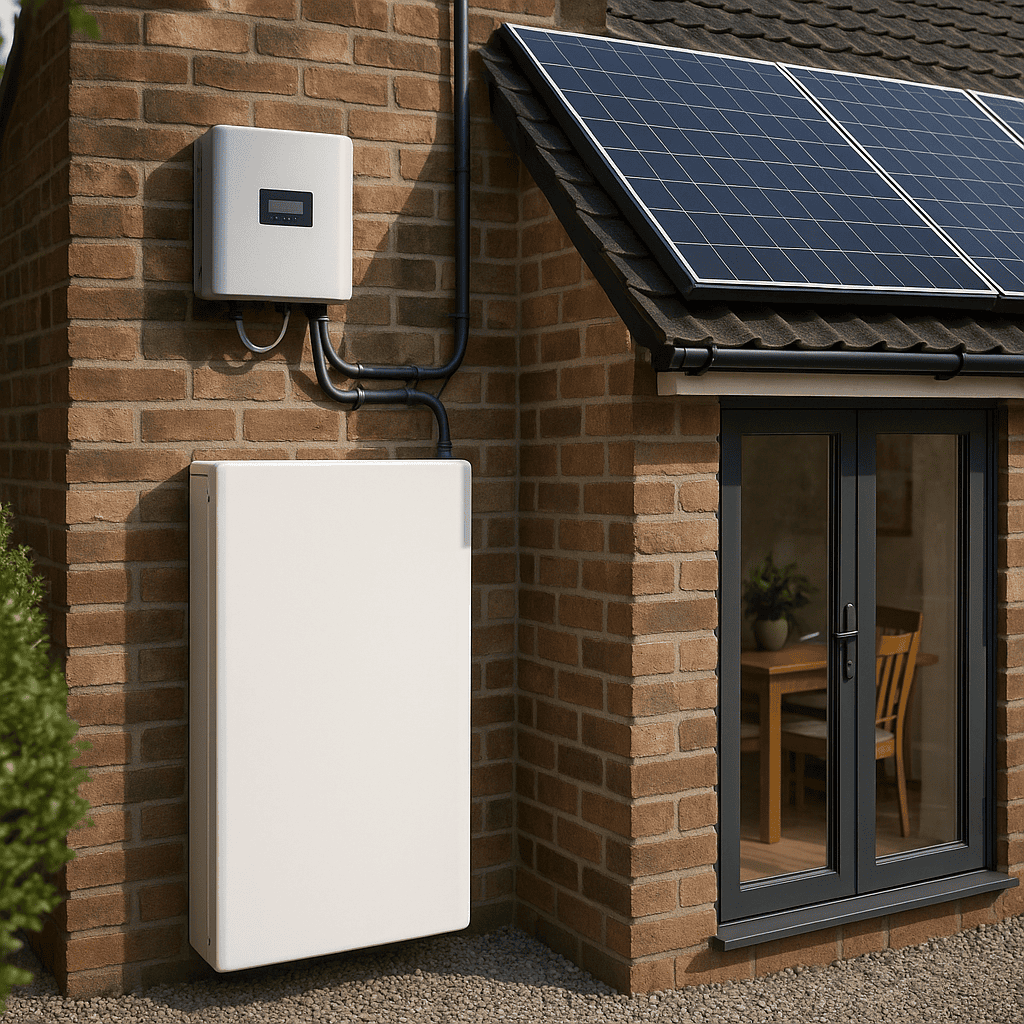
Solar batteries function by storing the surplus electricity generated by your solar panels during the day. This stored energy can then be used during the night or during periods of low sunlight, providing a continuous power supply. This process involves converting the direct current (DC) electricity generated by the solar panels into alternating current (AC) electricity, which is usable by most household appliances.
In addition to providing backup power, solar batteries also help in managing energy use more efficiently. By storing energy during peak sunlight hours and releasing it during peak demand times, they can help reduce electricity bills. This is particularly beneficial in areas where electricity prices vary throughout the day, allowing homeowners to avoid higher rates.
Furthermore, solar batteries contribute to a more resilient energy system. In the event of a power outage, they can provide an emergency power supply, ensuring that essential appliances and systems continue to operate. This added layer of security underscores the value of integrating solar batteries with home solar systems, offering both economic and practical advantages.