
Are there any limitations for solar panel installation on pitched roofs?
Solar panels are an increasingly popular choice for homeowners looking to reduce energy costs and promote sustainability. When it comes to installing solar panels on pitched roofs, there are certainly factors to consider. While pitched roofs are generally well-suited for solar installations, their angles and orientations can influence the efficiency and feasibility of the panels.
Understanding the limitations of solar panel installation on pitched roofs is crucial for ensuring optimal performance. The angle of the roof, its orientation towards the sun, and potential shading from nearby structures or trees can all impact the effectiveness of a solar panel system. With careful planning, however, these challenges can often be mitigated to maximise energy output.
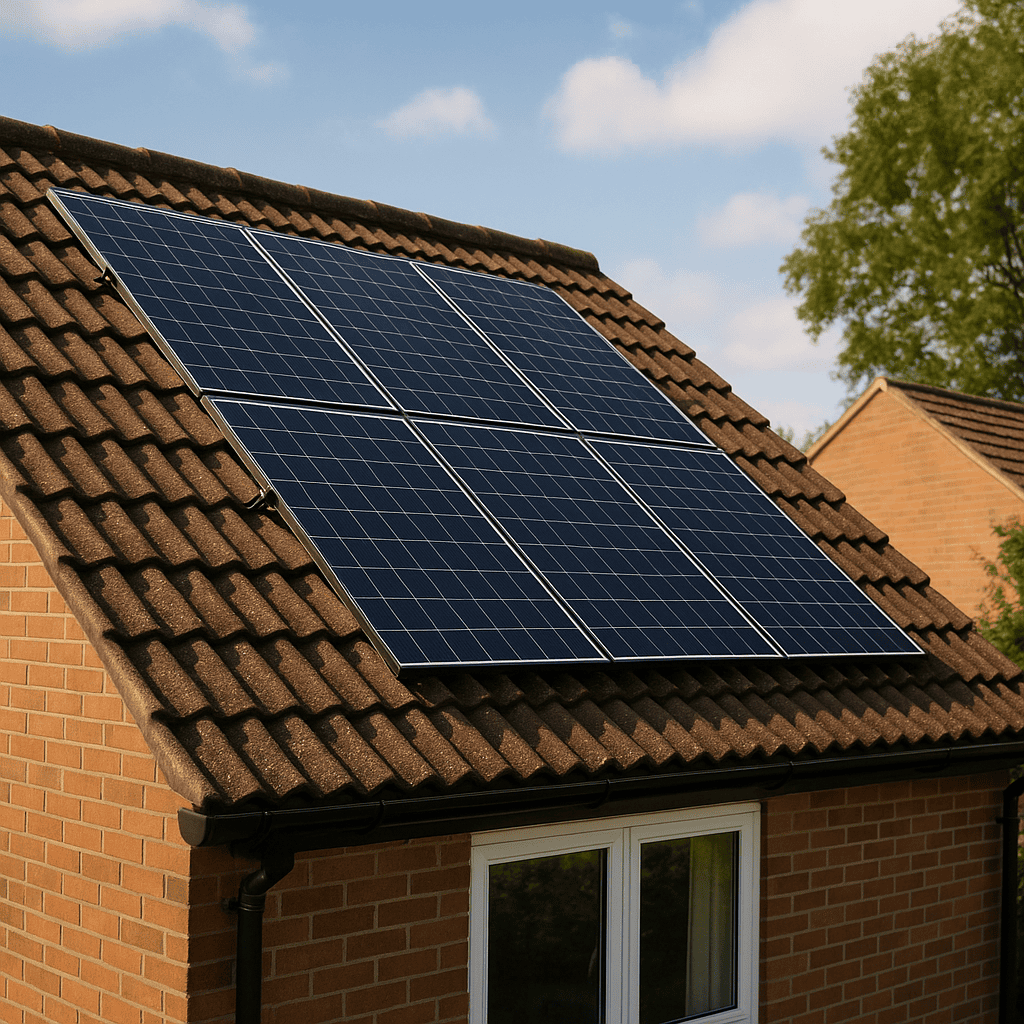
One of the primary considerations for installing solar panels on pitched roofs is the angle of the roof itself. Ideally, the roof pitch should be between 30 and 40 degrees, as this range typically allows for maximum sunlight exposure throughout the year. Roofs that are too steep or too shallow may require additional mounting solutions to optimise the angle of the panels.
The orientation of the roof also plays a critical role in the efficiency of solar panels. South-facing roofs in the UK usually receive the most sunlight, making them the most effective for solar installations. However, east- or west-facing roofs can still accommodate solar panels, although they may produce slightly less energy.
Potential shading from nearby structures or vegetation is another factor to consider. Even partial shading can significantly reduce the energy output of a solar panel system. Therefore, it is essential to conduct a thorough site assessment to identify and address any shading issues before installation. With the right adjustments and planning, solar panels can be successfully installed on most pitched roofs, providing a valuable renewable energy source.