
What are the benefits of solar energy for heritage properties compared to traditional energy sources?
Solar energy presents a compelling alternative for heritage properties, offering numerous benefits over traditional energy sources. As these properties often face challenges with modernisation due to their historical significance, solar energy provides a solution that respects their architectural integrity while promoting sustainability. By integrating solar panels, owners can reduce their carbon footprint and align with environmental conservation efforts without compromising the property’s aesthetic value.
Utilising solar energy can also lead to significant cost savings on energy bills, a factor crucial for the maintenance of heritage sites. Traditional energy sources are often subject to fluctuating prices, whereas solar energy offers a more stable and predictable cost structure. Additionally, the installation of solar panels can be customised to suit various roof types, ensuring that the unique characteristics of heritage properties are preserved. This adaptability makes solar energy a viable and attractive option for those committed to preserving the historical and cultural significance of their buildings.
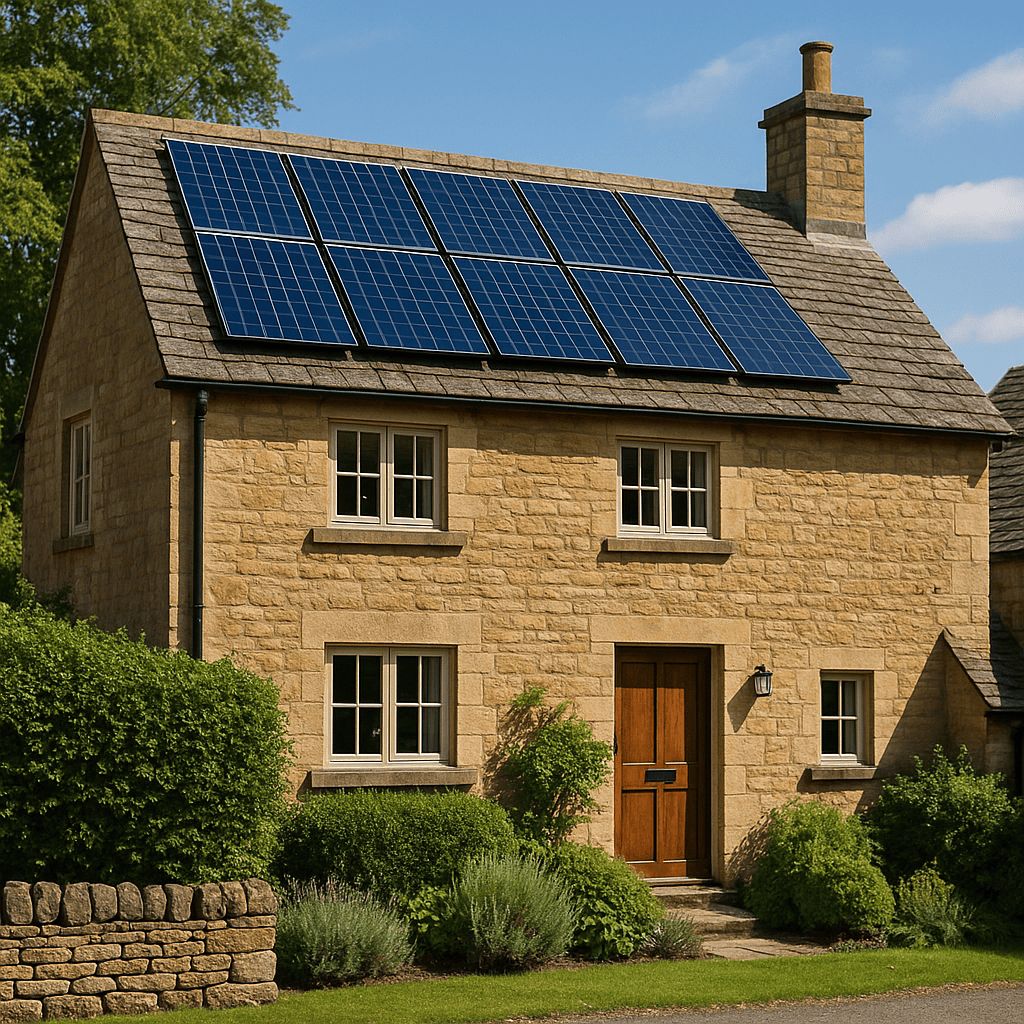
One of the primary benefits of solar energy for heritage properties is its minimal environmental impact. Unlike traditional energy sources that rely on fossil fuels, solar power generates electricity without emitting harmful pollutants. This aligns with the preservation goals of heritage properties, which often include maintaining the surrounding natural environment. By reducing reliance on non-renewable energy, property owners can contribute to a more sustainable future while safeguarding their site’s historical value.
Furthermore, solar energy systems can be discreetly installed to maintain the aesthetic integrity of heritage properties. Advances in technology have led to the development of solar panels that can be integrated into various roof types, including those with complex designs. Customisation options, such as solar tiles or slate-like panels, ensure that the visual impact is minimal, allowing the property to retain its historical appearance.
Financial incentives and government grants are often available for those who choose to install solar energy systems on heritage properties. These incentives can significantly offset the initial investment costs, making solar energy a cost-effective choice in the long term. By embracing solar power, heritage property owners not only benefit from reduced energy bills but also contribute to the broader goal of sustainable development.