
Are there specific regulations or guidelines for installing solar panels on heritage-listed roofs?
Installing solar panels on heritage-listed roofs involves navigating specific regulations and guidelines to preserve the historical and architectural value of such properties. While the push for renewable energy solutions is growing, it is essential to balance sustainability goals with the preservation of heritage sites. Local authorities and heritage organisations provide frameworks to ensure that any alterations do not compromise the integrity of these culturally significant buildings.
These guidelines often require that solar panel installations are sensitively integrated into the existing structure. This may involve restrictions on the location, size, and visibility of the panels to maintain the building’s historical appearance. Seeking the advice of conservation specialists and early engagement with planning authorities can help streamline the process and ensure compliance with all necessary requirements.
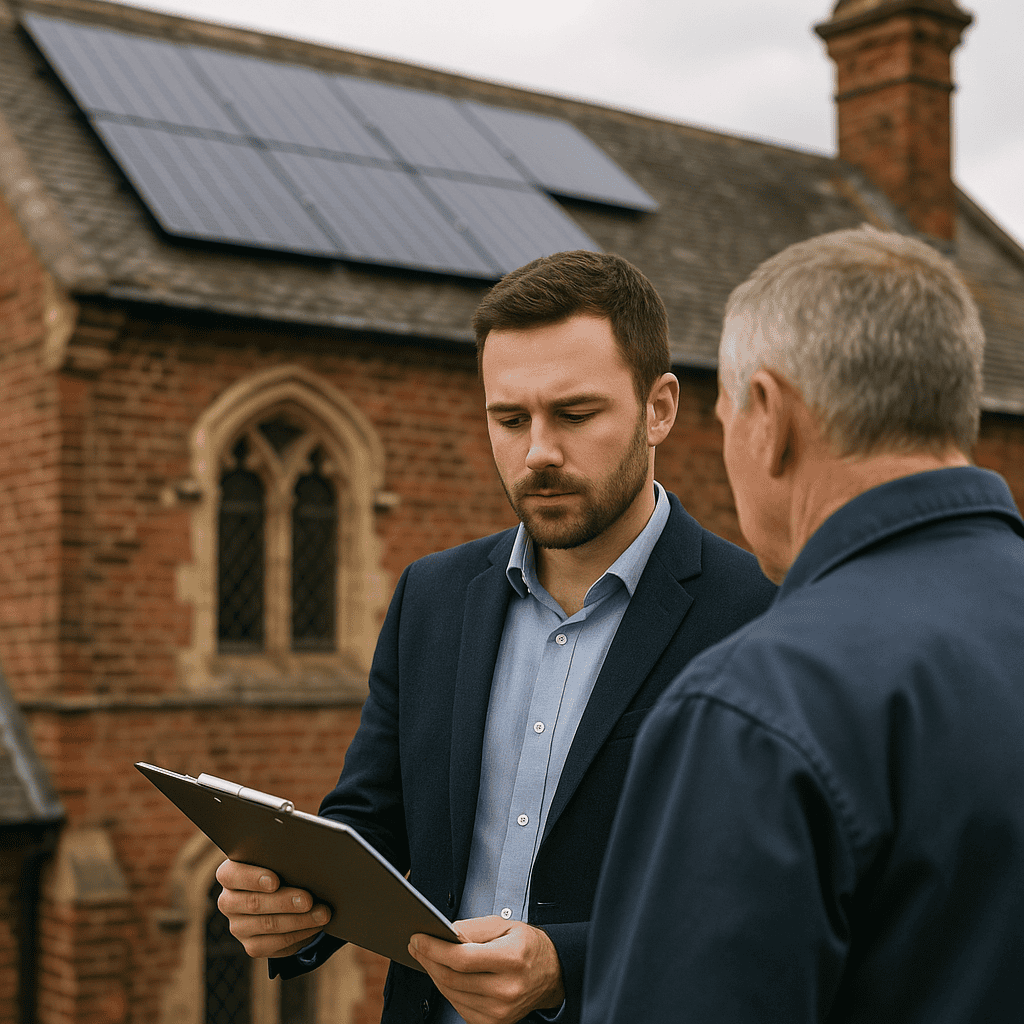
The first step in installing solar panels on a heritage-listed roof is to consult with the local planning authority. They will provide the specific regulations applicable to the property, which can vary depending on the historical significance and architectural features of the building. It is crucial to understand these regulations early in the planning process to avoid any potential legal issues or delays.
In many cases, obtaining listed building consent is necessary before proceeding with the installation. This consent ensures that the proposed changes are sympathetic to the building’s character and historical value. The application process may require detailed plans and justifications for the installation, demonstrating that it will not adversely affect the property’s heritage status.
Finally, working with professionals experienced in heritage property renovations can greatly aid in achieving a successful installation. These experts can provide valuable insights into how to best integrate solar technology with minimal visual impact, ensuring that both energy efficiency and preservation goals are met.