
How do weather conditions affect the structural integrity of roofs for solar installations?
Weather conditions play a crucial role in determining the structural integrity of roofs, especially those bearing solar installations. Factors such as wind, rain, snow, and temperature fluctuations can significantly impact the durability and safety of these roofs. Understanding these effects is essential for ensuring the longevity and performance of solar panels.
Extreme weather events, including storms and heavy snowfall, can exert additional stress on roofing structures. This can lead to potential damage or compromise the roof’s ability to support solar installations. By taking into account the local climate and weather patterns, one can make informed decisions about the appropriate materials and designs for roofing structures intended to support solar panels.
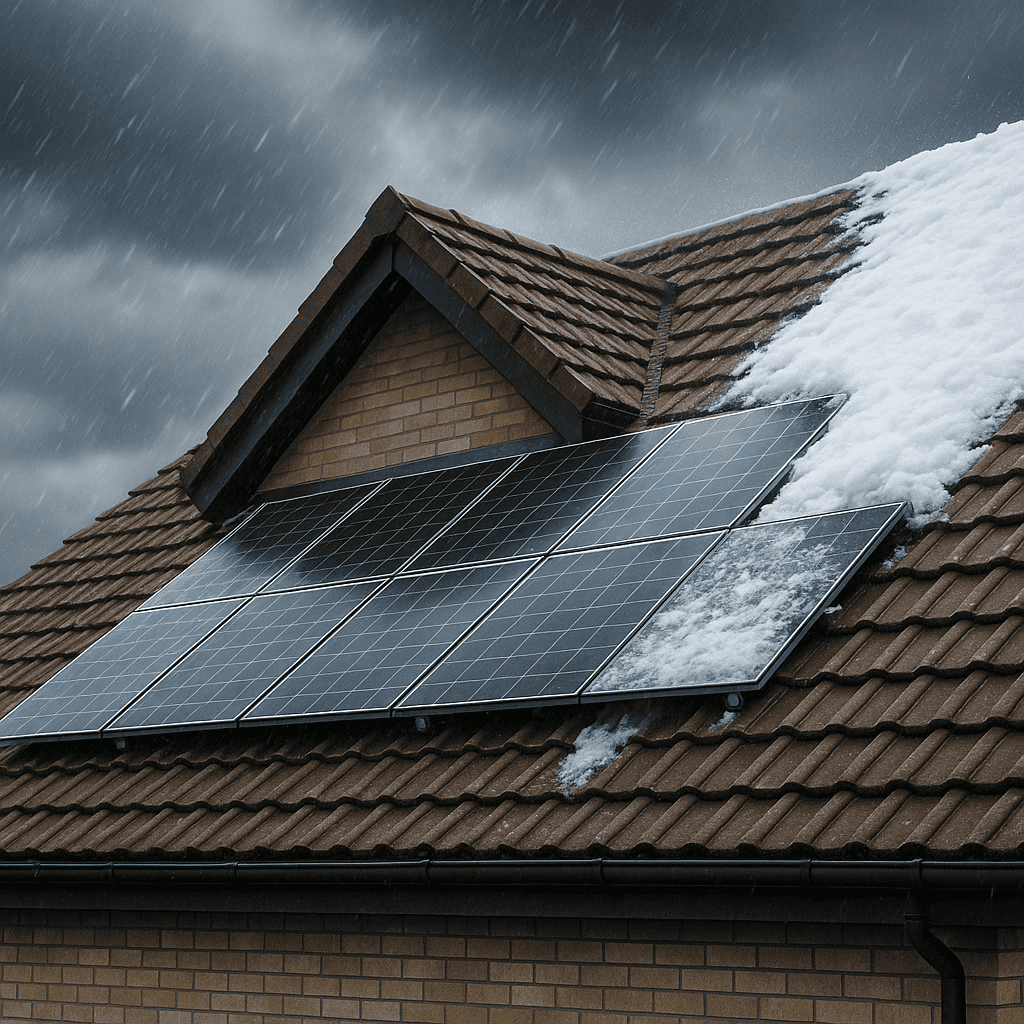
Wind is a significant factor in assessing the impact of weather on solar roofs. High winds can lead to uplift forces, which may damage roofing materials or even dislodge solar panels. Ensuring that roofs are designed to withstand local wind speeds is crucial to maintaining their structural integrity and the safety of the solar installations they support.
Similarly, precipitation in the form of rain or snow can have adverse effects. Persistent rain may lead to water ingress if roofs are not properly sealed, while heavy snow can add considerable weight to the roof structure. Adequate drainage systems and regular maintenance can mitigate these risks, preserving both the roof and the solar panels.
Temperature fluctuations can also affect roofing materials. Expanding and contracting due to temperature changes can cause wear over time, potentially leading to cracks or other forms of degradation. Selecting materials that are resilient to temperature variations and ensuring proper installation can help maintain the roof’s strength and the solar installation’s effectiveness.