
How can I determine if my roof is structurally suitable for solar panels?
Determining whether your roof can support solar panels is an essential step before installation. The structural integrity of your roof is crucial to ensure safety and the optimal performance of your solar system. A structurally sound roof not only supports the weight of the panels but also withstands varying weather conditions over time.
Various factors influence the suitability of a roof for solar panels, including its age, material, and design. Understanding these elements can help you make an informed decision. By assessing these aspects, you can determine if your roof requires reinforcement or if it is ready to accommodate solar technology.
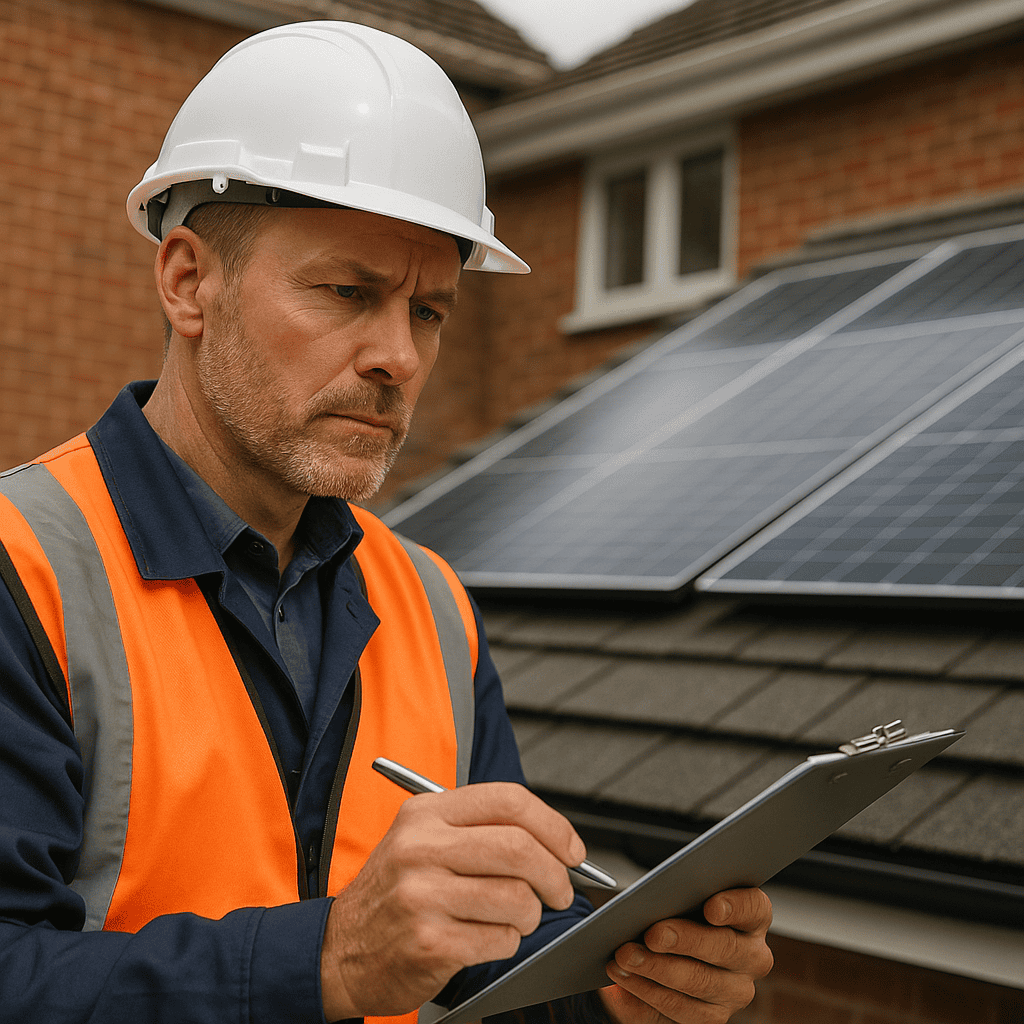
The first step in assessing your roof’s suitability is to consider its age and condition. Older roofs may require inspection by a professional to ensure they can support additional weight. It is generally advisable to install solar panels on roofs that are less than ten years old, as newer roofs are more likely to be in good condition and free from structural issues.
Next, the material and design of your roof play a significant role in its structural suitability. Roofs made from materials like concrete, metal, or asphalt shingles are typically more robust and can support solar panels effectively. Additionally, the pitch and orientation of your roof should be considered, as they can impact the efficiency of your solar system. A roof with a moderate pitch and a south-facing orientation is often ideal for solar panel installation.
Finally, consulting with a structural engineer or roofing specialist is a prudent step. These professionals can conduct a thorough assessment of your roof and provide recommendations for any necessary reinforcements. They can also offer valuable insights into any local building codes or regulations that may affect your installation. By taking these steps, you can ensure your roof is ready to support a solar panel system safely and efficiently.