
Top 3 things about Roof Strength Checks
Understanding roof strength checks is essential for safe solar panel installation. Here are the key aspects to consider for structural integrity.
Assess Load-Bearing Capacity
Evaluate the roof's ability to support additional weight from solar panels, ensuring it meets the required load-bearing standards for safety and durability.
Inspect Roof Condition
Conduct a thorough inspection for any existing damage, such as leaks or rot, which could compromise the roof's strength and the solar panel installation.
Consult Structural Engineers
Engage a qualified structural engineer to perform detailed assessments and provide recommendations tailored to your specific roof type and solar installation needs.
Steps to Assess Roof Strength
To ensure your roof is adequately prepared for solar panel installation, the first step is to conduct a thorough visual inspection. Look for any visible signs of damage, such as cracked tiles, sagging areas, or rust on metal components. These issues can indicate underlying structural weaknesses that need to be addressed before proceeding with solar panel installation.
Next, it’s essential to evaluate the age and material of your roof. Different roofing materials have varying lifespans and load-bearing capacities. If your roof is nearing the end of its life, consider consulting a professional to determine whether repairs or replacements are necessary. Engaging a qualified structural engineer or a certified solar installer can provide valuable insights and recommendations tailored to your specific roof type, ensuring it can support the additional weight and stress from solar panels. Continue reading to learn about the specific structural checks required for a successful installation.
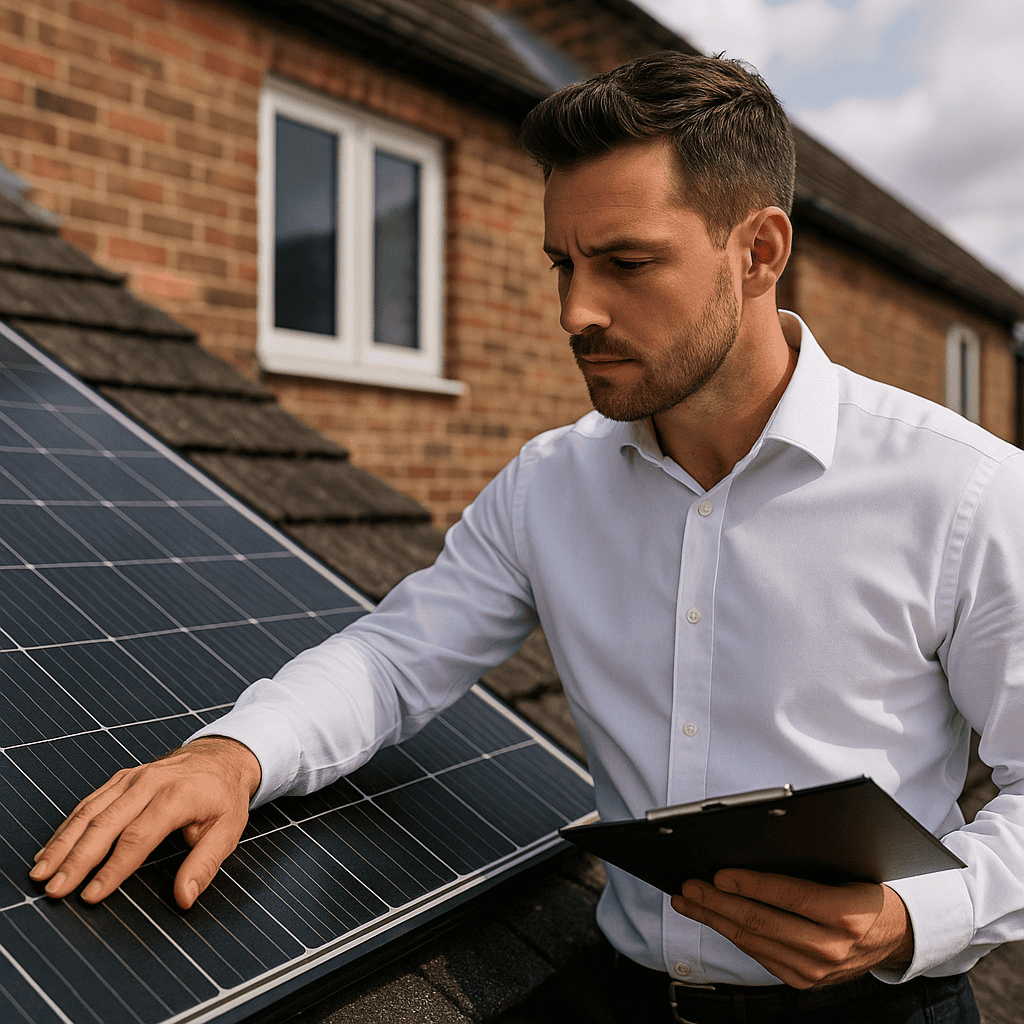
Roof Strength Assessment: What’s Involved
Our roof strength assessment process begins with a free site evaluation, where our qualified experts assess your roof’s condition to ensure it can support solar panels safely. We take into account factors such as roof material, age, and current structural integrity to guarantee optimal performance and longevity.
Next, we provide a bespoke design tailored to your home or business. This includes precise measurements and load calculations to ensure the solar PV system fits seamlessly and operates efficiently. Our team prioritizes safety and quality, adhering to the highest industry standards and guidelines set by the Renewable Energy Consumer Code.
Finally, our certified installation team ensures the setup is executed flawlessly, minimizing any disruption to your daily routine. Post-installation, we offer ongoing maintenance services to keep your system performing at its best, helping typical homeowners save between £800–£1,200 annually on energy bills. With us, you can trust your investment is in capable hands.
Top 5 Questions About Roof Strength and Structural Checks
What are the key factors to consider when assessing roof strength for solar panel installation?
Key factors include the roof's age, material, pitch, and existing structural integrity. It's essential to evaluate load-bearing capacity and any potential damage, ensuring the roof can support the additional weight and stress from solar panel installation.
How can I determine if my roof is structurally suitable for solar panels?
To assess your roof's suitability for solar panels, consult a qualified structural engineer who can evaluate its strength and condition. They will consider factors such as the roof's age, materials, and design to ensure it can support the additional weight.
What types of roof materials are best for supporting solar energy systems?
Roofs made from materials such as concrete tiles, metal, and slate are best suited for supporting solar energy systems due to their durability and strength. These materials can effectively bear the additional weight and provide long-lasting support for solar installations.
How do weather conditions affect the structural integrity of roofs for solar installations?
Weather conditions, such as heavy rain, snow, and high winds, can weaken roof structures over time. Regular assessments ensure that roofs can support solar installations, identifying any damage or deterioration that may compromise their integrity and safety.
What steps should I take to conduct a structural check on my roof before installing solar panels?
Begin by assessing the roof's age and condition, checking for any visible damage or wear. Consult a structural engineer to evaluate load capacity and ensure it can support solar panels. Finally, review local building regulations for compliance.