
What are the environmental considerations when decommissioning solar panels?
Decommissioning solar panels is an essential process that ensures their safe and environmentally friendly disposal once they have reached the end of their operational life. The environmental considerations involved in this process are crucial as they help minimise the potential negative impact on our planet. By understanding these considerations, we can ensure that solar energy remains a truly sustainable option.
Proper decommissioning involves the careful dismantling and recycling of solar panels to prevent harmful substances from entering the environment. It is important to approach this task with an awareness of the materials involved and the best practices for their disposal. This ensures that the benefits of solar energy are not overshadowed by any unintended environmental consequences.
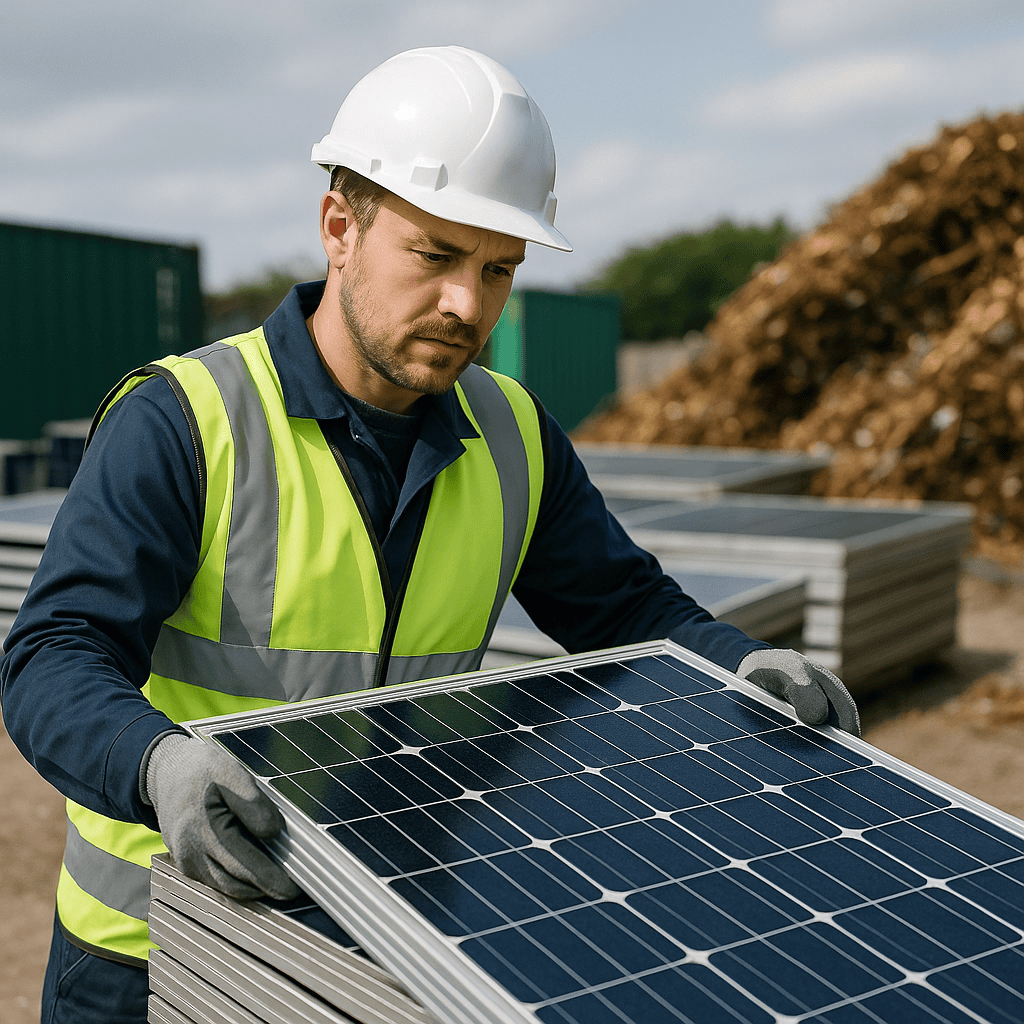
One of the primary environmental considerations when decommissioning solar panels is the management of hazardous materials. Solar panels contain substances such as cadmium and lead, which can be harmful if not disposed of correctly. Specialised recycling facilities are equipped to handle these materials safely, preventing them from contaminating soil and water sources.
Another important aspect is the recycling of valuable materials. By recycling components such as silicon, glass, and metals, we conserve natural resources and reduce the need for new raw materials. This not only helps in reducing the overall environmental footprint of solar panels but also supports the circular economy by reintroducing these materials into the production cycle.
Lastly, transportation and logistics play a significant role in the environmental impact of decommissioning. Efficient logistics planning can reduce carbon emissions associated with the transportation of decommissioned panels to recycling facilities. By prioritising local recycling options and optimising transport routes, the environmental impact can be further minimised.