
What are G98 and G99 regulations in residential solar installation?
G98 and G99 are technical standards that govern the connection of generation equipment, such as solar panels, to the electricity distribution network in the United Kingdom. These regulations ensure that any new generation capacity, including residential solar installations, is safely and efficiently integrated into the grid. Understanding these standards is essential for anyone considering solar energy solutions, as they dictate the process and requirements for connection approval.
Adhering to G98 and G99 regulations is crucial not only for compliance but also for ensuring the safety and reliability of your solar installation. These standards help manage the grid’s stability by controlling how much and how quickly electricity can be fed into the network. By understanding these regulations, homeowners can better prepare for the installation process and ensure a smoother transition to sustainable energy.
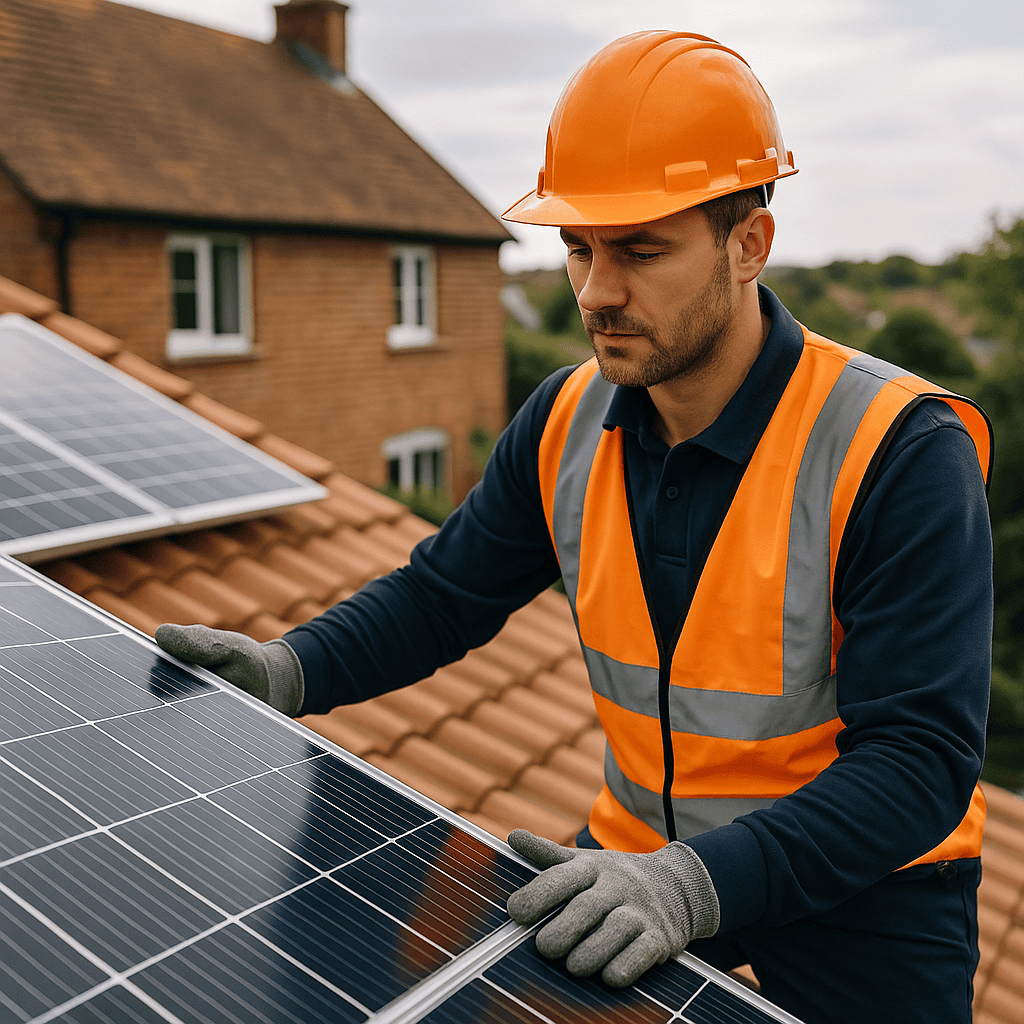
The G98 regulation applies to smaller, simpler connections, typically for single-phase installations up to 16 amperes per phase. This standard is generally applicable to most residential solar systems and allows for a streamlined application process, often referred to as a “fit and inform” procedure. This means that once the system is installed, the homeowner must notify the network operator, who then checks compliance.
On the other hand, G99 regulations apply to larger or more complex installations. This includes systems that exceed the 16-ampere threshold or involve three-phase connections. The G99 process is more detailed and requires prior approval before installation. It involves a comprehensive application that assesses the potential impact of the installation on the local network to ensure safety and grid stability.
Both G98 and G99 standards are vital for maintaining the integrity of the electricity distribution network while supporting the growth of renewable energy sources. By complying with these regulations, homeowners can contribute to a more sustainable energy future while ensuring their solar installations are safe and efficient.