
Demystifying G98 and G99 Regulations for Your Solar Installations
Understanding G98 and G99 is essential for ensuring your solar panel and inverter installations comply with UK regulations. Explore the key aspects of these standards to navigate the installation process and associated costs effectively.
Top 3 things about G98 and G99
G98 and G99 regulations govern the connection of renewable energy systems to the UK grid, ensuring safety and reliability. Understanding these can aid in compliance and installation.
What are G98 and G99?
G98 and G99 are UK regulations that outline the technical requirements for connecting small-scale and larger renewable energy systems to the electricity grid.
Installation Process Requirements
Both regulations require specific testing and documentation before installation, ensuring that systems meet safety and operational standards for grid connection.
Cost Implications for Compliance
Compliance with G98 and G99 can affect installation costs, as additional equipment and testing may be necessary to meet regulatory standards.
Getting Started with G98 and G99 Regulations
To begin your exploration of G98 and G99 regulations, it’s essential to understand their significance in the installation of solar photovoltaic (PV) systems and inverters. These regulations ensure that your renewable energy system is connected safely and effectively to the national grid, promoting reliability and efficiency. Start by familiarizing yourself with the key differences between G98, which covers smaller installations, and G99, which pertains to larger systems. This knowledge will empower you to make informed decisions when planning your solar project.
Next, consider reaching out to a qualified renewable energy provider who is well-versed in G98 and G99 requirements. They can conduct a comprehensive site assessment and guide you through the design and installation process. By collaborating with experts, you can ensure that your solar PV system complies with all necessary regulations, maximizing both safety and performance. Continue reading to delve deeper into the specifics of these regulations and how they impact your solar energy setup.
Navigating the G98 and G99 Installation Process
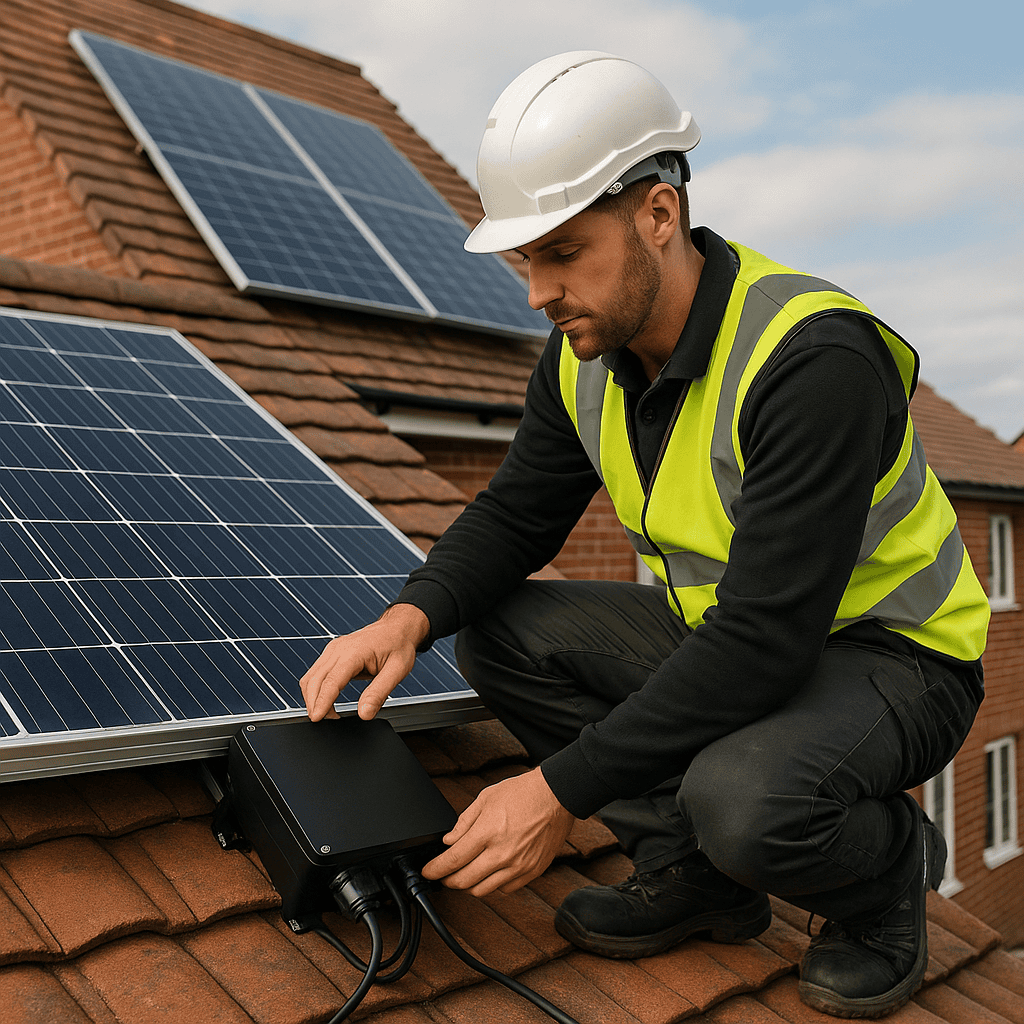
The installation process for solar panels and inverters under G98 and G99 regulations begins with a comprehensive site assessment. Our team conducts this free assessment to evaluate your property’s potential for solar energy, considering factors like roof orientation and shading. Following the assessment, a bespoke system design is crafted to meet your specific energy needs, ensuring optimal efficiency and compliance with safety standards.
Once the design is finalized, our certified technicians proceed with the installation, adhering to the stringent guidelines set out by G98 and G99. These regulations are crucial in ensuring that your solar system integrates seamlessly with the national grid, maintaining stability and safety for all users. Our commitment to high-quality work is reflected in our Renewable Energy Consumer Code listing, providing you with peace of mind.
After installation, we offer ongoing maintenance and support, ensuring your system operates at peak performance. This comprehensive service helps homeowners save between £800 and £1,200 annually on energy bills, making the switch to solar a sensible and sustainable choice.
Top 5 Questions About G98 and G99 Regulations
What are G98 and G99 regulations in residential solar installation?
G98 and G99 are UK regulations governing the connection of small-scale generation systems, like solar panels, to the electricity grid. G98 applies to systems up to 16A per phase, while G99 covers larger installations, ensuring safety and grid stability.
How do G98 and G99 impact the solar installation process?
G98 and G99 regulations dictate the technical requirements for connecting solar installations to the grid, ensuring safety and reliability. Compliance with these standards is essential for the approval process and affects the design, installation, and commissioning of solar systems.
What steps are involved in complying with G98 and G99 for solar installations?
To comply with G98 and G99, ensure your solar installation meets technical requirements, conduct necessary testing, submit documentation to your Distribution Network Operator (DNO), and obtain approval before connecting to the grid.
How can homeowners ensure their solar systems meet G98 and G99 standards?
Homeowners can ensure compliance with G98 and G99 standards by engaging qualified installers familiar with these regulations, obtaining necessary approvals from their Distribution Network Operator, and ensuring that all equipment meets the specified technical requirements for grid connection.
What are the benefits of understanding G98 and G99 for residential solar projects?
Understanding G98 and G99 regulations ensures compliance with grid connection standards, enhances system safety, and optimises performance for residential solar projects. This knowledge helps homeowners navigate installation processes and costs effectively, ultimately leading to a more efficient energy solution.