
What are the benefits of Home Energy Management Systems for residential solar users?
Home Energy Management Systems (HEMS) are becoming increasingly popular among residential solar users, offering a multitude of advantages that enhance both efficiency and savings. These systems serve as an intelligent interface between your solar panels and your home’s energy consumption, optimising the use of generated power and reducing reliance on the grid. By integrating advanced monitoring and control features, HEMS empower homeowners to make informed decisions about their energy usage, ultimately leading to a more sustainable lifestyle.
For residential solar users, the benefits of implementing a HEMS extend beyond mere cost savings. These systems provide greater insight into energy consumption patterns, allowing users to identify opportunities for further efficiency improvements. Additionally, by maximising the use of solar energy and minimising wastage, HEMS contribute to reducing the overall carbon footprint of the household. With these advantages in mind, it’s clear that HEMS play a crucial role in enhancing the effectiveness of residential solar systems.
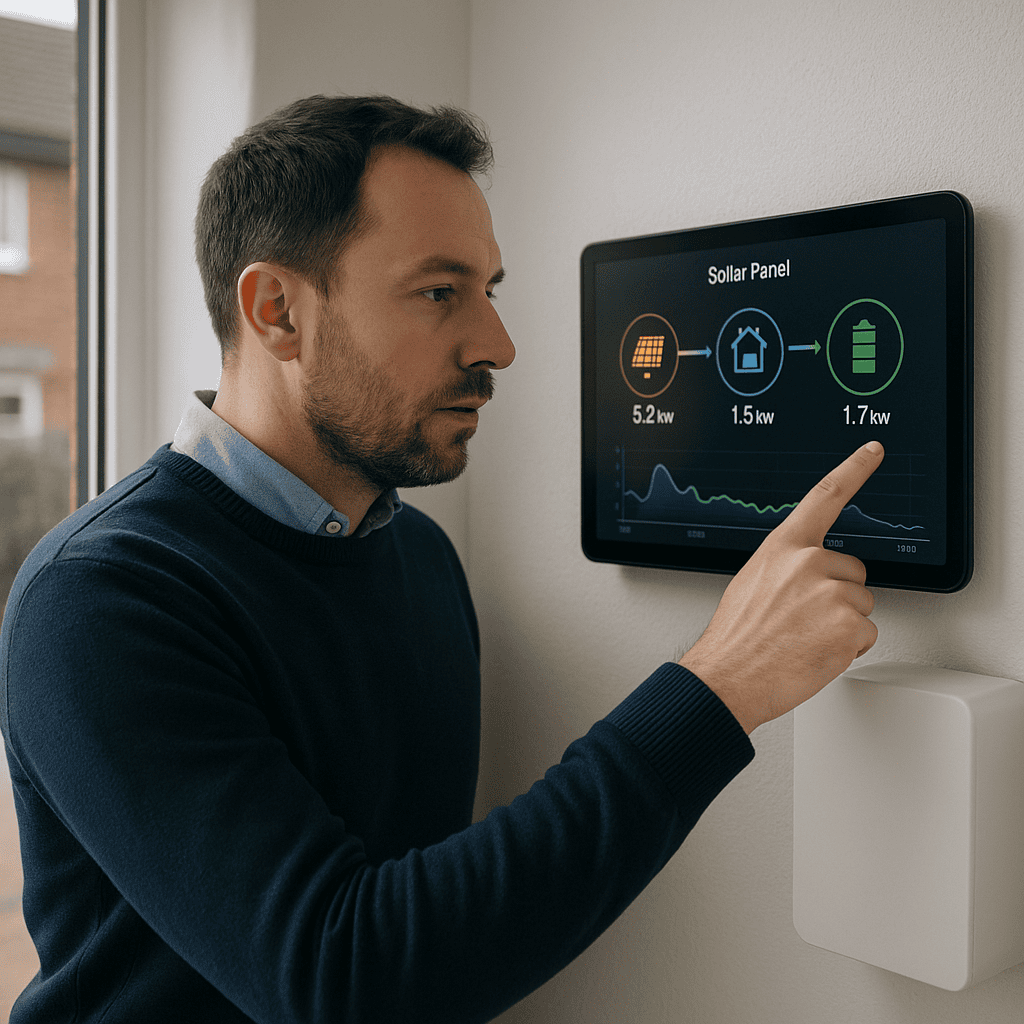
One of the primary benefits of Home Energy Management Systems for residential solar users is the ability to monitor and manage energy consumption in real-time. This capability allows homeowners to track their energy usage patterns and make adjustments as needed to optimise efficiency. By understanding when and where energy is being used, users can shift consumption to times when solar power generation is at its peak, thereby reducing reliance on the grid and lowering electricity bills.
Another significant advantage is the potential for increased savings. HEMS can automate the scheduling of energy-intensive appliances, ensuring they operate during periods of high solar output. This not only maximises the use of free solar energy but also takes advantage of potential time-of-use tariffs, where electricity costs less at certain times of the day. Over time, these adjustments can lead to substantial financial savings.
Lastly, HEMS contribute to a more sustainable lifestyle by promoting energy efficiency and reducing carbon emissions. By making the most of the renewable energy generated by solar panels, homeowners can significantly decrease their environmental impact. Moreover, the insights provided by HEMS can encourage further investments in energy-saving technologies, such as energy-efficient appliances or battery storage systems, further enhancing the home’s sustainability credentials.