
What factors should homeowners consider when choosing backup power options for solar energy?
When considering backup power options for solar energy, homeowners must evaluate several critical factors to ensure a reliable and efficient system. The choice of backup power can significantly impact energy independence, cost-effectiveness, and the overall sustainability of a home. By carefully assessing these elements, homeowners can make informed decisions that align with their energy needs and environmental values.
Backup power systems, such as batteries or generators, play a crucial role in maintaining energy supply during outages or periods of low solar production. Homeowners should consider their budget, energy consumption patterns, and the potential for future expansion when selecting a backup solution. By doing so, they can ensure that their home remains powered, even when the sun is not shining.
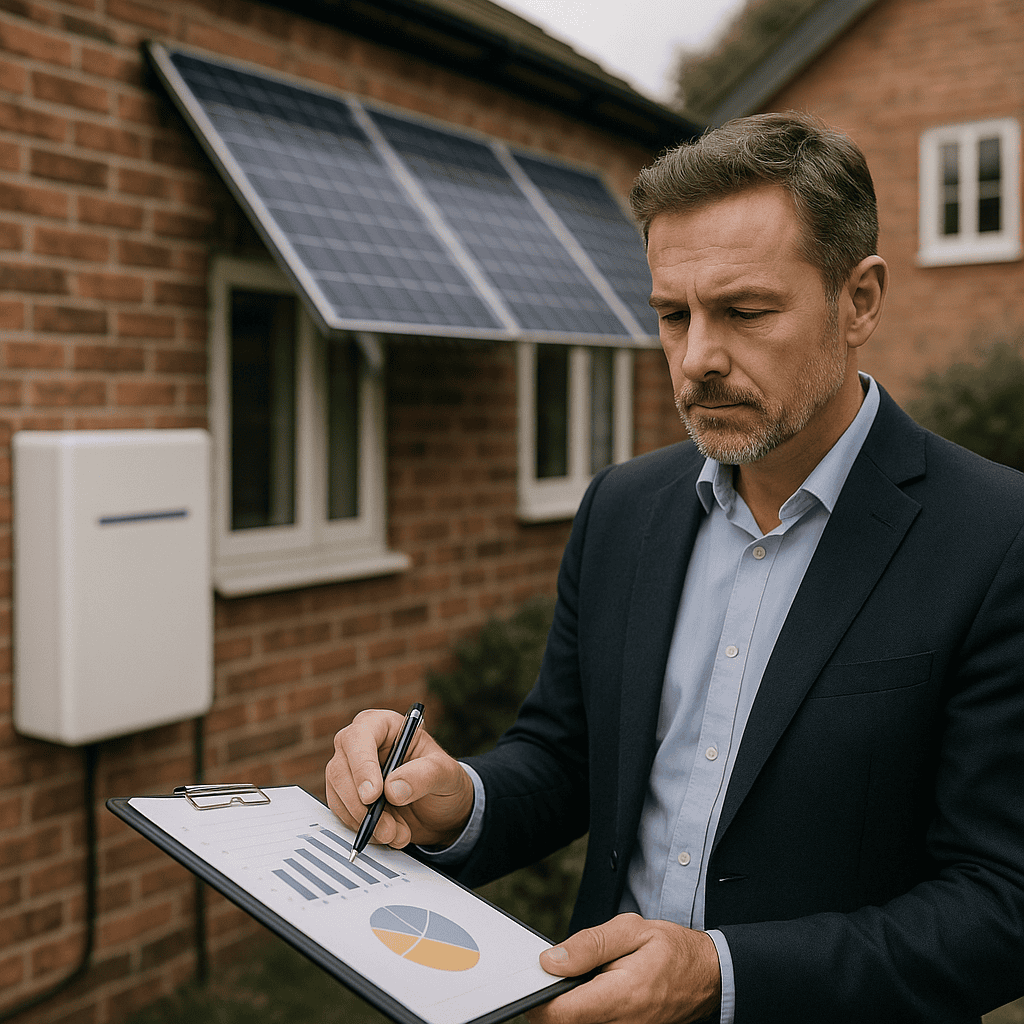
Firstly, understanding your household’s energy consumption is vital. This involves assessing how much power you typically use and determining the essential appliances you need to keep running during an outage. Knowing these details will help you choose a backup power system that can adequately support your home’s energy requirements.
Secondly, consider the financial implications of different backup power options. While battery systems may have a higher upfront cost, they offer long-term savings through reduced electricity bills and potential incentives. Alternatively, generators may be cheaper initially but could incur ongoing fuel costs and maintenance expenses. Evaluating these financial aspects will help you choose a solution that fits your budget both now and in the future.
Lastly, think about the environmental impact and sustainability of your backup power choice. Solar batteries are a cleaner option, reducing reliance on fossil fuels and contributing to a greener footprint. If sustainability is a priority, investing in a battery storage system may align better with your values. By considering these factors, homeowners can make a choice that not only meets their energy needs but also supports a sustainable lifestyle.
