
Are there specific building regulations for different types of residential solar systems?
When considering the installation of a residential solar system, understanding the relevant building regulations is crucial. These regulations ensure that the solar installation is safe, efficient, and compliant with local standards. Different types of solar systems, such as photovoltaic (PV) panels and solar thermal systems, may be subject to varying requirements depending on their design, location, and size.
In the UK, building regulations for solar systems can vary based on factors like your local council’s guidelines and the type of property. Generally, most residential solar installations fall under permitted development rights, meaning they do not require planning permission. However, there are exceptions, particularly for properties in conservation areas or listed buildings.
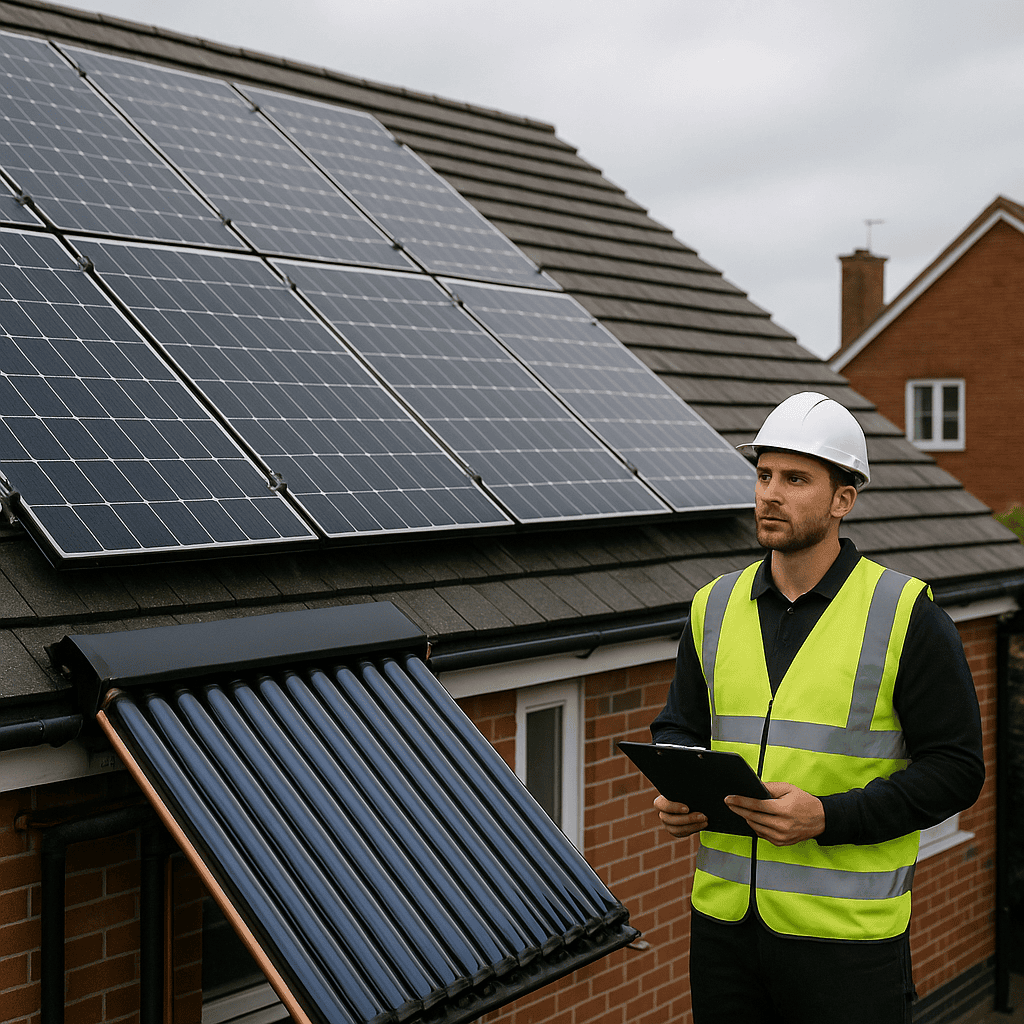
For photovoltaic (PV) solar panels, building regulations primarily focus on safety and structural integrity. Installations must be carried out by a certified professional to ensure the system is securely mounted and does not compromise the building’s structure. Additionally, considerations such as roof load, wind resistance, and fire safety are essential to comply with the regulations.
Solar thermal systems, which use the sun’s energy to heat water, may have different requirements. These systems often need to be assessed for their impact on plumbing and heating systems within the property. Proper insulation and integration into existing systems are crucial elements that regulations may address to ensure efficiency and safety.
It’s also worth noting that grants and schemes are available to assist homeowners in meeting these regulations and funding their solar projects. The UK government and local authorities often provide incentives to encourage the adoption of renewable energy solutions. Exploring these options can ease the financial burden and ensure compliance with relevant building standards.