
How does temperature impact the efficiency of solar panels in winter?
As the winter months approach, many wonder about the impact of temperature on the efficiency of solar panels. Contrary to popular belief, cooler temperatures can actually improve the performance of solar panels. The efficiency of solar panels is primarily influenced by sunlight exposure, but temperature also plays a significant role.
While it’s true that solar panels need sunlight to generate electricity, they perform better in cooler conditions. High temperatures can decrease the efficiency of photovoltaic cells, as excessive heat increases the resistance within the solar panel. Thus, during winter, when temperatures are lower, solar panels can operate more efficiently, provided they receive adequate sunlight.
It’s important to understand that solar panels rely on sunlight rather than heat to generate electricity. During winter, the days may be shorter, and the sun lower in the sky, which can reduce the overall sunlight exposure. However, the cooler temperatures help maintain the efficiency of the panels, as they reduce the thermal resistance that typically occurs in hotter conditions.
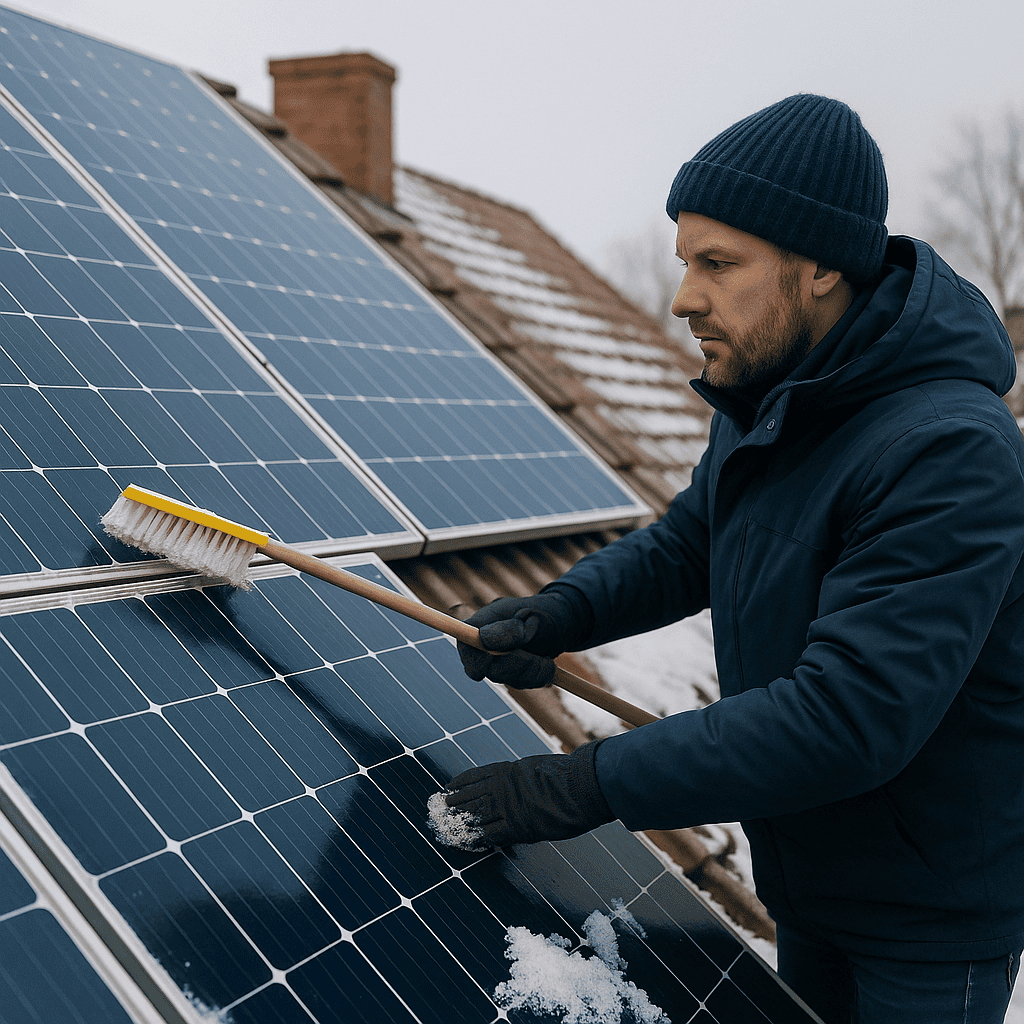
To optimise solar panel efficiency in winter, ensure that the panels are kept clean and free from snow, ice, or debris. Regular maintenance can prevent any obstructions that might hinder sunlight absorption. Additionally, the angle and orientation of the panels can be adjusted to maximise exposure to the available sunlight during the shorter days.
In conclusion, while the amount of sunlight is a crucial factor, the cooler temperatures of winter can benefit the overall efficiency of solar panels. By taking steps to maintain and optimise the positioning of your solar panels, you can ensure they perform effectively throughout the winter months.