
What are common myths about residential solar energy?
The adoption of residential solar energy has grown significantly, yet numerous myths persist, causing some homeowners to hesitate. These misconceptions can create confusion about the viability and benefits of solar power. Understanding the truth behind these myths is crucial for making informed decisions about solar energy investments.
Solar energy is an efficient and sustainable solution for reducing electricity bills and carbon footprints. However, myths regarding cost, efficiency, and reliability might deter potential users. By dispelling these myths, homeowners can appreciate the true potential of solar energy systems and make choices that align with their environmental and financial goals.
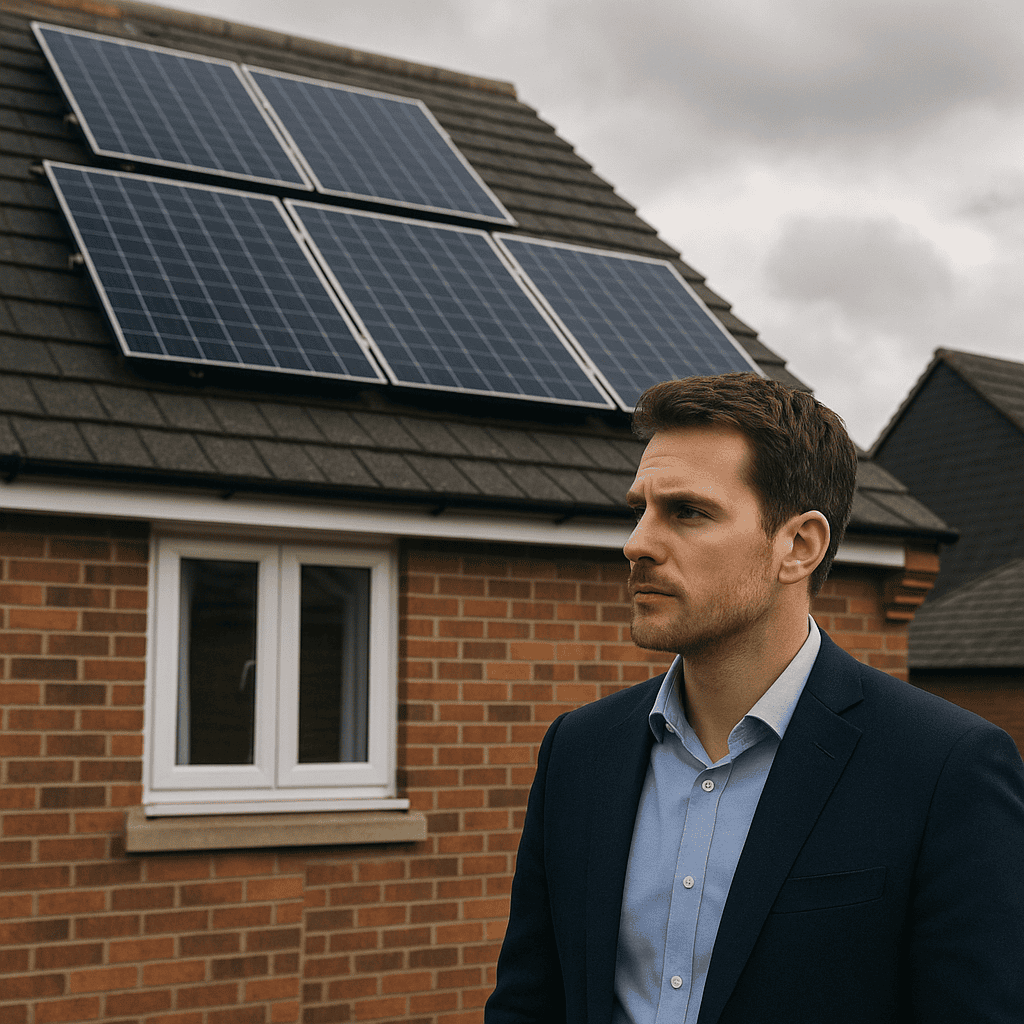
One prevalent myth is that solar panels are prohibitively expensive. While the initial investment can be substantial, the long-term savings on electricity bills often outweigh the upfront costs. Additionally, various financial incentives and schemes are available to help offset these expenses, making solar energy more accessible than ever before.
Another common misconception is that solar panels are ineffective in cloudy or cold climates. In reality, solar panels rely on light, not heat, to generate electricity. Many regions with less sunshine still benefit significantly from solar installations. Modern solar technology is designed to be efficient even in less-than-ideal weather conditions, ensuring reliable energy production year-round.
Lastly, some believe that solar panels require excessive maintenance. In truth, solar systems are designed to be durable and require minimal upkeep. Regular cleaning and occasional inspections are usually sufficient to maintain optimal performance. With proper care, solar panels can efficiently produce energy for decades, offering a sustainable and low-maintenance energy solution.
