
Is it true that solar panels only work in sunny climates?
It is a common misconception that solar panels are only effective in sunny climates. While it’s true that abundant sunlight can enhance energy production, solar panels are designed to function efficiently in a variety of weather conditions, including cloudy and overcast environments. This adaptability makes solar energy a viable option for many regions around the world, not just those with a sunny disposition.
In fact, solar panels work by converting light, not heat, into electricity. This means that even in cooler, less sunny climates, solar panels can still generate substantial amounts of energy. Countries with less sunshine, such as the UK and Germany, have successfully harnessed solar power, proving that solar panels are not limited to tropical or desert climates.
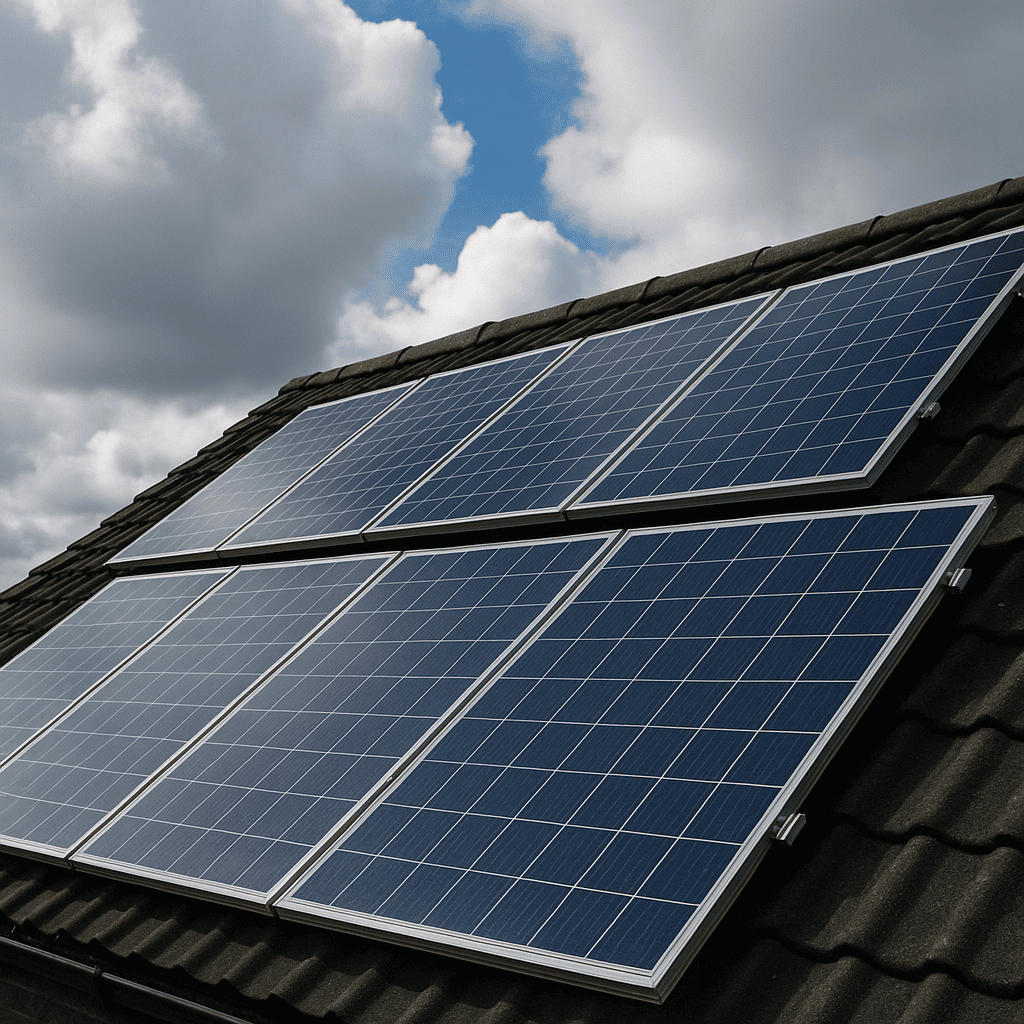
One of the key reasons solar panels are effective in various climates is their ability to capture diffuse sunlight. Even on cloudy days, the sun’s rays penetrate through the clouds, allowing solar panels to continue generating electricity, albeit at a reduced rate. This means that solar panels can still contribute to energy needs even when direct sunlight is scarce.
Moreover, solar panels can actually perform better in cooler temperatures. Excessive heat can reduce the efficiency of photovoltaic cells, so moderate climates can be advantageous. In colder regions, solar panels can often produce more energy than in hot, sunny areas, as long as there is sufficient sunlight.
Finally, advancements in solar technology have led to the development of more efficient panels that can capture a broader spectrum of light. This innovation means that even regions with less direct sunlight can benefit from solar energy. Thus, it is a myth that solar panels are only suitable for sunny climates; they are an adaptable and effective energy solution for a diverse range of environments.