
Top 3 things about solar energy
Understanding common misconceptions can help you make informed decisions about solar energy and its benefits.
Solar panels work in cloudy weather
Solar panels can generate electricity even on cloudy days, as they capture diffused sunlight. Their efficiency may decrease, but they still produce energy.
Solar energy saves money long-term
While the initial investment in solar panels can be high, they can significantly reduce energy bills over time and may increase property value.
Solar panels require minimal maintenance
Solar panels are designed to be durable and require little maintenance. Regular cleaning and occasional inspections are usually sufficient to ensure optimal performance.
Getting Started with Solar Energy
To begin exploring solar energy, the first step is to educate yourself about the various types of solar systems available. Familiarize yourself with solar photovoltaic (PV) panels and battery storage options, as these technologies can significantly enhance your energy efficiency. Research local regulations and incentives in the UK that may support your solar installation; understanding these can help you make informed decisions and maximize your savings.
Next, consider conducting a thorough assessment of your property to determine its suitability for solar panels. This includes evaluating roof orientation, shading, and available space. Engaging with a reputable renewable energy company can provide valuable insights through a free site assessment, ensuring you receive tailored recommendations for your specific needs. With a solid understanding of solar technology and a clear assessment of your property, you can confidently move forward in harnessing the benefits of solar energy.
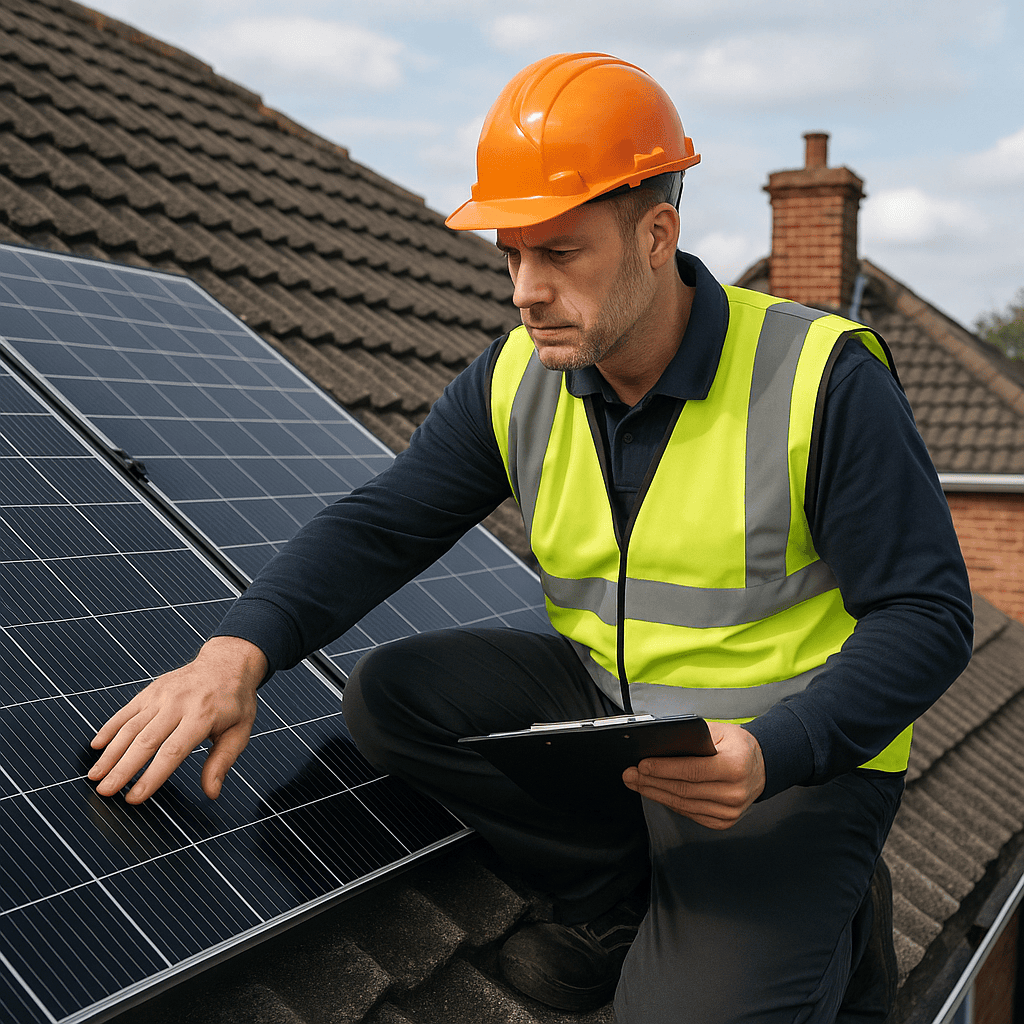
Exploring the Solar Installation Journey
Begin your solar journey with our free site assessment, where our experts evaluate your property’s suitability for solar panel installation. We consider factors such as roof orientation, shading, and available space to ensure optimal energy generation. Next, we move to the bespoke design phase, creating a tailored solar PV and battery storage system that meets your specific energy needs and maximizes savings.
Once the design is finalized, our certified professionals carry out a seamless installation, adhering to the highest safety standards and quality practices. As members of the Renewable Energy Consumer Code, we guarantee a transparent and efficient process. Our team handles all technical and regulatory aspects, ensuring your system is up and running smoothly.
After installation, we offer ongoing maintenance services to keep your solar system performing at its best. Regular check-ups and performance evaluations help maintain efficiency, allowing typical homeowners to save between £800–£1,200 annually on energy bills.
Top 5 Questions About Solar Energy Myths
What are common myths about residential solar energy?
Many believe solar panels are too expensive, ineffective in cloudy weather, or require constant maintenance. Others think they only work for large homes. In reality, solar energy is increasingly affordable, efficient in various conditions, and low-maintenance.
How does residential solar energy work in reality?
Residential solar energy systems convert sunlight into electricity using photovoltaic panels. These panels generate direct current (DC) electricity, which is then converted into alternating current (AC) by an inverter, making it usable for home appliances and reducing reliance on the grid.
What are the facts about the cost savings of solar panels for homes?
Solar panels can significantly reduce energy bills by generating your own electricity, leading to savings over time. Additionally, government incentives and rising energy prices can enhance these savings, making solar a financially viable option for many homeowners.
Is it true that solar panels only work in sunny climates?
Solar panels can generate electricity in various weather conditions, including cloudy days. While sunlight is essential for energy production, they can still function efficiently in less sunny climates, making them a viable option across the UK.
Can residential solar systems operate during power outages?
Residential solar systems typically do not operate during power outages unless equipped with a battery storage system or a special inverter. These systems can provide backup power by storing energy for use when the grid is down.