
What financial incentives are available for residential solar installations in terms of tax savings?
Exploring the financial incentives available for residential solar installations can significantly enhance the affordability and appeal of adopting solar energy. In the UK, several tax savings opportunities exist to encourage homeowners to invest in renewable energy solutions. Understanding these incentives not only helps in reducing the initial financial outlay but also contributes to long-term savings on energy bills.
Homeowners considering solar installations can benefit from reduced VAT rates and potential grants, making the transition to solar energy more financially viable. These incentives are designed to promote environmental sustainability by making it easier for individuals to contribute to a greener future. By taking advantage of these schemes, you can enjoy both immediate and long-term financial benefits.
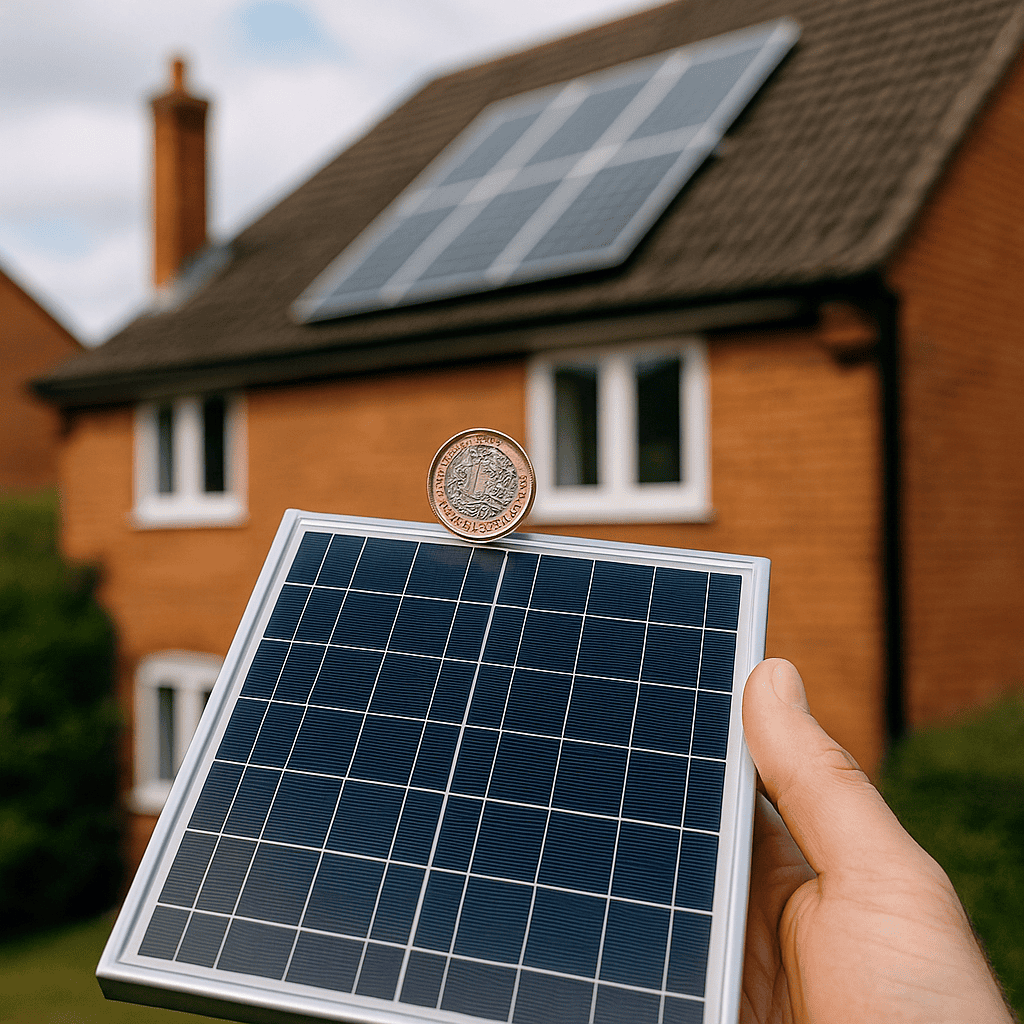
One of the primary financial incentives for residential solar installations in the UK is the reduced VAT rate. Typically, solar panels are eligible for a reduced VAT rate of 5%, which significantly lowers the upfront cost. This reduction makes it more affordable for homeowners to invest in solar technology and start reaping the benefits of renewable energy.
In addition to VAT savings, there are also potential grants and funding opportunities available. Various local and national schemes aim to support the installation of renewable energy systems, providing financial assistance to offset initial costs. These programmes are periodically updated, so it is advisable to check the current eligibility criteria and application processes to maximise your savings.
Moreover, the Smart Export Guarantee (SEG) scheme can offer further financial incentives. Under this scheme, homeowners can earn money by exporting surplus electricity generated by their solar panels back to the grid. This not only helps to recover installation costs over time but also contributes to lowering overall household energy expenses.