
How do solar panel savings compare to traditional energy costs over time?
Switching to solar energy presents a compelling opportunity to reduce your electricity bills over time. By comparing solar panel savings to traditional energy costs, you can gain a clearer understanding of the long-term financial benefits. Solar panels harness the sun’s free energy, offering a sustainable and cost-effective alternative to conventional power sources.
While the initial investment in solar technology might seem significant, the potential for savings is substantial. Over time, as energy prices continue to rise, the cost-effectiveness of solar panels becomes increasingly apparent. This transition not only supports environmental sustainability but also provides a reliable way to manage and reduce energy expenses.
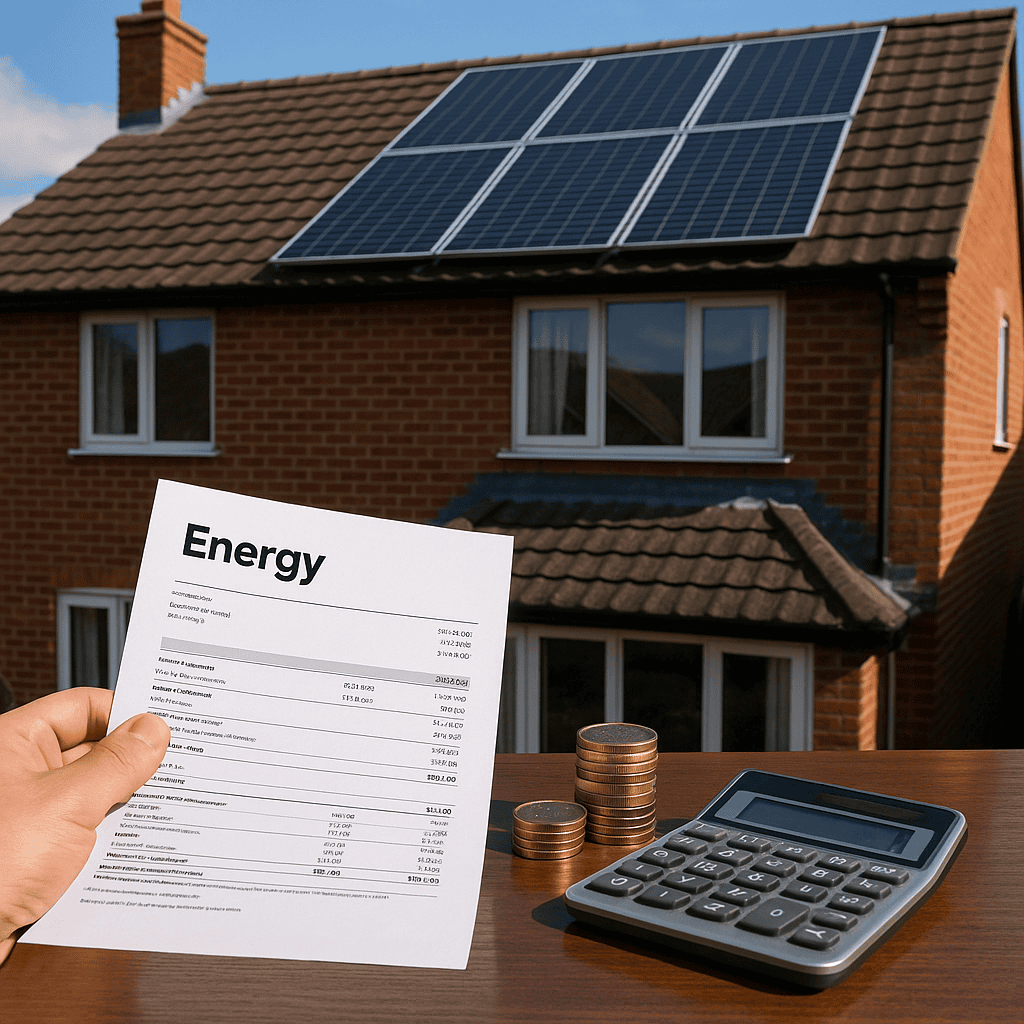
In the short term, the upfront costs of purchasing and installing solar panels can be daunting. However, many regions offer incentives and rebates that can significantly offset these initial expenses. Once installed, solar panels start generating electricity, reducing your reliance on traditional energy providers and subsequently lowering your monthly bills.
Over the long haul, the savings become even more pronounced. Traditional energy costs are subject to market fluctuations and tend to rise over time. In contrast, solar panels provide a stable, predictable source of energy that shields you from these increases. Moreover, the lifespan of solar panels can extend beyond 25 years, providing long-term savings well after the initial investment is recouped.
Additionally, by generating your own electricity, you may also benefit from selling excess energy back to the grid. This not only maximises your savings but also contributes to a more sustainable energy system. Ultimately, solar panels offer a practical and financially advantageous alternative to traditional energy sources.