
How Solar Panels Reduce Energy Costs
Solar panels are an effective way to significantly lower energy expenses while contributing to a sustainable future. By optimising their performance, especially in shaded areas, businesses can enjoy even greater savings on their energy bills.
Maximising Energy Efficiency
Solar panels convert sunlight into electricity, directly reducing reliance on grid power and lowering monthly energy costs for businesses.
Understanding Shade Impact
Shaded areas can hinder solar efficiency; however, strategic placement and technology can help mitigate these effects, ensuring optimal energy output.
Long-Term Financial Benefits
Investing in solar panels not only reduces immediate costs but also enhances long-term savings, making it a wise financial decision for any commercial enterprise.
Optimizing Solar Performance
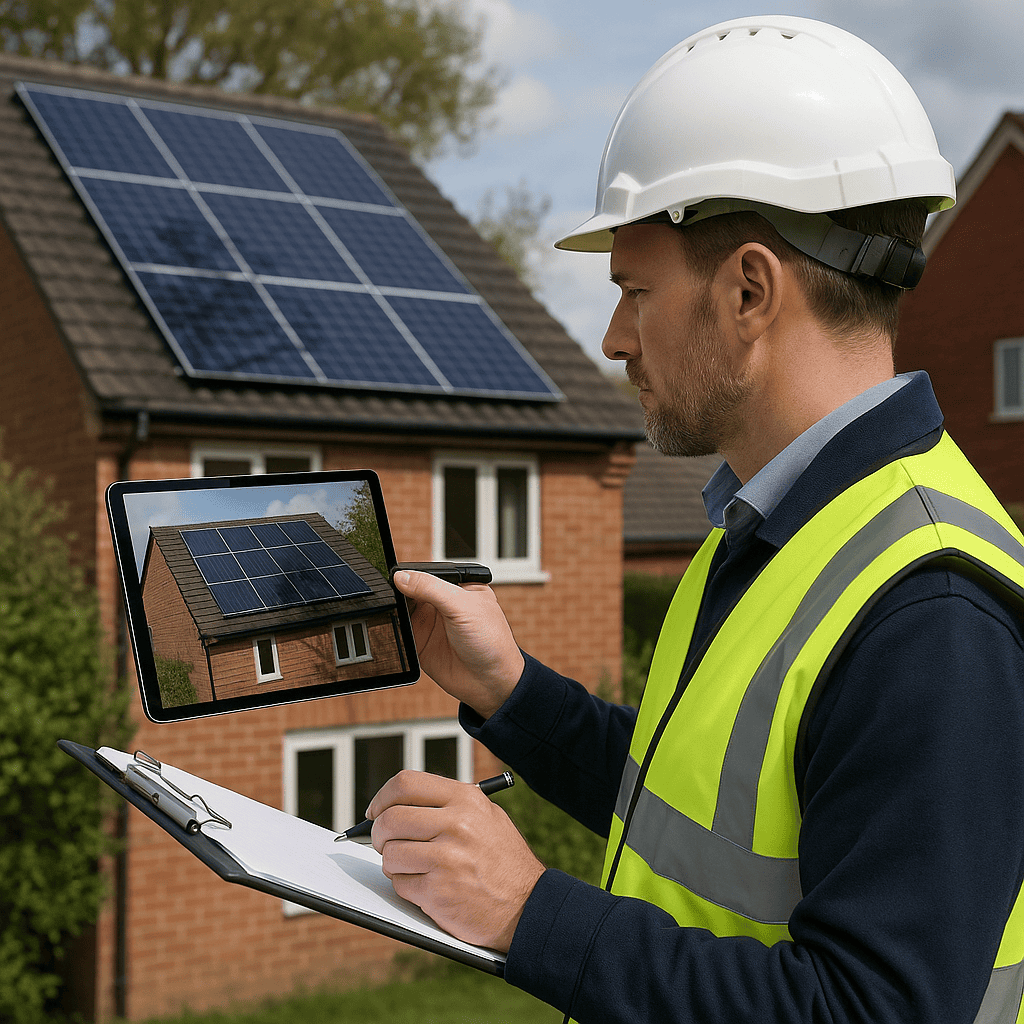
The process of optimizing solar performance begins with a comprehensive site assessment to evaluate shading and its impact on energy generation. Our experts conduct a detailed analysis, identifying potential obstructions such as trees, buildings, or other structures that may cast shadows on solar panels. This initial step is crucial for designing a system that maximizes sunlight exposure and enhances overall efficiency.
Following the assessment, our bespoke design phase ensures that your solar PV and battery storage systems are tailored to your specific site conditions. We utilize advanced software to simulate solar performance, allowing us to make informed decisions on panel placement and orientation. This precision in design contributes to optimal energy production and long-term savings on energy bills, potentially reaching £800–£1,200 annually.
Finally, our certified installation team ensures that all components are installed safely and to the highest quality standards. We are committed to ongoing maintenance and support, ensuring that your system continues to perform at its best. Our dedication to quality and adherence to the Renewable Energy Consumer Code provides peace of mind and sustainable energy solutions for homes and businesses across the UK.
Solar Shade
Proper shade management can boost solar panel efficiency by up to 30%, enhancing energy savings for your home.
Getting Started with Shade Optimization
To effectively optimize your solar PV system’s performance, begin by assessing the potential shade sources around your property. Trees, buildings, and even chimneys can cast unwanted shadows on your solar panels, reducing their efficiency. Use tools such as solar pathfinders or smartphone apps that can help you visualize solar exposure throughout the day and year.
Next, consider the layout and positioning of your solar panels during installation. A well-designed system takes into account any possible shading and positions the panels in the most advantageous locations. Regularly monitoring your system’s performance will also help identify any shading issues that may arise over time. By staying informed and proactive, you can ensure your solar energy system operates at peak performance, maximizing energy savings and contributing to your sustainability goals.
Top 3 things about Shade and Optimisation
Understanding how shade affects solar panel performance can enhance energy output and efficiency. Here are three key considerations for optimisation.
Impact of Shade on Output
Shade can significantly reduce solar panel output, as even partial shading can lead to a drop in energy production due to the series connection of cells.
Optimal Panel Placement
Positioning solar panels to maximise sunlight exposure is crucial. Avoid placing them near trees, buildings, or other structures that may cast shadows.
Utilising Shade Tolerance Technologies
Investing in shade-tolerant solar technologies, such as microinverters or power optimisers, can help mitigate losses caused by shading on individual panels.
Top 5 Questions About Shade Optimisation
What impact does shading have on solar panel performance and energy production?
Shading can significantly reduce solar panel performance and energy production by obstructing sunlight. Even partial shading can lead to decreased efficiency, as it affects the entire system's output. Ensuring panels are installed in unshaded areas optimises energy generation.
How can I optimize solar panel efficiency in shaded areas?
To enhance solar panel efficiency in shaded areas, consider using microinverters or power optimisers, which maximise output from individual panels. Regularly trim nearby vegetation and assess panel positioning to minimise shading throughout the day.
What troubleshooting steps can I take if my solar system is underperforming due to shading?
Check for any obstructions causing shading, such as trees or buildings, and consider trimming or relocating them. Ensure that panels are clean and free from debris. Additionally, inspect connections and inverter functionality to confirm they are operating correctly.
What are the best solutions for minimizing shading on solar installations?
To minimise shading on solar installations, ensure panels are installed in unobstructed areas, regularly maintain surrounding vegetation, and consider using solar panel optimisers or microinverters to enhance performance in partially shaded conditions.
How do different types of shading affect the overall costs of solar technology?
Different shading types can significantly impact solar technology costs by reducing energy output and efficiency. Increased shading may necessitate larger or additional solar installations, leading to higher upfront expenses and potentially affecting long-term savings on energy bills.