
What are common issues with solar monitoring apps and how can they be resolved?
Solar monitoring apps are integral tools for individuals and businesses looking to optimise their solar energy systems. However, users often encounter a range of issues that can hinder their ability to effectively track and manage energy production. Understanding these common problems is essential for improving the functionality and reliability of solar monitoring solutions.
Despite their advanced capabilities, solar monitoring apps can sometimes present challenges such as data inaccuracies, connectivity issues, and software bugs. These problems can lead to incorrect energy readings and inefficiencies in system management. By addressing these issues with practical solutions, users can enhance their experience and ensure their solar systems operate at peak efficiency.
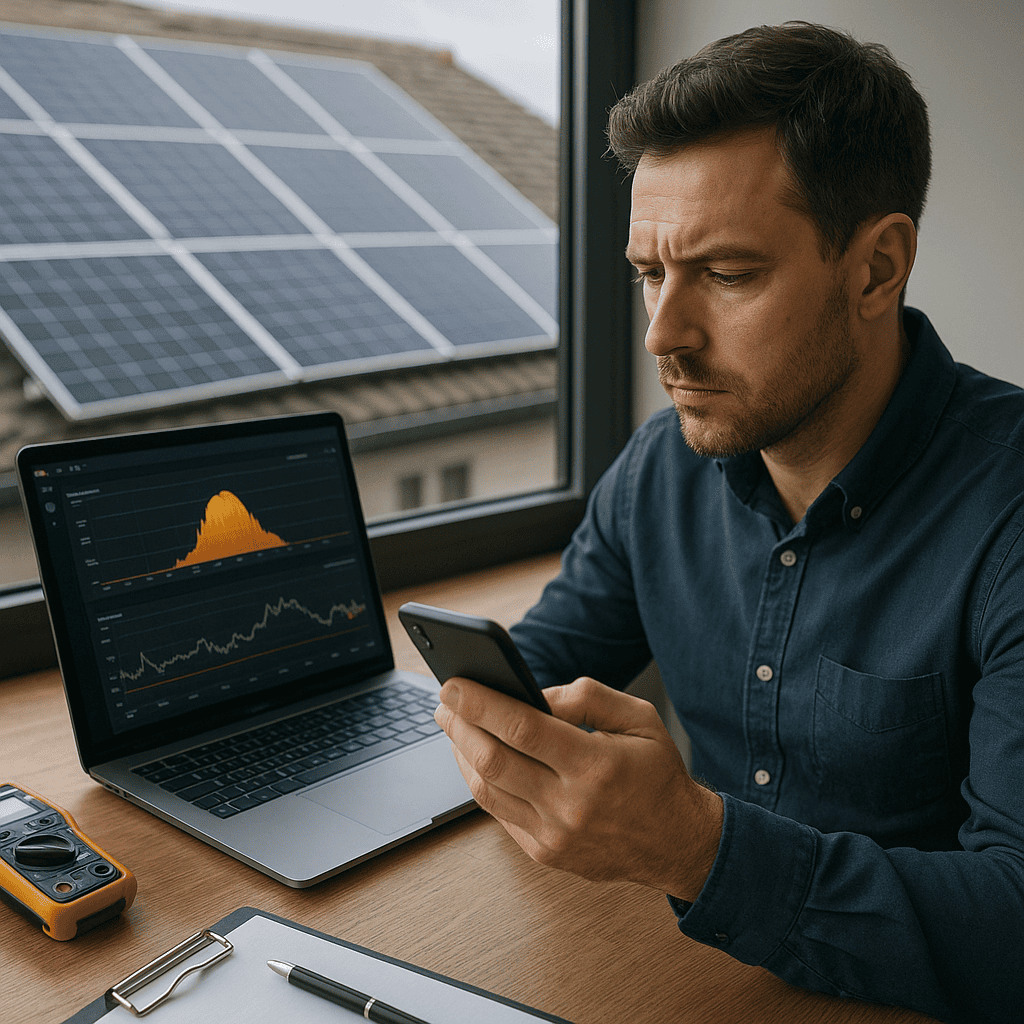
A frequent issue with solar monitoring apps is data inaccuracy, which can stem from sensor malfunctions or software glitches. Regular maintenance and calibration of sensors can help mitigate this problem, ensuring that data readings remain precise. Additionally, keeping the app updated with the latest software versions can resolve many glitches that contribute to inaccuracies.
Connectivity problems, particularly with apps that rely on Wi-Fi or mobile networks, can disrupt real-time monitoring. Ensuring a stable and strong internet connection is crucial for the uninterrupted performance of these apps. Users may consider investing in signal boosters or choosing apps with offline capabilities to reduce reliance on constant connectivity.
Software bugs and user interface issues can also detract from the user experience. Providing feedback to developers can be an effective way to address these concerns. Many app developers are responsive to user input and can implement updates to improve functionality and usability, ensuring a smoother and more reliable monitoring experience.
