
What performance issues can affect the charging of solar batteries?
Solar battery charging is a crucial component of any solar power system, ensuring that the energy harnessed from the sun is effectively stored for later use. However, several performance issues can hinder the efficient charging of solar batteries. Understanding these issues is essential for maintaining optimal functionality and prolonging the lifespan of your solar power system.
Common factors that can affect the charging performance include environmental conditions, battery health, and system design. For instance, extreme temperatures can reduce charging efficiency, while improper battery maintenance can lead to decreased capacity. Additionally, the configuration of your solar setup plays a significant role in how well the batteries charge, making it vital to ensure all components are compatible and correctly installed.
One of the primary performance issues is the impact of environmental conditions. Solar batteries are sensitive to temperature fluctuations; extreme heat can cause overheating, while cold temperatures can limit the battery’s ability to charge fully. It is important to ensure that batteries are stored in a controlled environment to minimise these effects.
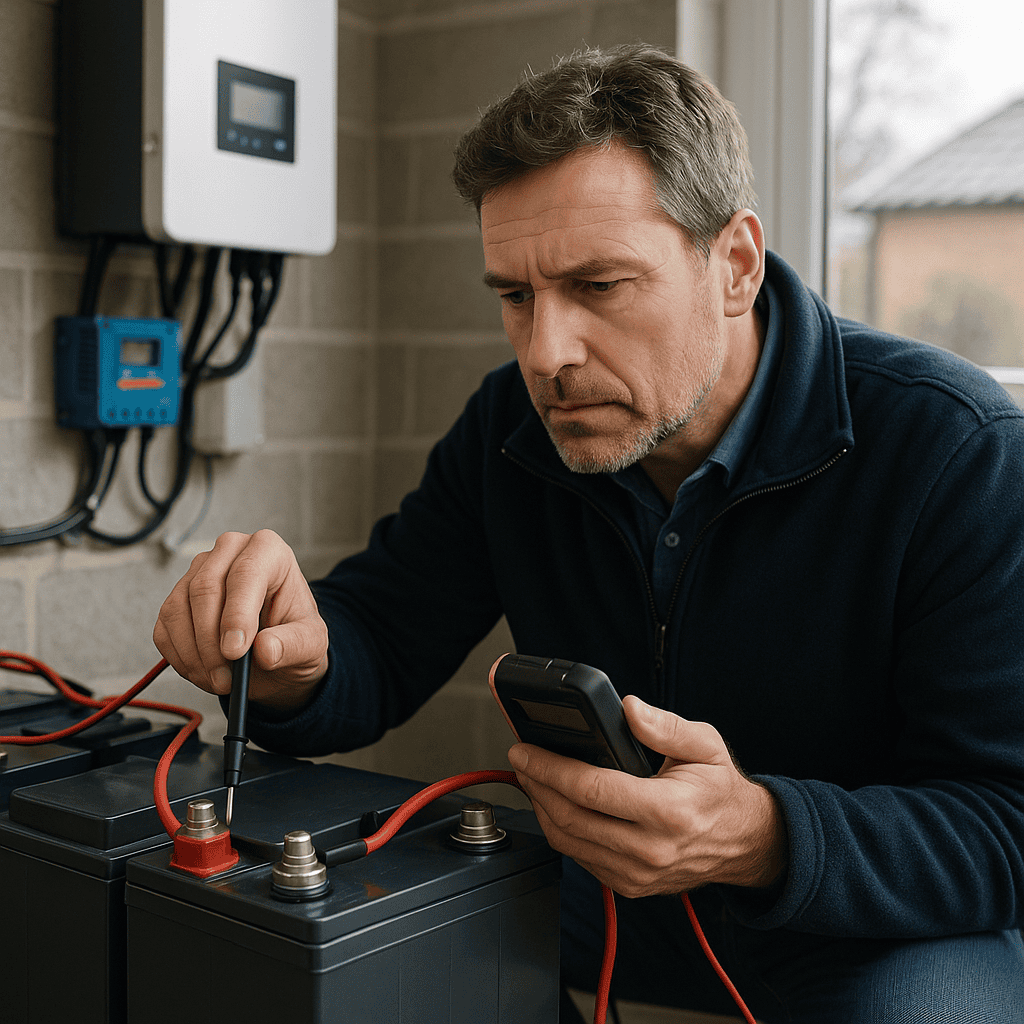
Another significant factor is the health and maintenance of the batteries themselves. Over time, batteries can degrade, reducing their ability to hold a charge. Regular maintenance, including cleaning terminals and ensuring proper electrolyte levels, can help mitigate this issue and extend battery life.
Lastly, the design and installation of the solar power system can greatly influence charging efficiency. Ensuring that all components, such as charge controllers and inverters, are correctly sized and installed is crucial. A mismatch in system components can lead to inefficient charging and potential damage to the batteries, highlighting the importance of professional installation and regular system checks.