
What is the average efficiency rate of solar panels today?
Solar panel efficiency has seen significant advancements in recent years, making it a crucial factor for those considering renewable energy solutions. As of today, the average efficiency rate of solar panels typically ranges between 15% and 20%. This means that a standard panel can convert 15% to 20% of the sunlight it captures into usable electricity. While this may seem modest, it represents a substantial improvement over earlier models.
Understanding these efficiency rates is essential for anyone looking to invest in solar technology. Higher efficiency panels can generate more electricity from the same amount of sunlight, which can translate into greater energy savings and a quicker return on investment. By choosing panels with higher efficiency, users can maximise their energy production even in limited space or less-than-ideal weather conditions.
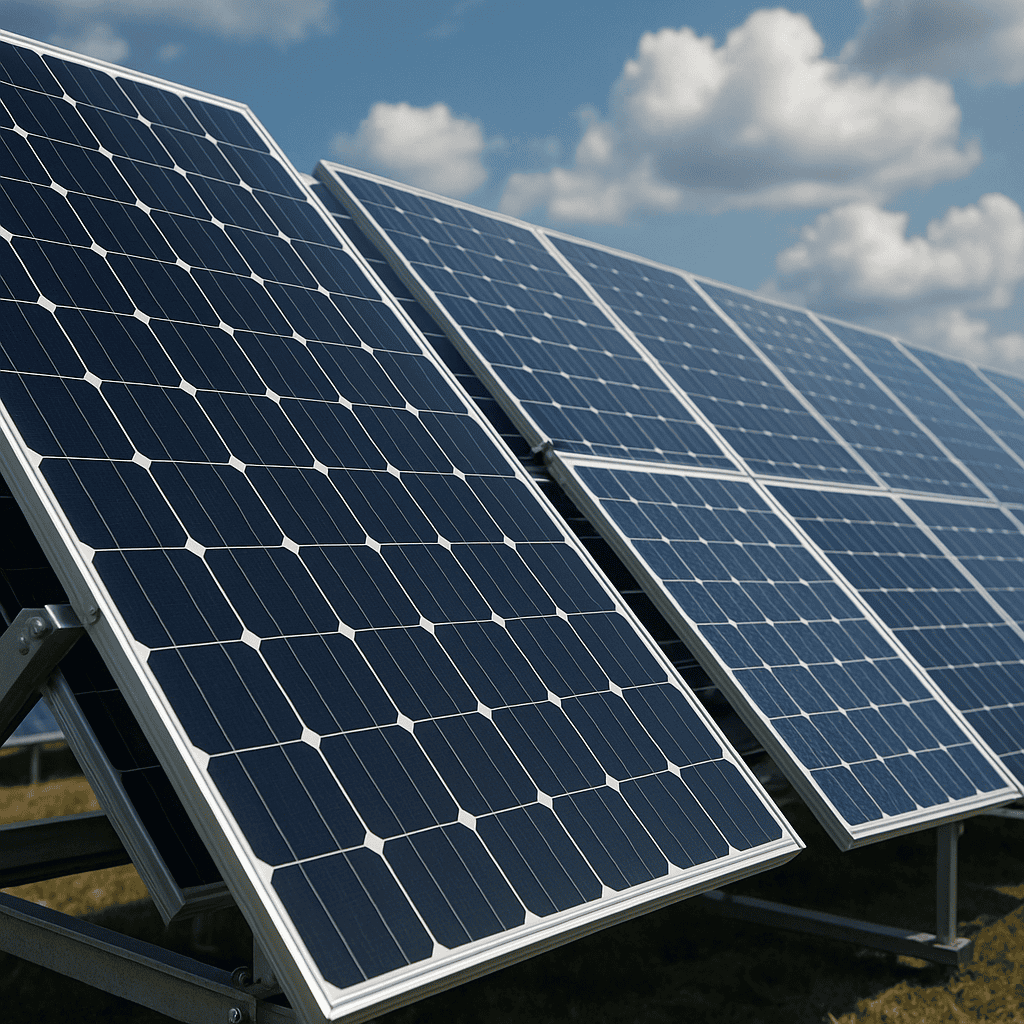
Solar panel efficiency is determined by the materials used and the technology employed in their construction. Most modern panels utilise silicon-based cells, which have become increasingly efficient due to advancements in photovoltaic technology. Monocrystalline panels, for instance, often provide the highest efficiency, while polycrystalline panels offer a more cost-effective option with slightly lower efficiency rates.
The efficiency of a solar panel directly impacts its performance and, consequently, the overall cost-effectiveness of a solar energy system. Higher efficiency panels tend to be more expensive, but they can produce more electricity over their lifetime, potentially reducing energy bills and providing a faster payback period. This balance between cost and efficiency is a key consideration for many when selecting solar panels.
In addition to efficiency, other factors such as location, orientation, and shading can affect the overall performance of a solar panel system. Therefore, it is advisable to consider these elements along with the efficiency rate to ensure optimal energy production. By doing so, individuals can make informed decisions that align with both their energy needs and financial goals.