
How do different types of solar panels compare in terms of efficiency?
When considering solar panels, efficiency is a key factor that influences both performance and cost-effectiveness. Different types of solar panels offer varying levels of efficiency, which refers to the amount of sunlight converted into usable electricity. Understanding these differences can help you make an informed decision about which type best suits your energy needs.
Monocrystalline, polycrystalline, and thin-film are the primary types of solar panels available, each with distinct efficiency levels. Monocrystalline panels generally offer the highest efficiency due to their pure silicon composition, while polycrystalline panels provide a more budget-friendly option with slightly lower efficiency. Thin-film panels, though less efficient, are lightweight and versatile, making them suitable for unconventional applications.
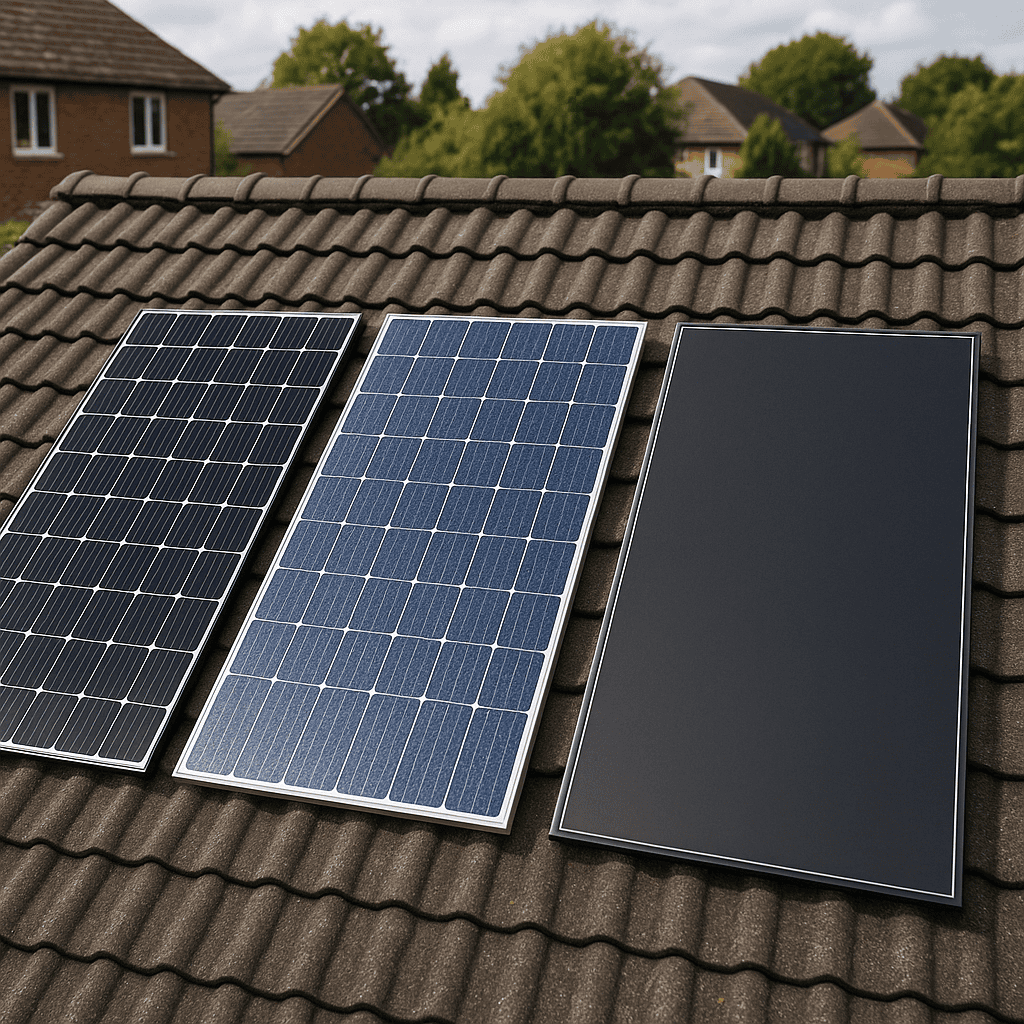
Monocrystalline solar panels are renowned for their high efficiency, typically ranging between 15% and 20%. Their single-crystal silicon structure allows for a more efficient flow of electricity, making them ideal for areas with limited space where maximising power output is crucial. However, this efficiency comes at a higher cost, which might not be ideal for all budgets.
Polycrystalline panels, on the other hand, offer efficiency levels of around 13% to 16%. These panels are constructed from multiple silicon crystals, making them less efficient than monocrystalline panels but more affordable. They serve as a practical choice for larger installations where space is not a constraint and cost savings are a priority.
Thin-film solar panels, while generally less efficient with rates between 10% and 12%, offer unique advantages in terms of flexibility and weight. Their adaptability makes them suitable for unconventional surfaces and applications where traditional panels may not be feasible. However, to match the output of crystalline panels, a larger surface area is often required, which could be a consideration depending on your available space.