
What are common misconceptions about solar technology and its costs?
Solar technology has become increasingly popular as a sustainable energy solution, yet several misconceptions persist about its functionality and costs. Many individuals assume that solar panels require constant sunlight to generate energy, which is not the case. Solar technology can efficiently harness energy even on cloudy days, although the output may be lower than on sunny days.
Another common misconception revolves around the costs associated with solar technology. While the initial investment can be substantial, many overlook the long-term savings on energy bills and the potential financial incentives available. These factors often make solar technology a more affordable option over time than initially perceived.
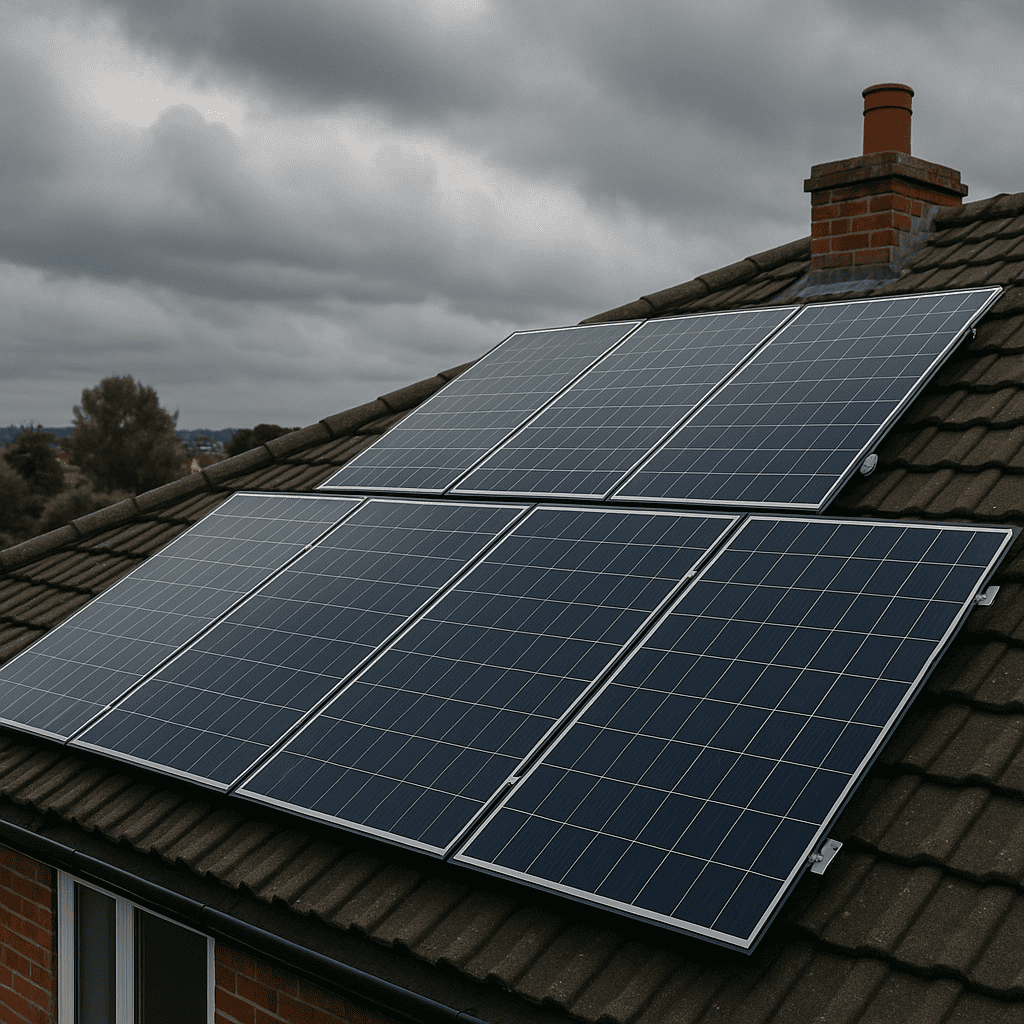
One prevalent misunderstanding is that solar panels are ineffective in regions with less sunshine. In reality, solar technology is designed to work efficiently even in areas with variable weather conditions. Advances in technology have enabled solar panels to capture diffused sunlight, meaning they can still produce energy on overcast days.
Another misconception is that the maintenance of solar panels is costly and time-consuming. In truth, solar panels require minimal maintenance, primarily consisting of periodic cleaning and inspections. Most systems are designed to be durable and can last for decades with little upkeep.
Finally, many people believe that solar technology is prohibitively expensive. However, when considering the decreasing costs of solar panels and the availability of government incentives, the financial barrier is not as high as it once was. Over time, the savings on energy bills often outweigh the initial costs, making solar technology an economically viable option for many households.