
What is the expected lifespan of solar panels considering degradation rates?
Solar panels are a long-term investment in sustainable energy, but understanding their lifespan is crucial for maximising their benefits. Generally, solar panels are expected to last between 25 to 30 years. However, their efficiency diminishes over time due to degradation rates, which typically average around 0.5% to 1% per year. This gradual reduction in performance is a natural part of solar technology’s lifecycle.
As solar panels age, their ability to convert sunlight into electricity decreases slightly each year. Despite this, most panels still operate at about 80% of their original efficiency after 25 years. Advances in technology and manufacturing processes continually improve the longevity and durability of solar panels, making them a reliable choice for long-term energy solutions.
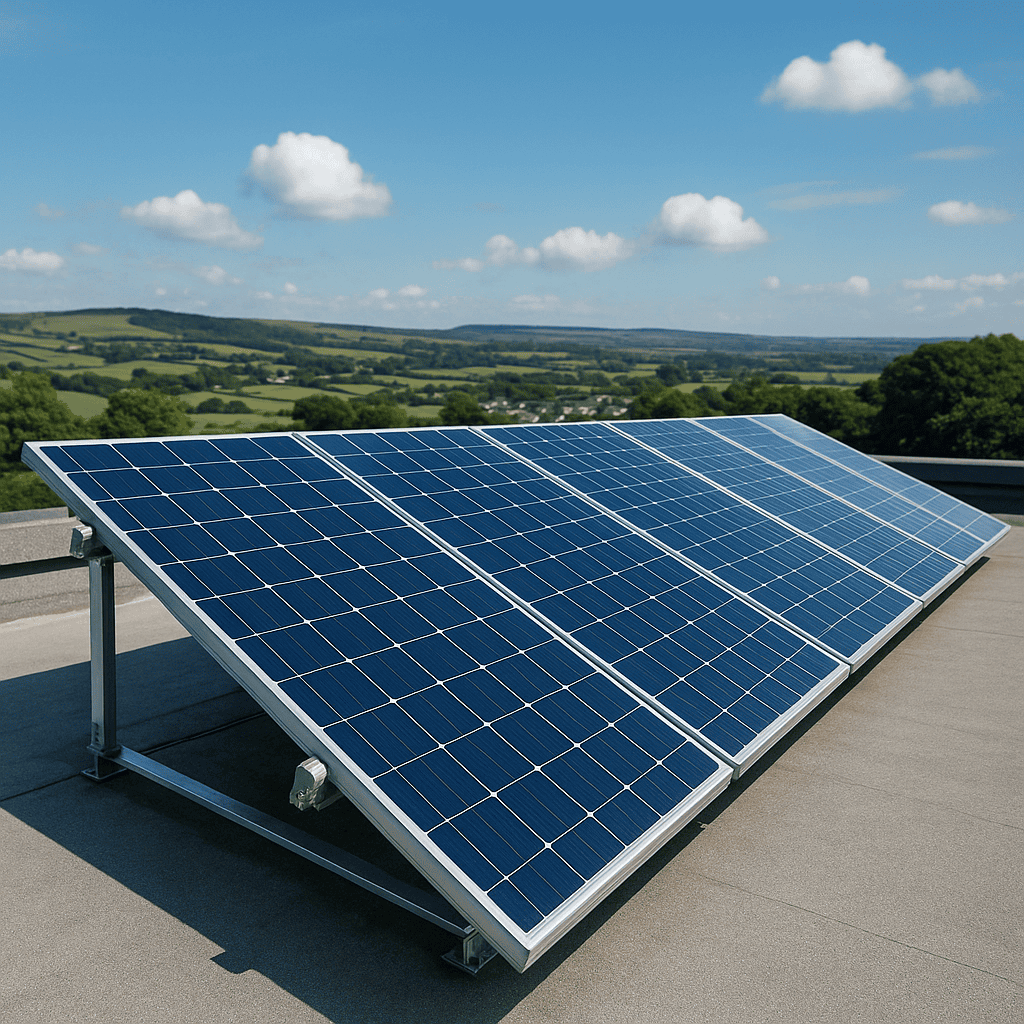
The expected lifespan of solar panels is influenced by their degradation rates, which reflect the annual decrease in energy output. Modern solar panels are designed to degrade at a slower pace, often losing only 0.5% to 1% of their efficiency per year. This means that after 25 years, a solar panel might still produce around 80% of the energy it generated when new.
Several factors contribute to the degradation rates of solar panels, including environmental conditions and the quality of the materials used. Panels exposed to harsh weather or extreme temperatures might experience higher degradation rates. Conversely, those made from high-quality materials and installed in favourable conditions tend to have lower rates of efficiency loss.
To ensure solar panels achieve their maximum lifespan, regular maintenance and monitoring are essential. By keeping panels clean and checking for physical damage, owners can help maintain their efficiency. Additionally, technology improvements continue to enhance panel resilience, promising even longer lifespans in the future.