
How Solar Panels Reduce Energy Costs
Solar panels are an effective solution for businesses looking to minimise energy expenses. By harnessing renewable energy, companies can significantly reduce their reliance on traditional energy sources, leading to substantial savings over time.
Lower Energy Bills
Solar panels generate electricity from sunlight, allowing businesses to offset their energy consumption and lower monthly utility bills. This reduction in energy costs can enhance overall profitability.
Long-Term Savings
Investing in solar technology offers long-term financial benefits, as solar panels typically have a lifespan of 25 years or more, providing consistent savings throughout their operational life.
Incentives and Rebates
Many businesses can take advantage of government incentives and rebates for solar panel installation, further reducing initial costs and enhancing the return on investment.
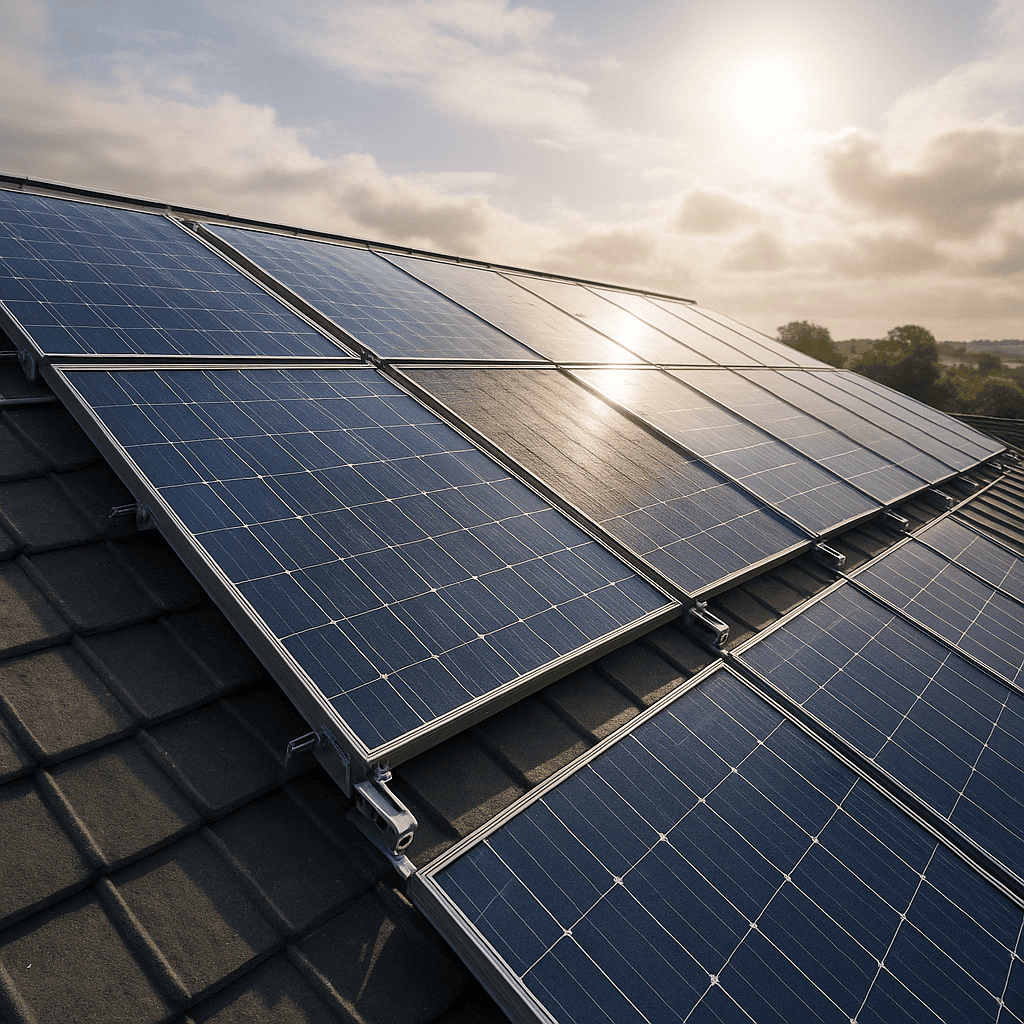
Exploring Solar Degradation Rates
Solar panels are a reliable source of renewable energy, but like all technologies, they experience performance decline over time, known as solar degradation. The degradation rate refers to the pace at which solar panels lose efficiency. On average, modern solar panels degrade at a rate of about 0.5% per year, meaning that after 20 years, they will still operate at approximately 90% of their original capacity. Understanding these rates is crucial for predicting energy output and financial savings over the lifespan of a solar installation.
Factors influencing solar degradation include the quality of materials, environmental conditions, and maintenance practices. High-quality panels tend to degrade more slowly, while harsh environmental conditions such as extreme weather can accelerate the process. Regular maintenance, which the company provides as part of its service, can mitigate these effects, ensuring panels perform optimally for as long as possible.
For UK homeowners and businesses, considering solar degradation rates is essential when investing in solar technology. Despite the gradual decrease in efficiency, the long-term benefits, including significant energy savings and reduced carbon footprint, outweigh the downsides. With the company’s expertise in bespoke design and certified installation, clients can optimize their solar systems for maximum efficiency and longevity.
Solar Longevity
Solar panels lose only about 0.5% efficiency per year, ensuring decades of sustainable energy production.
Understanding Solar Degradation Rates
To get started with understanding solar degradation rates, it’s essential to familiarize yourself with the concept of how solar panels lose efficiency over time. Typically, solar panels are designed to degrade at a rate of about 0.5% to 1% per year, meaning that after 25 years, they will still be generating a significant portion of their original output. Researching the specific warranties and performance guarantees offered by different manufacturers can provide insights into how various panels compare regarding longevity and efficiency.
Additionally, consider monitoring the performance of your solar system over time. Keeping track of energy output and comparing it to expected values can help identify potential issues early on. Engaging with professionals who can conduct regular maintenance checks will also ensure that your solar installation operates at peak performance, ultimately maximizing your investment in renewable energy.
Top 3 things about Solar Degradation Rates
Understanding solar degradation rates is essential for assessing solar panel longevity and performance over time.
Definition of Degradation Rates
Solar degradation rates refer to the annual reduction in a solar panel's energy output, typically expressed as a percentage of its original capacity.
Average Degradation Rates
Most solar panels experience degradation rates of about 0.5% to 1% per year, impacting overall energy production over their lifespan.
Factors Influencing Degradation
Environmental factors like temperature, humidity, and UV exposure, as well as manufacturing quality, significantly influence the degradation rates of solar panels.
Top 5 Questions About Solar Degradation Rates
What are the typical solar degradation rates for photovoltaic panels?
Typical solar degradation rates for photovoltaic panels range from 0.5% to 1% per year. Most panels retain at least 80% of their original efficiency after 25 years, although this can vary based on the panel type and environmental conditions.
How does solar panel degradation impact energy efficiency over time?
Solar panel degradation refers to the gradual decline in energy output over time, typically around 0.5% to 1% per year. This reduction affects overall energy efficiency, meaning panels produce less electricity as they age, impacting long-term performance and savings.
What factors influence the degradation rates of solar technology?
Degradation rates of solar technology are influenced by factors such as material quality, environmental conditions, temperature fluctuations, humidity, and exposure to UV radiation. Regular maintenance and optimal installation can also help mitigate degradation over time.
How can homeowners mitigate the effects of solar panel degradation?
Homeowners can mitigate solar panel degradation by ensuring regular maintenance, keeping panels clean, monitoring performance, and investing in high-quality products with lower degradation rates. Additionally, installing panels at optimal angles can enhance efficiency and longevity.
What is the expected lifespan of solar panels considering degradation rates?
Solar panels typically have a lifespan of 25 to 30 years, with an average degradation rate of about 0.5% to 1% per year. This means they retain around 80-90% of their original efficiency by the end of their expected lifespan.