
What factors influence the efficiency of PV versus solar thermal systems?
When considering the efficiency of photovoltaic (PV) versus solar thermal systems, a variety of factors come into play. These two solar technologies, while both harnessing the power of the sun, do so in distinct ways, leading to differences in their efficiency and applicability. Understanding these differences is crucial for making informed decisions about which system best suits your energy needs.
PV systems convert sunlight directly into electricity using semiconductor materials, whereas solar thermal systems capture solar energy to heat a fluid, which can then be used for heating or to generate electricity. The efficiency of each system is influenced by factors such as location, climate, and intended application. By analysing these elements, one can determine the most suitable solar solution for their specific circumstances.
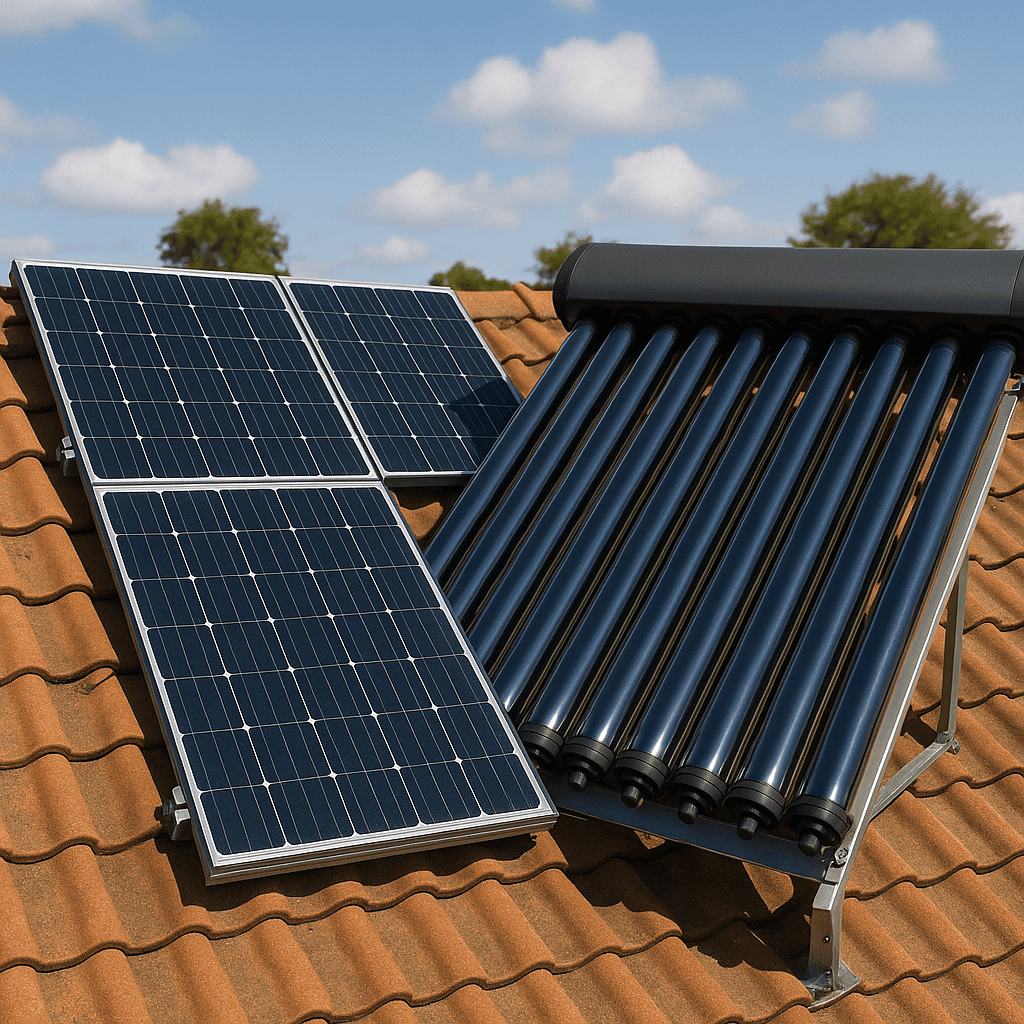
One primary factor influencing the efficiency of PV systems is the quality of the solar cells themselves. Advances in technology have led to various types of cells, such as monocrystalline and polycrystalline, each offering different efficiency levels. Additionally, the angle and orientation of the solar panels significantly impact the amount of sunlight captured, thus affecting overall efficiency.
For solar thermal systems, the efficiency is largely determined by the design and materials used in the collectors. Flat-plate collectors and evacuated tube collectors are common types, each with distinct advantages depending on the climate and specific application. The system’s ability to store heat and maintain thermal energy also plays a critical role in its efficiency.
Ultimately, the choice between PV and solar thermal systems should consider the specific energy needs, available space, and local environmental conditions. By carefully evaluating these factors, individuals and businesses can optimise their solar energy investments, ensuring they achieve the desired balance of efficiency and cost-effectiveness.
