
How do solar system sizes affect overall costs?
When considering the installation of a solar energy system, one of the key factors influencing the overall cost is the size of the system itself. Larger systems generally require more solar panels and additional equipment, which can increase the initial investment. However, they also have the potential to generate more electricity, potentially leading to greater savings on energy bills over time.
Understanding the balance between system size and cost is crucial for making an informed decision. Smaller systems might be more affordable upfront but could fall short in meeting energy needs, while larger systems, although more expensive, may offer better long-term value.
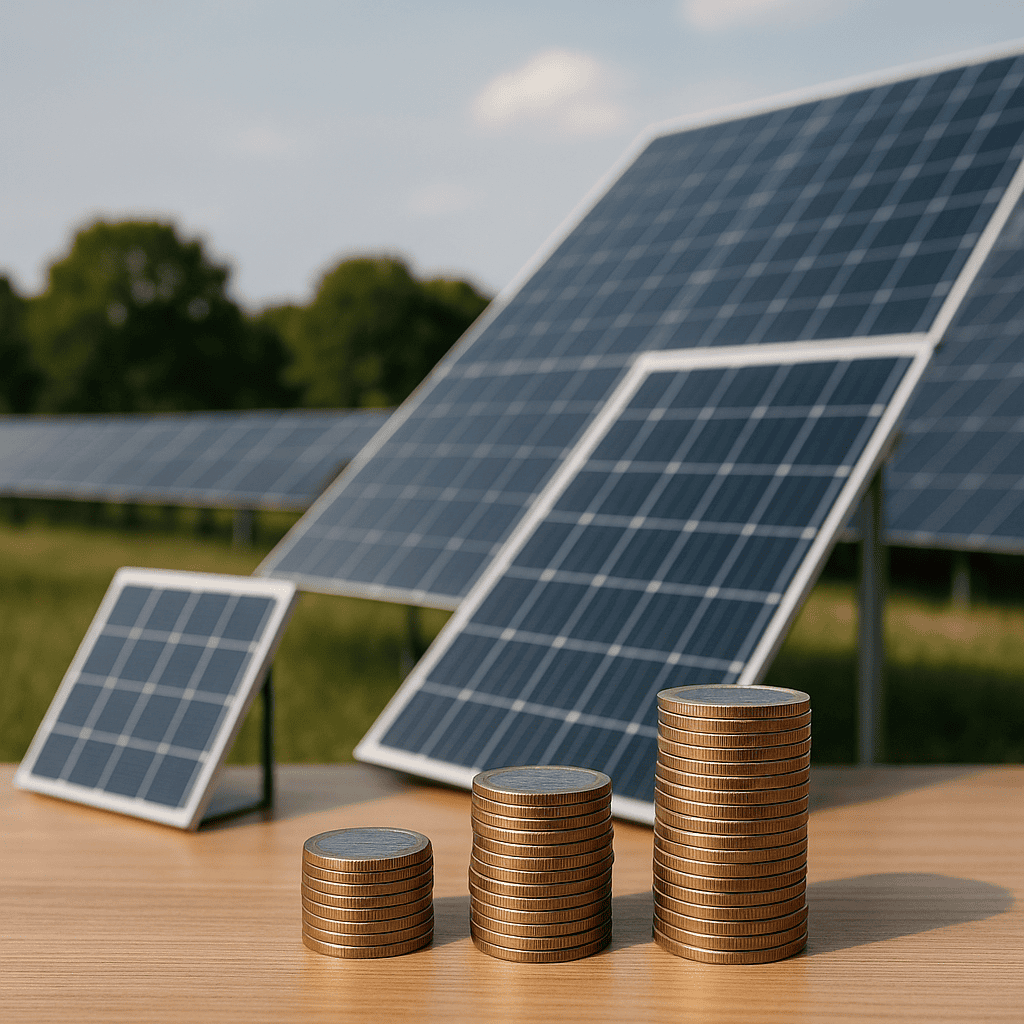
The size of a solar system is typically measured in kilowatts (kW), and this capacity directly impacts both the installation costs and the potential energy output. Larger systems, such as those exceeding 5 kW, often incur higher installation costs due to the increased number of panels and the need for more robust infrastructure. However, these systems can produce more electricity, which can significantly offset energy costs over the lifespan of the system.
Conversely, smaller systems, often ranging from 1 to 3 kW, are less expensive to install and might be ideal for households with lower energy consumption or limited roof space. While the initial costs are lower, these systems might not generate enough electricity to cover all energy needs, which can result in continued reliance on grid electricity and higher long-term energy expenses.
In addition to the size, other factors such as location, energy requirements, and available incentives also play a critical role in the overall cost-effectiveness of a solar system. It’s important to assess these elements in conjunction with system size to ensure the chosen setup aligns with both budgetary constraints and energy goals. By doing so, one can achieve a balance between upfront costs and long-term savings.
