
What factors influence the cost of solar technology installations?
When considering solar technology installations, several factors can influence the overall cost. Understanding these elements can help you make informed decisions and potentially save money in the long run. From the type of solar panels to the complexity of the installation, each aspect plays a crucial role in determining the final price.
Location is another significant factor, as it affects both the efficiency of the solar system and the installation costs. Additionally, the size of the installation, government incentives, and the choice of installer can all impact the financial outlay. By exploring these factors, you can better anticipate the costs involved and make a well-rounded decision.
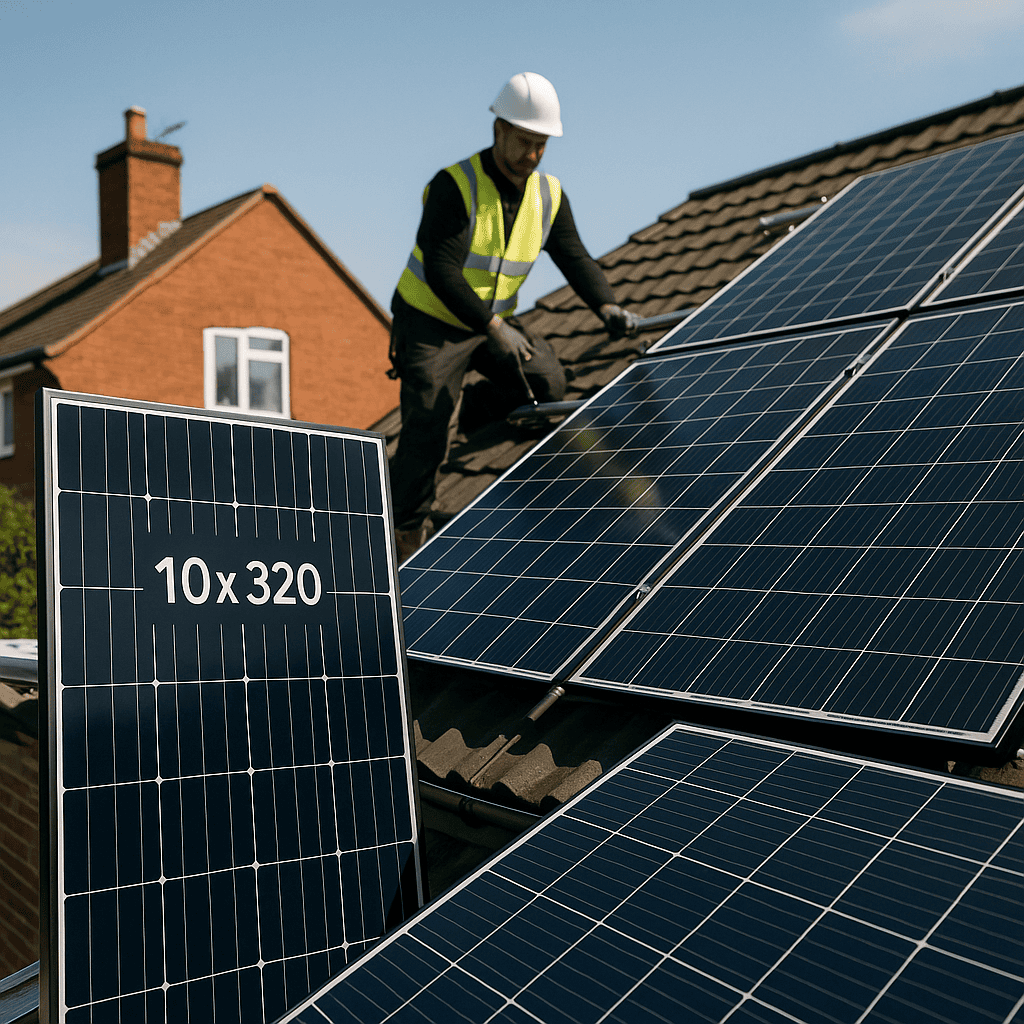
The type and quality of solar panels chosen can significantly affect the cost. High-efficiency panels may come at a higher price but offer better performance and longevity. Conversely, opting for less efficient, more affordable panels might reduce initial costs but could lead to higher expenses over time due to lower energy generation.
Installation complexity is another vital factor. A straightforward installation on a simple roof structure will generally be less expensive than a complex one involving multiple roof angles or additional structural work. The more intricate the installation, the longer it may take, potentially increasing labour costs.
Government incentives and rebates can also play a pivotal role in reducing the overall cost of solar installations. Many regions offer financial incentives to encourage the adoption of renewable energy, which can substantially decrease the initial investment. Researching available programmes in your area can provide significant savings and make solar technology more accessible.