
What factors influence the cost of solar panels in the UK?
The cost of solar panels in the UK is influenced by several key factors, each playing a crucial role in determining the final price. Understanding these factors can help you make informed decisions when considering solar energy for your home or business. From the size and type of the solar panel system to the specific installation requirements, various elements contribute to the overall cost.
Additionally, geographical location, government incentives, and the quality of materials used can also impact the cost. By exploring these factors, you can gain a clearer picture of what to expect when budgeting for solar panels, ensuring you achieve the best balance between cost and efficiency.
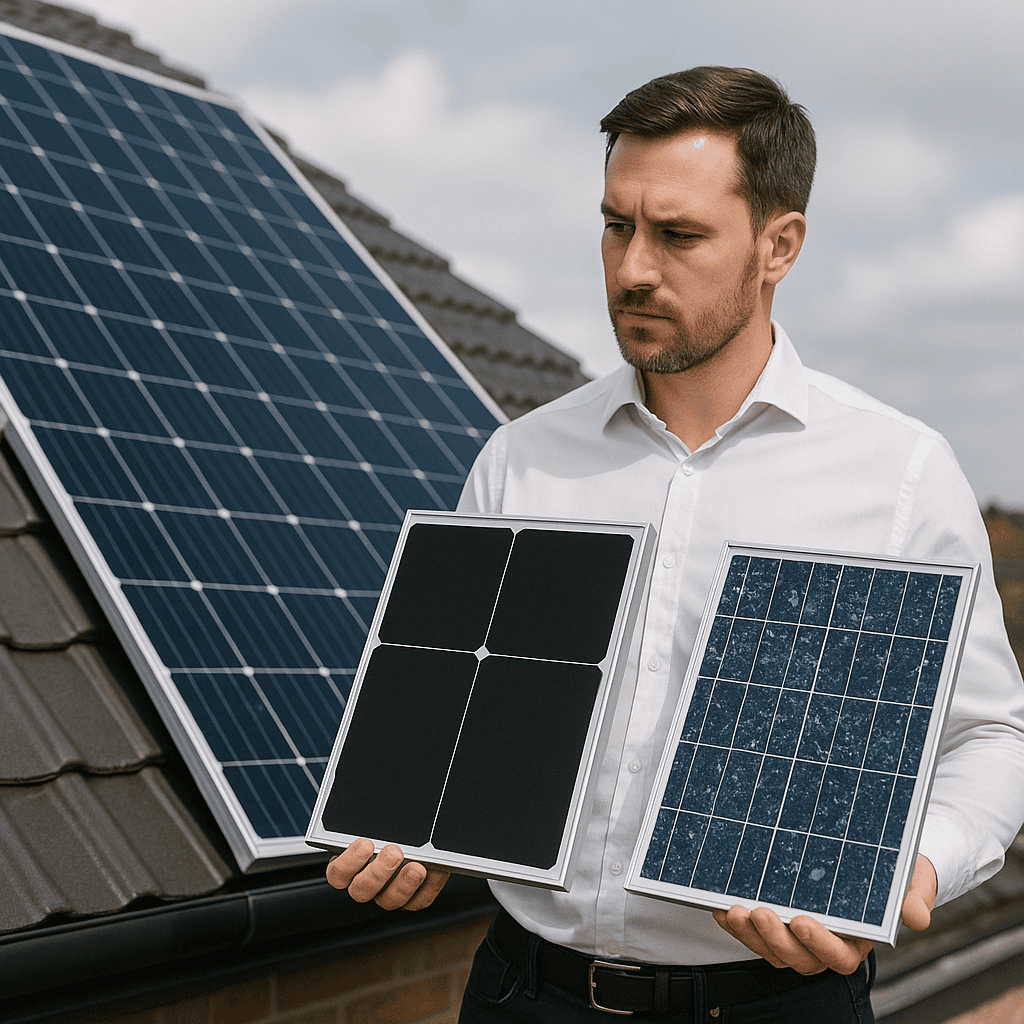
The size of the solar panel system is one of the most significant factors affecting cost. Larger systems, which generate more electricity, tend to be more expensive due to the increased number of panels and additional installation requirements. However, they can offer greater long-term savings by reducing energy bills more substantially.
Another crucial factor is the type of solar panels chosen. There are different technologies available, such as monocrystalline, polycrystalline, and thin-film panels, each with varying efficiencies and price points. Monocrystalline panels, for instance, are typically more efficient but come at a higher cost compared to other types.
Installation complexity also influences the cost. Factors such as roof type, angle, and accessibility can affect installation time and labour costs. A straightforward installation on a flat, easy-to-access roof will generally be less expensive than one requiring specialised equipment or additional structural work. Understanding these factors allows you to better estimate the potential costs and benefits of solar panels for your property.