
What is kWp and how does it relate to solar energy systems?
kWp, or kilowatt peak, is a term commonly used in the solar energy industry to denote the maximum power output of a solar panel system under optimal conditions. It is a standard measure that helps in comparing the performance and efficiency of different solar panels. Understanding kWp is crucial for anyone considering investing in solar energy, as it directly impacts the system’s ability to generate electricity.
When evaluating solar energy systems, kWp serves as a benchmark for potential energy production. It reflects the system’s capacity to harness solar power effectively. By understanding kWp, you can better assess how much electricity a solar installation might produce, which is essential for calculating potential savings on energy bills and the environmental benefits of reducing reliance on non-renewable energy sources.
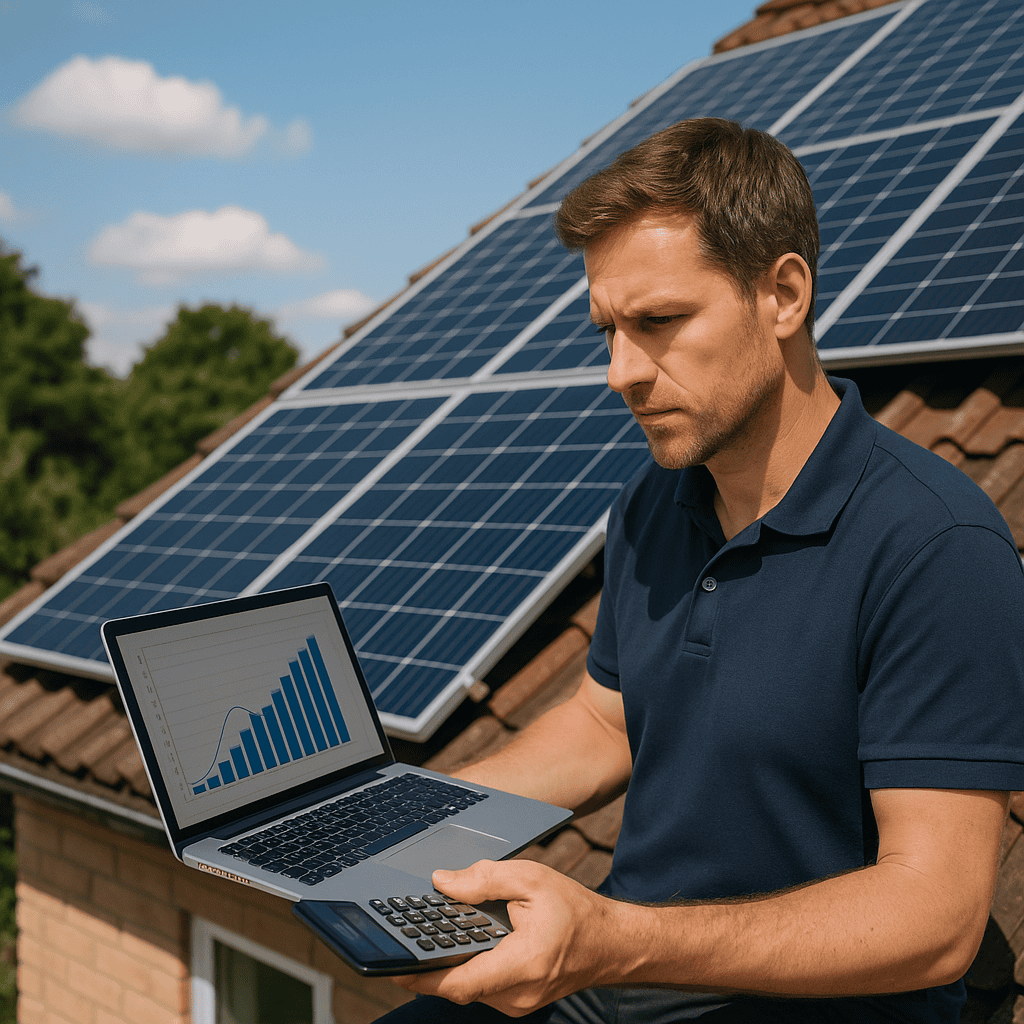
kWp represents the peak power output of a solar panel system when exposed to ideal sunlight conditions, typically around midday on a clear day. This measurement is crucial because it provides a standardised method to compare different solar panels and systems, ensuring consumers can make informed decisions based on efficiency and cost-effectiveness. The higher the kWp rating, the more electricity the system can potentially generate.
While kWp indicates the potential maximum output, actual electricity generation can vary due to factors such as geographic location, shading, and panel orientation. Therefore, while kWp is an important metric, it should be considered alongside other elements like energy needs and site-specific conditions to determine the most suitable solar solution.
For those exploring solar energy options, using calculators that incorporate kWp values can aid in estimating potential energy production and financial savings. These tools often consider local variables, offering a more tailored insight into what you might expect from your investment in solar technology. Understanding kWp helps demystify the process and empowers consumers to make educated decisions about their energy future.