
How do different rail system designs impact the performance of solar energy systems?
The design of rail systems can significantly influence the performance and efficiency of solar energy installations. By carefully considering the type and configuration of rail systems, one can optimise the angle and orientation of solar panels, thereby maximising energy capture and overall system productivity.
Moreover, rail systems are integral to the durability and maintenance of solar panels. A well-designed rail system not only ensures structural stability but also facilitates ease of access for cleaning and repairs, which are crucial for maintaining optimal energy output over time. As such, understanding the impact of different rail system designs is essential for anyone looking to invest in solar energy solutions.
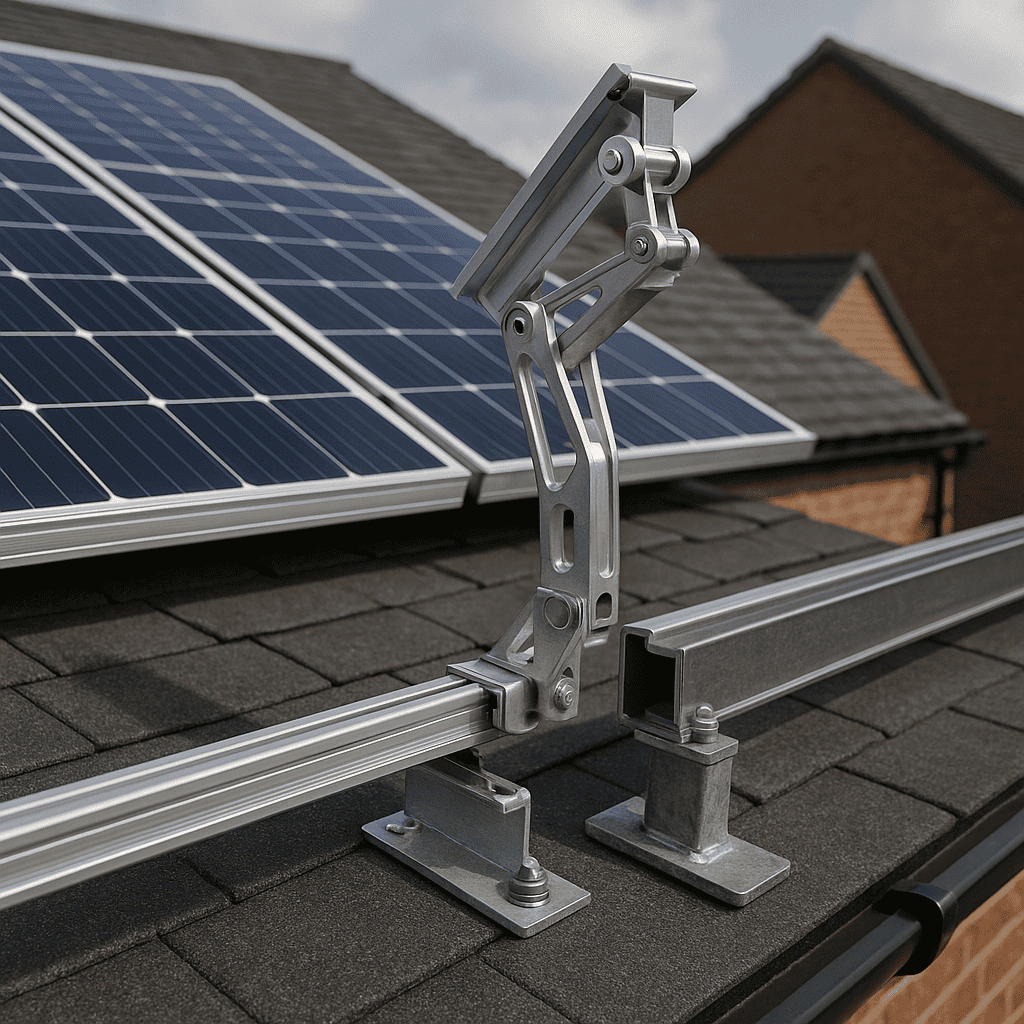
The type of rail system used in a solar energy installation can greatly affect the system’s performance. Fixed rail systems, for example, offer stability and are often more cost-effective, but they limit the ability to adjust the panels to changing sun angles throughout the year. In contrast, adjustable rail systems allow for seasonal angle adjustments, potentially increasing energy yield but at a higher initial cost and complexity.
Furthermore, the materials used in rail system construction can also impact performance. Aluminium is commonly used due to its light weight and corrosion resistance, which are essential for maintaining the integrity of the solar installation over time. However, steel rail systems, while heavier, can offer greater strength and durability, particularly in harsh weather conditions.
Lastly, the method of mounting—whether ground-mounted or roof-mounted—affects both the rail system design and the performance of the solar energy system. Ground-mounted systems generally allow for more flexible rail designs that can optimise panel orientation, while roof-mounted systems must be carefully designed to fit the structural constraints of the building, which can impact energy capture efficiency.