
How Solar Panels Reduce Energy Costs
Solar panels offer a cost-effective solution for businesses seeking to reduce energy expenses. By harnessing solar energy, companies can significantly lower their utility bills while contributing to a sustainable future.
The Financial Benefits of Solar Energy
Investing in solar panels can lead to substantial reductions in energy costs, enhancing overall profitability for businesses of all sizes.
Long-Term Savings Through Energy Independence
By generating their own electricity, businesses can shield themselves from fluctuating energy prices, ensuring more predictable and manageable operating costs.
Impact of Rail Systems on Solar Installations
Efficient rail systems facilitate the optimal positioning of solar panels, maximising energy capture and thereby enhancing cost savings for commercial enterprises.
The Installation Journey
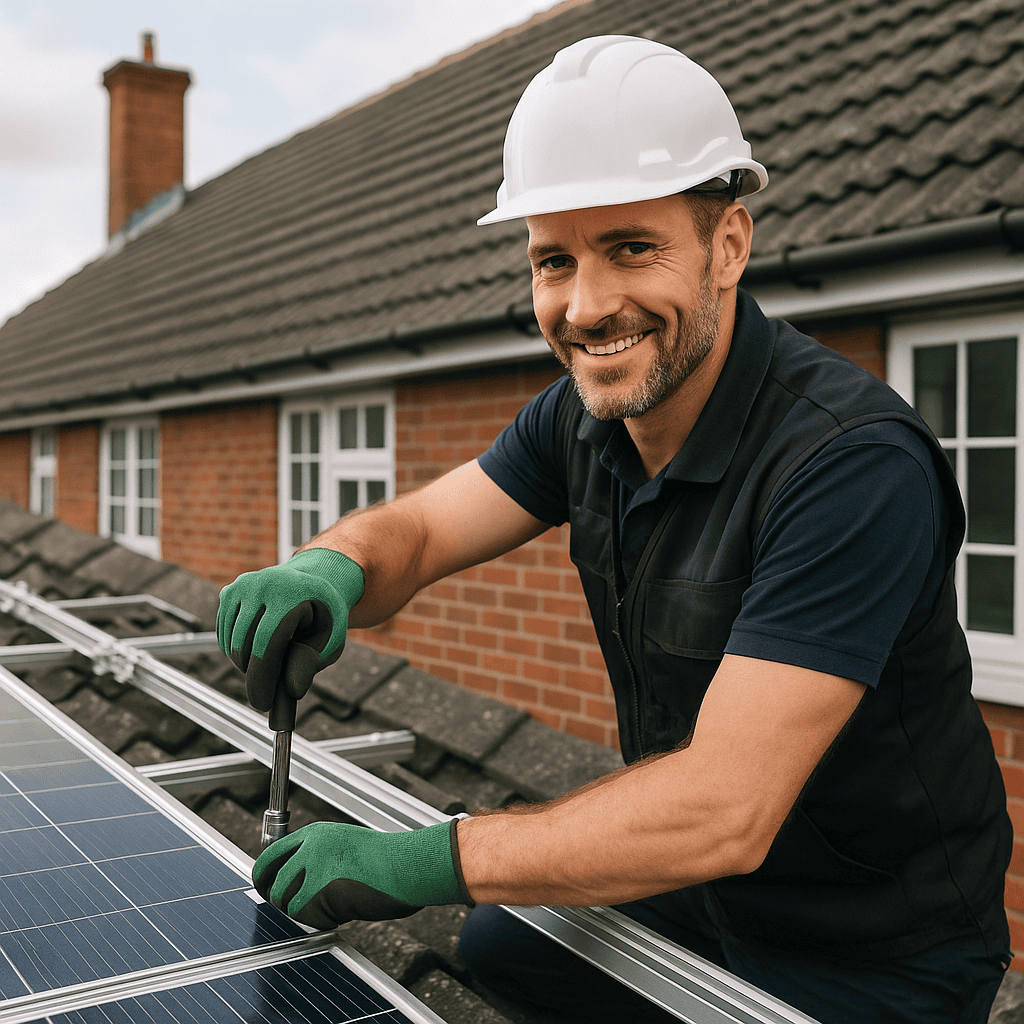
The process of implementing a rail system for solar PV begins with a comprehensive site assessment. During this stage, our team of experts evaluates the structural integrity of your roof and determines the optimal placement for the solar panels, ensuring both efficiency and safety. This personalized assessment is crucial for designing a system that meets your specific energy needs while adhering to local building regulations and the Renewable Energy Consumer Code standards.
Following the assessment, our skilled engineers craft a bespoke design tailored to your property. This design phase involves selecting the appropriate mounting and rail systems that will support the solar panels effectively, considering factors such as roof angle, material, and sun exposure. Our commitment to high-quality work ensures that the components used are durable and capable of withstanding the UK climate.
Once the design is finalized, our certified installation team commences the setup. They carefully install the rail systems, ensuring each component is securely fastened and aligned to maximize solar energy capture. After installation, we provide ongoing maintenance services to ensure your system operates efficiently, enabling typical homeowners to save between £800 and £1,200 annually on energy bills. This end-to-end service guarantees a seamless transition to renewable energy for homes and businesses alike.
Solar Rail Systems
Rail systems securely support solar panels, ensuring optimal sunlight exposure and energy efficiency for homes and businesses.
Getting Started with Rail Systems for Solar Installations
To begin exploring rail systems for your solar PV installation, first, assess the specific needs of your rooftop. Consider the type of roofing material, the angle of the roof, and the available space. Each of these factors can influence the choice of rail system, as different designs offer varying levels of support and durability. A proper evaluation can help determine the most suitable rail system that maximizes energy production while ensuring the integrity of your home.
Next, familiarize yourself with the different rail system options available. Fixed rail systems, for instance, provide a stable platform, while adjustable systems offer flexibility for different roof angles. Understanding these options will enable you to make informed decisions about which system aligns best with your solar goals. Continue reading to discover the intricate details of each rail type and how they contribute to the efficiency and longevity of your solar energy system.
Top 3 things about Rail Systems
Rail systems are crucial for mounting solar panels effectively. Understanding their design, materials, and installation can enhance performance and longevity.
Types of Rail Systems
There are various types of rail systems, including fixed, adjustable, and tracking systems, each designed for specific installation requirements and site conditions.
Material Considerations
Rail systems are typically made from aluminium or stainless steel, chosen for their durability, resistance to corrosion, and lightweight properties, ensuring long-term performance.
Installation Best Practices
Proper installation of rail systems involves ensuring level alignment, secure fastening, and adherence to manufacturer guidelines to optimise solar panel efficiency and safety.
Top 5 Questions About Mounting and Roof Systems
What are the key benefits of using rail systems for solar panel mounting?
Rail systems provide enhanced structural stability, ease of installation, and flexibility in panel arrangement. They facilitate efficient water drainage, reduce wind uplift, and allow for future system expansion, making them a practical choice for solar panel mounting.
How do rail systems compare to other solar mounting options in terms of cost and efficiency?
Rail systems typically offer a cost-effective solution for solar mounting, providing efficient installation and structural support. Compared to other options, they balance affordability with performance, ensuring optimal energy capture while maintaining durability and ease of maintenance.
What factors should be considered when selecting rail systems for solar installations?
Consider the roof type, structural integrity, local weather conditions, and the solar panel specifications. Additionally, ensure compatibility with existing systems, ease of installation, and maintenance requirements to optimise performance and longevity of the solar installation.
How do different rail system designs impact the performance of solar energy systems?
Different rail system designs influence the structural integrity, installation efficiency, and angle of solar panels, ultimately affecting energy capture and overall system performance. Optimised designs ensure better durability and alignment, maximising energy output throughout the solar system's lifespan.
What maintenance practices are recommended for rail systems in solar installations?
Regular inspections should be conducted to check for corrosion, loose connections, and structural integrity. Clean the rails to remove debris and ensure proper drainage. Additionally, verify that all mounting hardware is secure and functioning correctly to maintain optimal performance.