
How can flat roof mounting systems optimize solar panel performance?
Flat roof mounting systems play a crucial role in enhancing the performance of solar panels. By providing the optimal angle and orientation, these systems ensure maximum exposure to sunlight, thereby increasing energy efficiency. This is particularly important in regions where sunlight can be inconsistent or where roof space is limited.
Moreover, flat roof mounting systems are designed to be adaptable and versatile, allowing for easy adjustments as needed. This adaptability means that your solar panels can maintain peak performance throughout the year, regardless of seasonal changes or varying weather conditions.
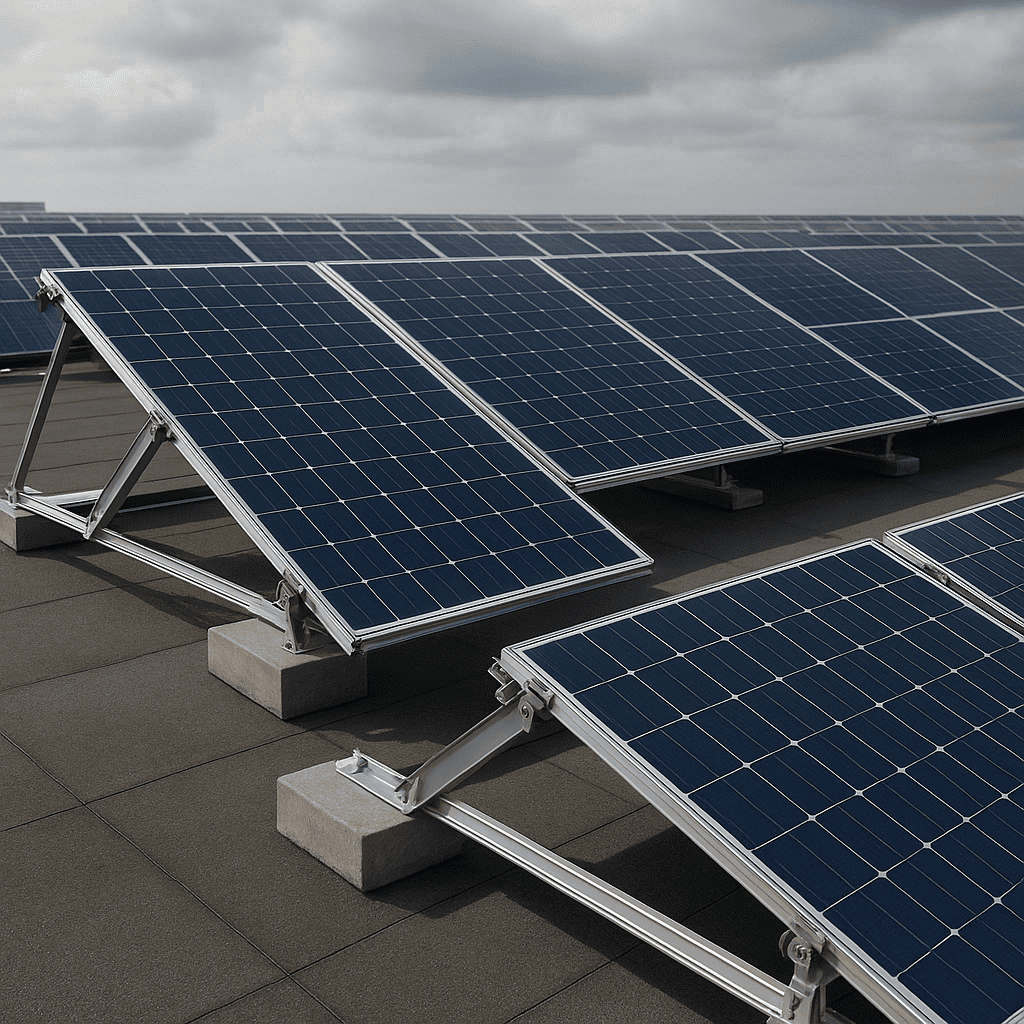
One of the primary ways flat roof mounting systems optimise solar panel performance is by allowing for the precise tilt and orientation of panels. This ensures that the panels capture the maximum amount of sunlight throughout the day, significantly boosting their energy output. The ability to adjust the angle of the panels to suit specific geographical locations and seasonal sun paths is a key advantage.
Additionally, flat roof mounting systems often utilise ballast-based designs, which reduce the need for roof penetrations. This minimises potential damage to the roof structure and maintains its integrity, providing a stable and secure base for the panels. Such systems are lightweight yet robust, ensuring that the panels remain in place even during adverse weather conditions.
Furthermore, these systems are often designed for easy maintenance and accessibility. This means that regular cleaning and any necessary adjustments can be performed with minimal effort, ensuring the panels remain efficient and effective over their lifespan. By facilitating straightforward upkeep, flat roof mounting systems help sustain optimal solar panel performance and maximise return on investment.