
What factors influence the cost of ballasted solar mounting systems?
Ballasted solar mounting systems are a popular choice for rooftop solar installations, particularly on flat roofs. These systems rely on weight rather than roof penetrations to secure the solar panels, making them an attractive option for many building owners. However, the cost of these systems can vary significantly due to a variety of factors.
Understanding the elements that influence the cost of ballasted solar mounting systems is essential for making informed decisions. Factors such as the type of materials used, the complexity of the roof design, and regional labour costs all play a crucial role in determining the overall expense. By exploring these aspects, you can gain a clearer picture of what drives the costs and how to manage them effectively.
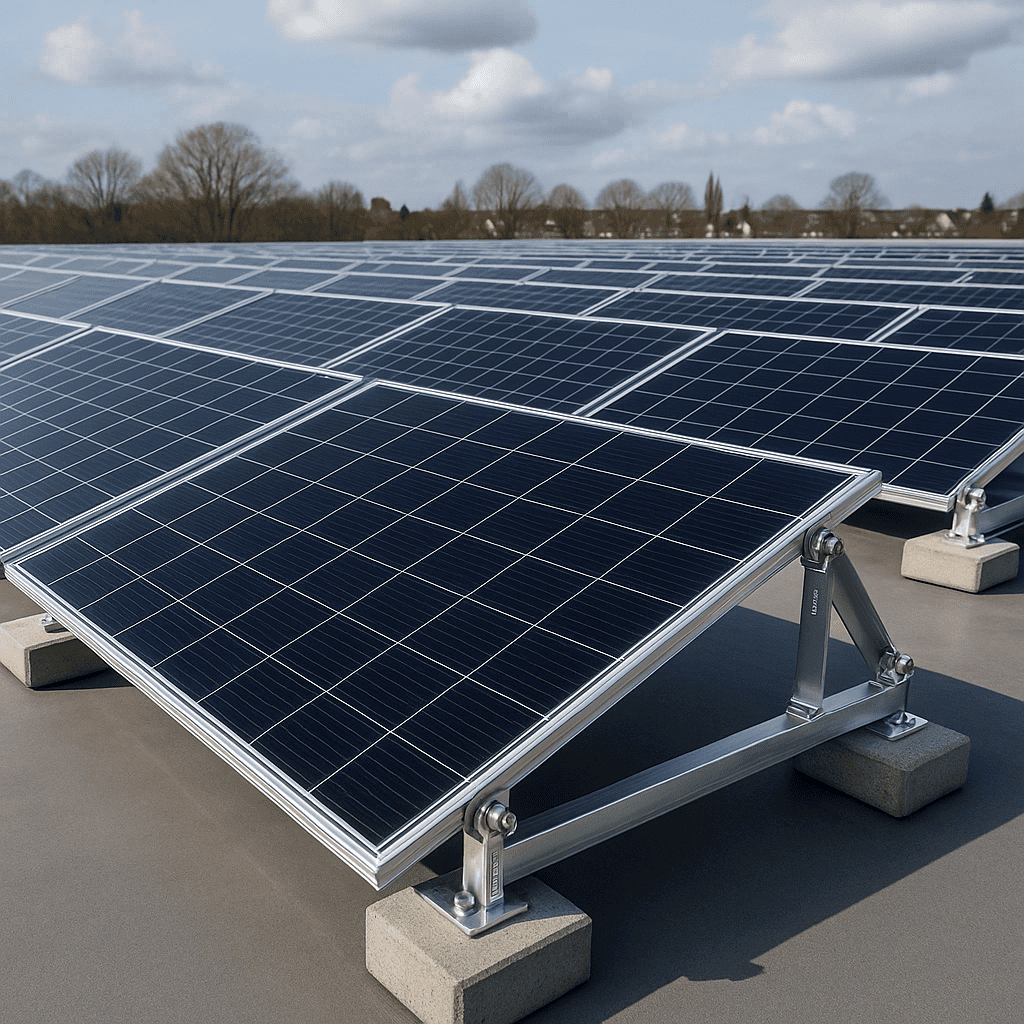
The choice of materials is a significant factor affecting the cost of ballasted solar mounting systems. High-quality materials may have a higher upfront cost but can offer better durability and longevity, potentially reducing long-term expenses. For instance, aluminium and stainless steel are commonly used materials that provide excellent resistance to corrosion and weathering but can vary in price.
Another important factor is the complexity of the roof design. A straightforward, flat roof with easy access will typically incur lower installation costs compared to a roof with multiple obstructions or an unusual shape. The need for custom engineering solutions to accommodate unique roof features can also lead to increased costs.
Lastly, regional labour costs and local regulations can have a substantial impact on the overall expense of installing a ballasted solar mounting system. Areas with higher wages or strict building codes may see increased installation costs, while regions with more competitive labour markets or streamlined permitting processes could offer cost savings. Understanding these regional variations can help in budgeting and planning for your solar project.