
How Solar Panels Reduce Energy Costs
Solar panels are an excellent investment for homeowners looking to decrease their energy expenses. By harnessing renewable energy, they provide significant savings on electricity bills while promoting sustainability.
Lowering Electricity Bills
Solar panels generate clean energy, which can significantly reduce reliance on traditional electricity sources, leading to lower monthly bills for homeowners.
Government Incentives and Savings
Many homeowners benefit from government incentives and rebates, enhancing the financial advantages of installing solar panels and further reducing overall energy costs.
Increased Property Value
Homes equipped with solar panels often see an increase in property value, making them a wise investment that pays off in multiple ways over time.
The Installation Journey
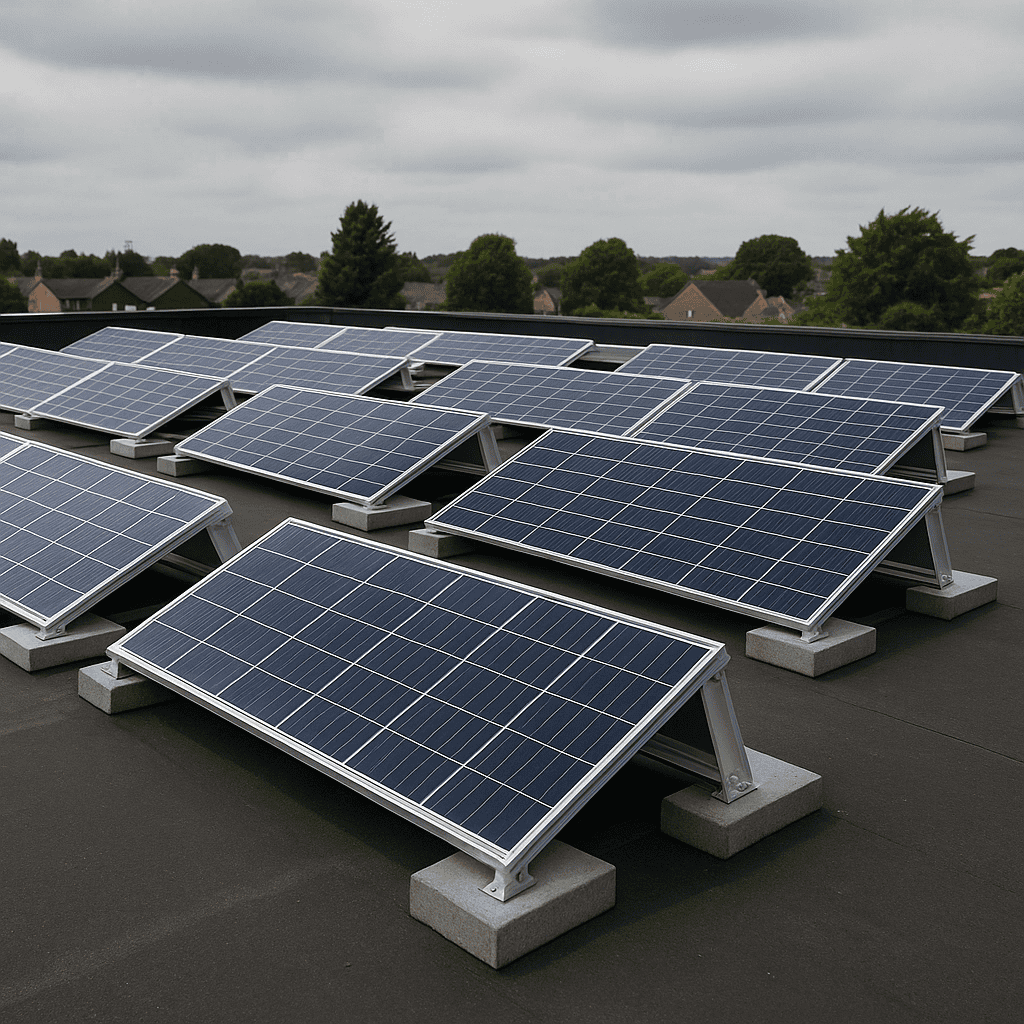
Embarking on the journey to a more sustainable future with our ballasted solar systems begins with a comprehensive, no-obligation site assessment. Our experienced team evaluates your property’s unique attributes to ensure optimal solar panel placement without compromising the integrity of your roof. This step is crucial for determining the best approach to maximize energy efficiency and savings.
Following the assessment, our expert designers craft a bespoke solar solution tailored to your energy needs. By utilizing cutting-edge design software, we ensure that each system not only meets but exceeds industry standards for performance and safety. Our commitment to quality guarantees a seamless integration of solar technology into your home or business.
The final step in the process is the certified installation by our skilled technicians. With meticulous attention to detail, we install your ballasted solar system swiftly and efficiently, minimizing disruptions to your daily life. Our service doesn’t end there; we offer ongoing maintenance and support to keep your system running at peak performance, ensuring you continue to save on energy bills year after year.
Solar Support
Ballasted systems use weights, not roof penetrations, to secure solar panels, preserving roof integrity and aesthetics.
Initial Considerations for Ballasted Systems
To get started with ballasted solar systems, the first step is to evaluate the structural integrity of your roof. It’s crucial to ensure that your roof can support the additional weight of the solar panels and ballast materials. Engaging a professional for a comprehensive site assessment will provide insights into the suitability of your roof for this type of installation. This assessment helps identify any necessary reinforcements and confirms compliance with local regulations.
Next, consider the specific energy needs of your home or business. This involves analyzing your current energy consumption and determining how a ballasted solar system can effectively meet those demands. Consulting with a renewable energy expert can guide you through the design options and help customize a system that maximizes efficiency and savings. Understanding these elements will set a solid foundation for the successful implementation of your solar energy solution.
Top 3 things about Ballasted Systems
Ballasted solar systems offer a versatile and efficient mounting solution for solar panels, particularly on flat roofs. Here are three key considerations.
No Roof Penetration Required
Ballasted systems do not require drilling into the roof, reducing the risk of leaks and structural damage while simplifying installation and maintenance processes.
Weight Distribution is Crucial
Proper weight distribution is essential to ensure stability and prevent shifting. Ballasts must be strategically placed to withstand wind loads and other environmental factors.
Suitable for Various Roof Types
Ballasted systems can be installed on a range of flat roof types, including commercial buildings, making them a flexible option for solar energy deployment.
Top 5 Questions About Ballasted Solar Systems
What are the advantages of using ballasted systems for solar panel mounting?
Ballasted systems provide stability without penetrating the roof, reducing the risk of leaks. They are easy to install and remove, making them ideal for temporary or semi-permanent installations, while also allowing for efficient water drainage and minimal structural impact.
How do ballasted systems compare to other mounting options in terms of installation costs?
Ballasted systems typically have lower installation costs compared to traditional mounting options, as they require no roof penetrations and minimal structural modifications. This can lead to reduced labour and material expenses, making them a cost-effective choice for solar installations.
What factors influence the cost of ballasted solar mounting systems?
The cost of ballasted solar mounting systems is influenced by factors such as the size and weight of the system, the type of ballast used, installation complexity, roof structure, and local regulations. Additionally, material quality and supplier pricing can impact overall expenses.
Are ballasted systems suitable for all types of roofs?
Ballasted systems are generally suitable for flat or low-slope roofs that can support the additional weight. However, they may not be appropriate for steeply pitched roofs or those with specific structural limitations. Always consult a professional for tailored advice.
What maintenance requirements are involved with ballasted solar mounting systems?
Ballasted solar mounting systems require minimal maintenance. Regular inspections should be conducted to check for debris accumulation, secure ballast integrity, and ensure proper drainage. Additionally, monitoring for any signs of wear or damage will help maintain optimal performance.