
How do string inverters and microinverters compare in terms of cost and efficiency?
In the realm of solar technology, choosing between string inverters and microinverters can significantly impact both the cost and efficiency of your solar power system. String inverters, considered the traditional choice, are generally more cost-effective upfront. They work by connecting a series of solar panels to a single inverter, which converts the collective DC electricity into AC electricity for use in your home or business.
Microinverters, on the other hand, are installed on each individual solar panel. This setup allows for greater efficiency, as each panel operates independently, optimising energy production even if one panel is shaded or malfunctioning. Although microinverters tend to have a higher initial cost, they can offer better long-term performance and reliability, particularly in installations where shading or complex roof layouts are factors.
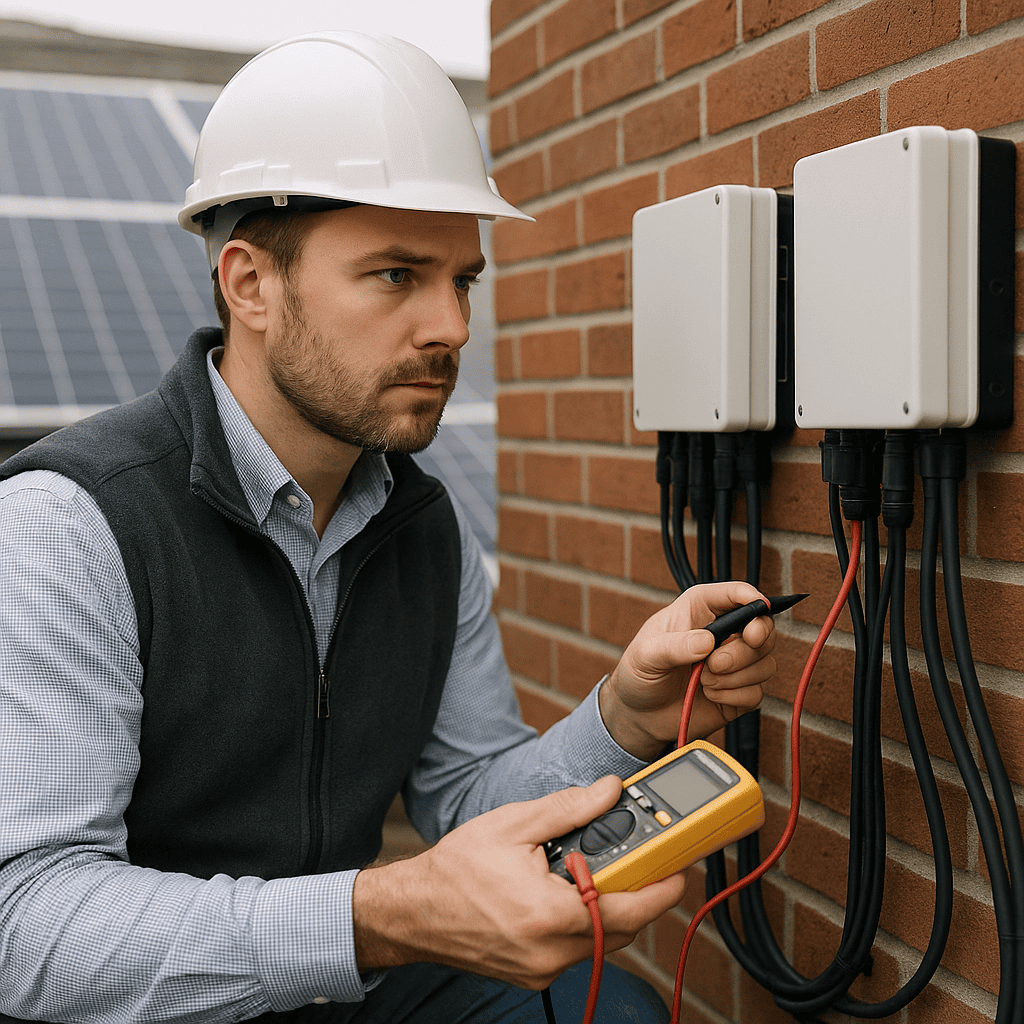
When considering cost, string inverters are typically the more economical option for larger-scale installations. Their centralised design means fewer components are needed, which often translates to lower installation and maintenance expenses. However, this cost advantage can be offset if system performance is compromised by factors like shading or uneven panel degradation.
Efficiency is where microinverters shine. Because each panel operates independently, microinverters can maximise energy output by mitigating the impact of shading or panel mismatch. This can be particularly beneficial in residential settings or smaller installations where such issues are more pronounced.
In summary, the decision between string inverters and microinverters largely depends on the specific requirements of your solar project. If initial cost is a primary concern and your installation conditions are optimal, string inverters may suffice. However, for those looking for enhanced efficiency and flexibility in challenging conditions, microinverters could provide a more robust solution, potentially offering better value over the system’s lifespan.