
How much do solar inverters typically cost and what factors influence the price?
Solar inverters are a crucial component of any solar energy system, serving to convert the direct current (DC) generated by solar panels into the alternating current (AC) used by most household appliances. The cost of solar inverters can vary significantly, typically ranging from a few hundred to several thousand pounds. This variation in price is influenced by a number of factors that should be carefully considered when planning your solar energy investment.
Understanding these factors can help you make an informed decision that aligns with your energy needs and budget. Factors such as the type of inverter, its capacity, brand reputation, and additional features play a significant role in determining the overall cost. By familiarising yourself with these elements, you can ensure that you choose a solar inverter that not only fits your financial plan but also enhances the efficiency and reliability of your solar energy system.
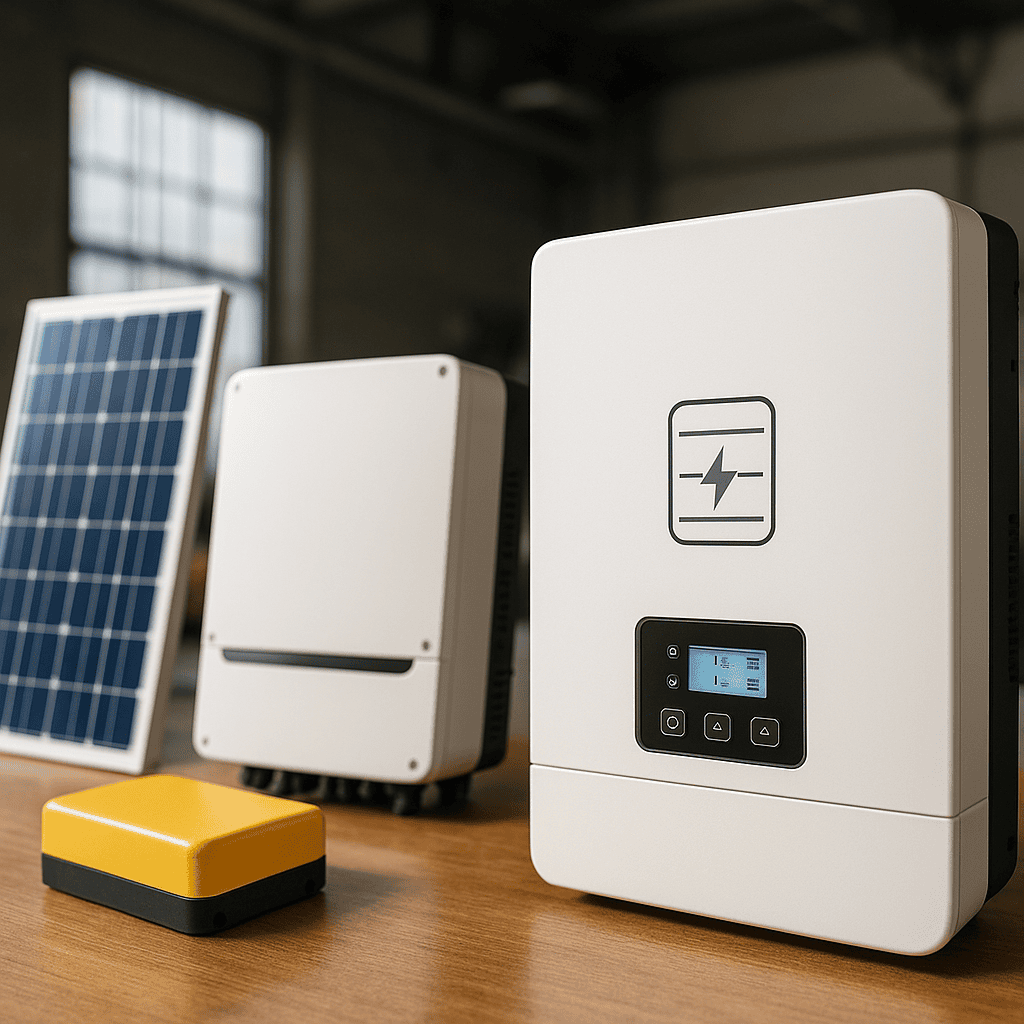
The type of solar inverter you select is one of the primary factors influencing cost. There are several types available, including string inverters, microinverters, and hybrid inverters, each with its own set of advantages and price points. String inverters are generally more affordable and are suitable for systems with uniform panel orientations, while microinverters, which are more expensive, offer enhanced performance in systems with shading issues or varied orientations.
Capacity or power rating is another crucial factor affecting the price. Inverters must be appropriately sized to handle the maximum output of your solar panels. Larger or higher-capacity inverters will naturally cost more, but they ensure your system can operate efficiently under peak conditions. It is essential to match the inverter’s capacity with your energy consumption patterns to avoid unnecessary expenditure.
Lastly, additional features such as smart technology, warranty length, and brand reputation can also influence the cost of solar inverters. Advanced features like remote monitoring, compatibility with battery storage, and enhanced efficiency can increase the price. Additionally, opting for a reputable brand with a longer warranty can provide peace of mind and long-term savings, despite the initial higher cost.