What advantages do solar optimisers provide compared to traditional string inverters?
Solar optimisers offer distinct advantages over traditional string inverters, primarily by enhancing the efficiency and performance of solar power systems. These devices are designed to maximise the energy output of each solar panel, allowing for more precise control and monitoring of individual panel performance. This innovation addresses several limitations commonly associated with traditional string inverters.
By optimising each panel independently, solar optimisers can significantly mitigate the impact of shading, debris, or panel mismatches that might otherwise reduce the overall system efficiency. They ensure that each panel operates at its maximum potential, thus increasing the overall energy yield. This makes solar optimisers a compelling choice for those seeking to maximise their solar energy investments.
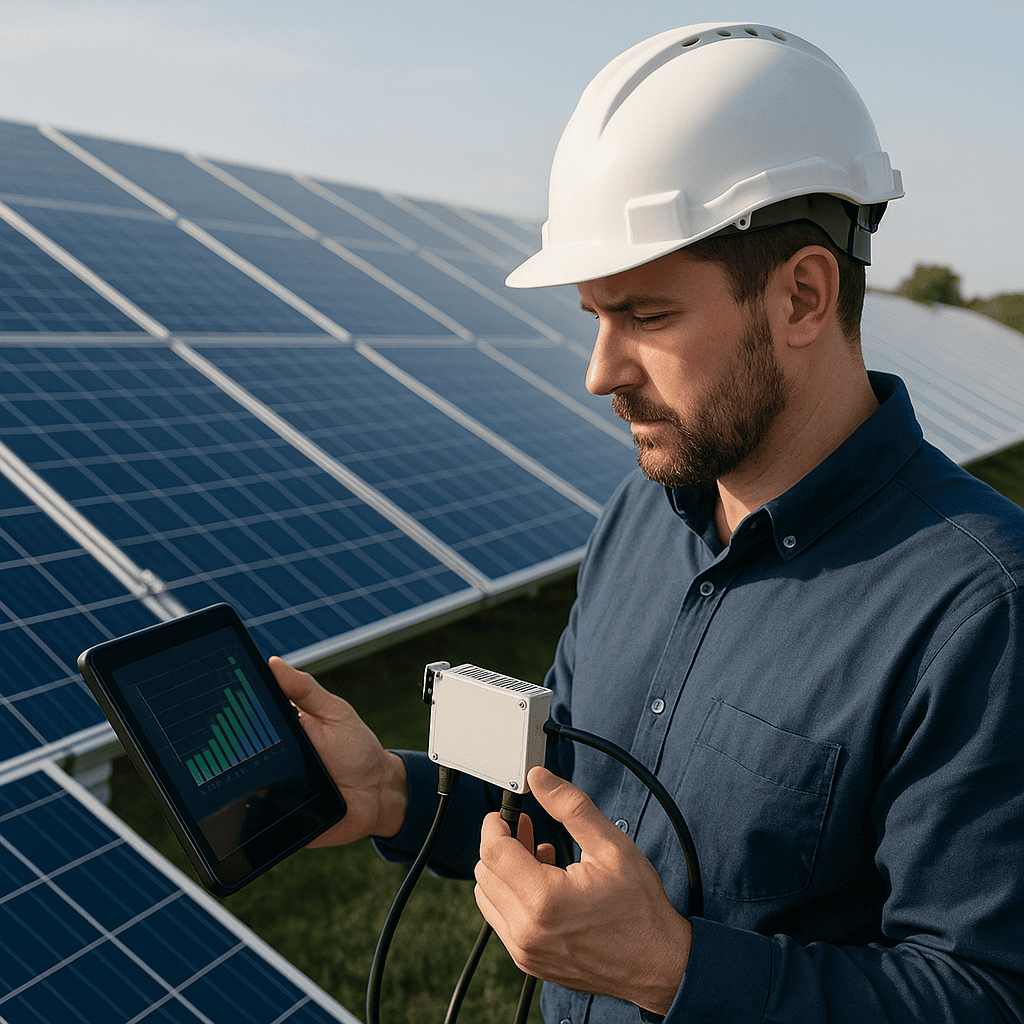
One of the primary advantages of solar optimisers is their ability to manage the performance of each panel individually. Traditional string inverters are often limited by the performance of the weakest panel in the string, which can reduce the overall efficiency of the system. In contrast, solar optimisers ensure that each panel functions at its peak, regardless of the performance of neighbouring panels.
Furthermore, solar optimisers provide enhanced monitoring capabilities. They allow users to track the performance of each panel in real-time, offering valuable insights into the system’s operation. This level of detail can be instrumental in identifying issues early, ensuring maintenance can be carried out promptly to preserve optimal performance.
Finally, solar optimisers contribute to increased energy production. By minimising the impact of shading and other inefficiencies, they help to maximise the energy harvested from each panel. This results in a more reliable and productive solar energy system, ultimately leading to greater savings and a quicker return on investment.