
What is the impact of inverter sizing on solar energy efficiency?
Inverter sizing plays a crucial role in determining the efficiency of a solar energy system. The inverter, which converts the direct current (DC) produced by solar panels into alternating current (AC) for home or business use, must be appropriately sized to ensure optimal performance. If the inverter is too small, it may not handle the maximum output from the solar panels, leading to energy wastage. Conversely, an oversized inverter can result in unnecessary costs without significant efficiency gains.
Understanding the impact of inverter sizing on solar energy efficiency is vital for anyone looking to maximise their investment in solar technology. Correctly sizing an inverter ensures that the solar energy system operates efficiently, providing the maximum return on investment. This introduction explores the importance of inverter sizing and sets the stage for a more detailed discussion on achieving optimal solar energy performance.
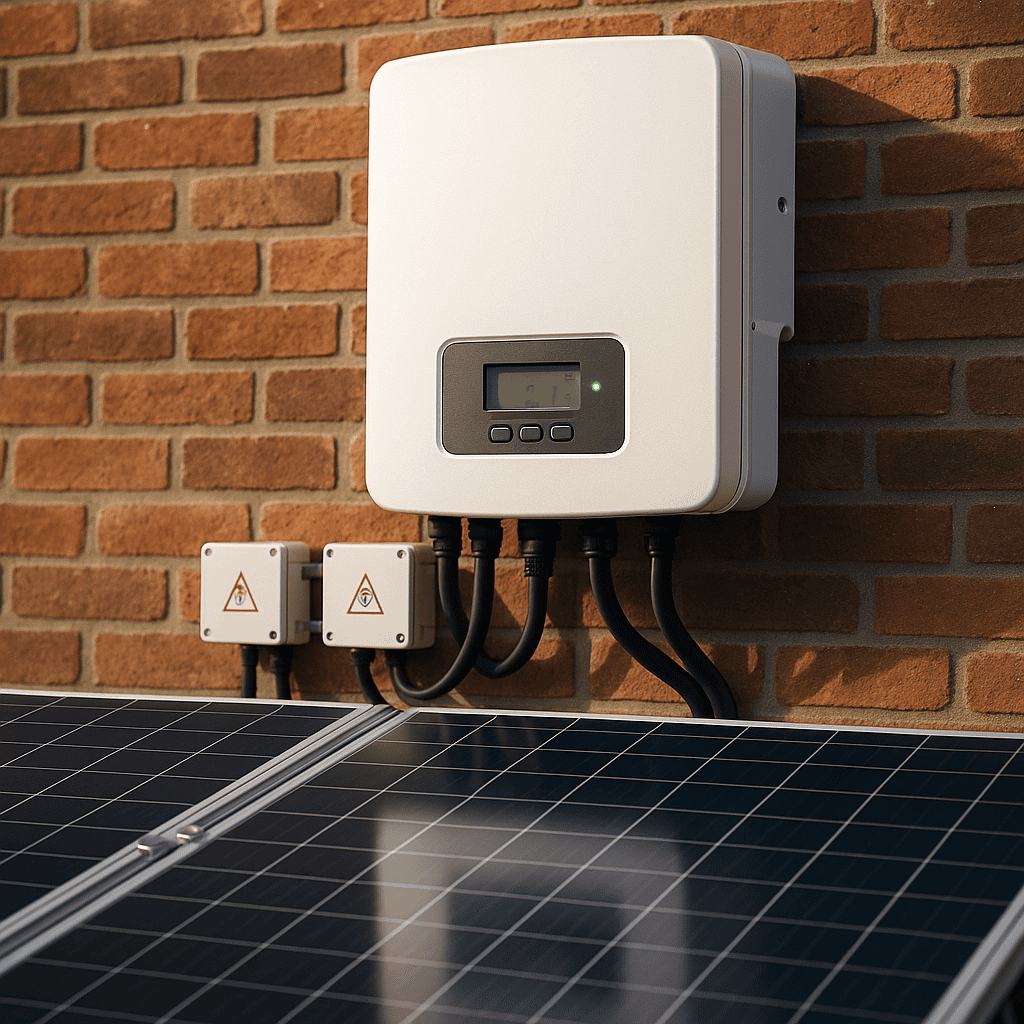
The key to inverter sizing lies in matching the inverter’s capacity with the output of the solar panels. Ideally, the inverter should be capable of handling the solar array’s peak power output, allowing it to efficiently convert all generated energy into a usable form. However, it’s important to note that solar panels rarely operate at their maximum capacity due to varying weather conditions and other environmental factors. Therefore, some experts suggest sizing the inverter slightly lower than the total panel capacity to optimise cost and performance.
An undersized inverter may lead to energy clipping, where excess energy is lost during peak production times. This can reduce the overall efficiency of the solar energy system. On the other hand, an oversized inverter might not reach its optimal efficiency range, as it may not operate at full capacity frequently enough. This can lead to inefficiencies and unnecessarily high initial investment costs.
Ultimately, achieving the right balance in inverter sizing involves considering several factors, including the geographic location, typical weather conditions, and specific energy needs. Consulting with solar professionals and conducting a thorough analysis of the energy consumption patterns can provide a better understanding of the optimal inverter size for a particular solar installation. By carefully considering these elements, individuals can ensure their solar energy system operates at peak efficiency, maximising both energy output and financial savings.