What factors contribute to inverter fault codes in solar technology?
Inverter fault codes in solar technology can be quite perplexing, especially for those new to solar energy systems. These codes are essentially the system’s way of communicating that something isn’t functioning as it should. Various factors can contribute to the appearance of these codes, and understanding them is crucial for maintaining the efficiency and longevity of your solar setup.
Among the primary causes of inverter fault codes are electrical issues, environmental conditions, and equipment malfunctions. Electrical problems, such as grid voltage fluctuations or wiring faults, are common culprits. Additionally, external factors like extreme temperatures or shading can impact the system’s performance and trigger fault codes. Regular maintenance and monitoring can help in diagnosing and addressing these issues promptly.
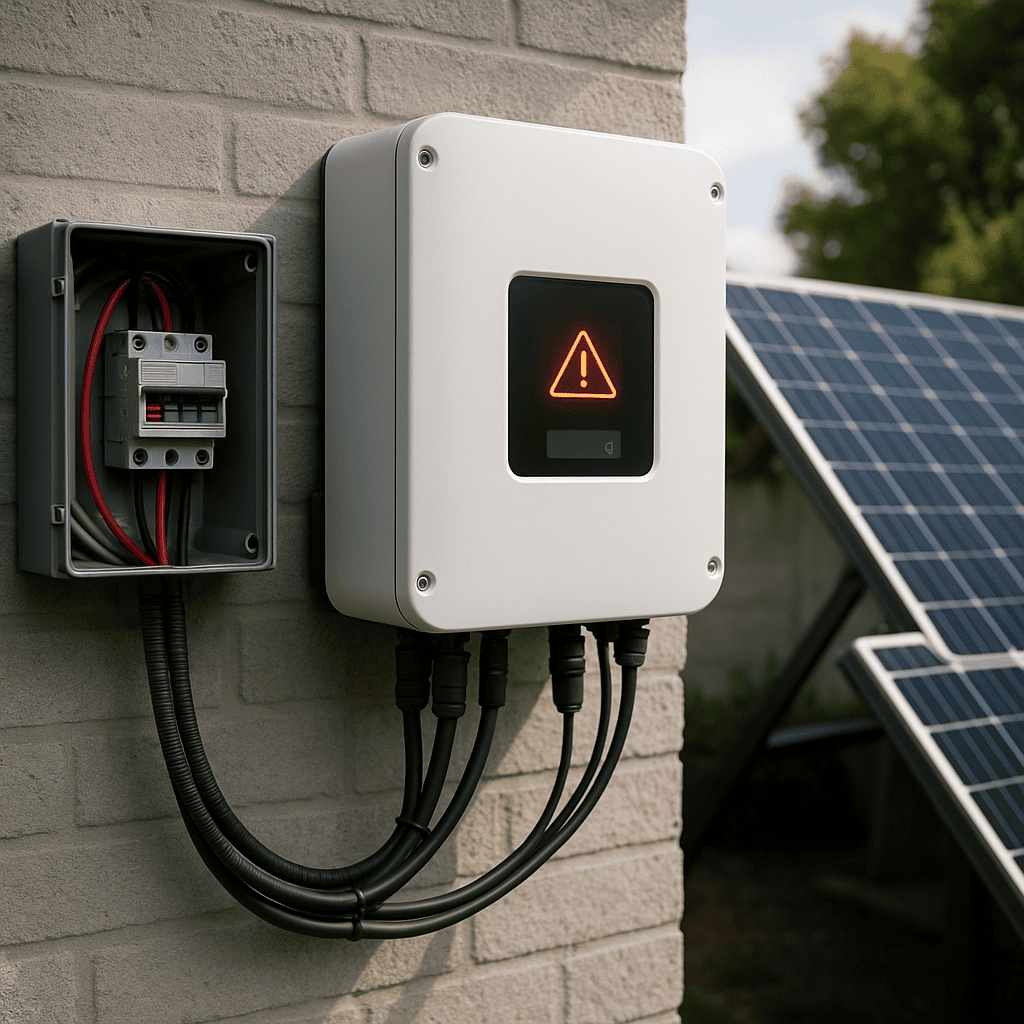
Electrical issues are a significant factor in the emergence of inverter fault codes. These can include grid voltage irregularities, which may cause the inverter to shut down to protect itself and the connected systems. Wiring faults, such as loose connections or damaged cables, can also lead to inefficiencies and subsequent fault codes. Ensuring that all electrical components are properly installed and maintained is essential for preventing these issues.
Environmental conditions play a crucial role in the functioning of solar inverters. Excessive heat or cold can affect the inverter’s performance, leading to fault codes. Similarly, shading from trees or buildings can reduce the solar panels’ efficiency, causing the inverter to register a problem. Keeping the installation site clear and ensuring adequate ventilation can help mitigate these environmental impacts.
Lastly, equipment malfunctions can contribute to inverter fault codes. Over time, components within the inverter may wear out or fail, requiring repair or replacement. Regular maintenance checks can help identify potential problems before they escalate into more serious faults. By understanding these factors, solar technology users can take proactive steps to ensure their systems operate smoothly and efficiently.