
What are the key differences between AC and DC in solar inverters?
When considering solar inverters, understanding the distinction between AC (Alternating Current) and DC (Direct Current) systems is crucial for optimising your solar energy setup. Solar panels generate DC electricity, which must be converted to AC for home and business use. The choice between AC and DC inverters can significantly impact the efficiency, safety, and overall performance of your solar system.
AC inverters convert the DC electricity generated by solar panels into AC at a central inverter, typically located near your electrical panel. In contrast, DC systems use microinverters or power optimisers attached to each solar panel, converting the electricity at the source. Knowing the differences and advantages of each type helps in making an informed decision for a reliable solar installation.
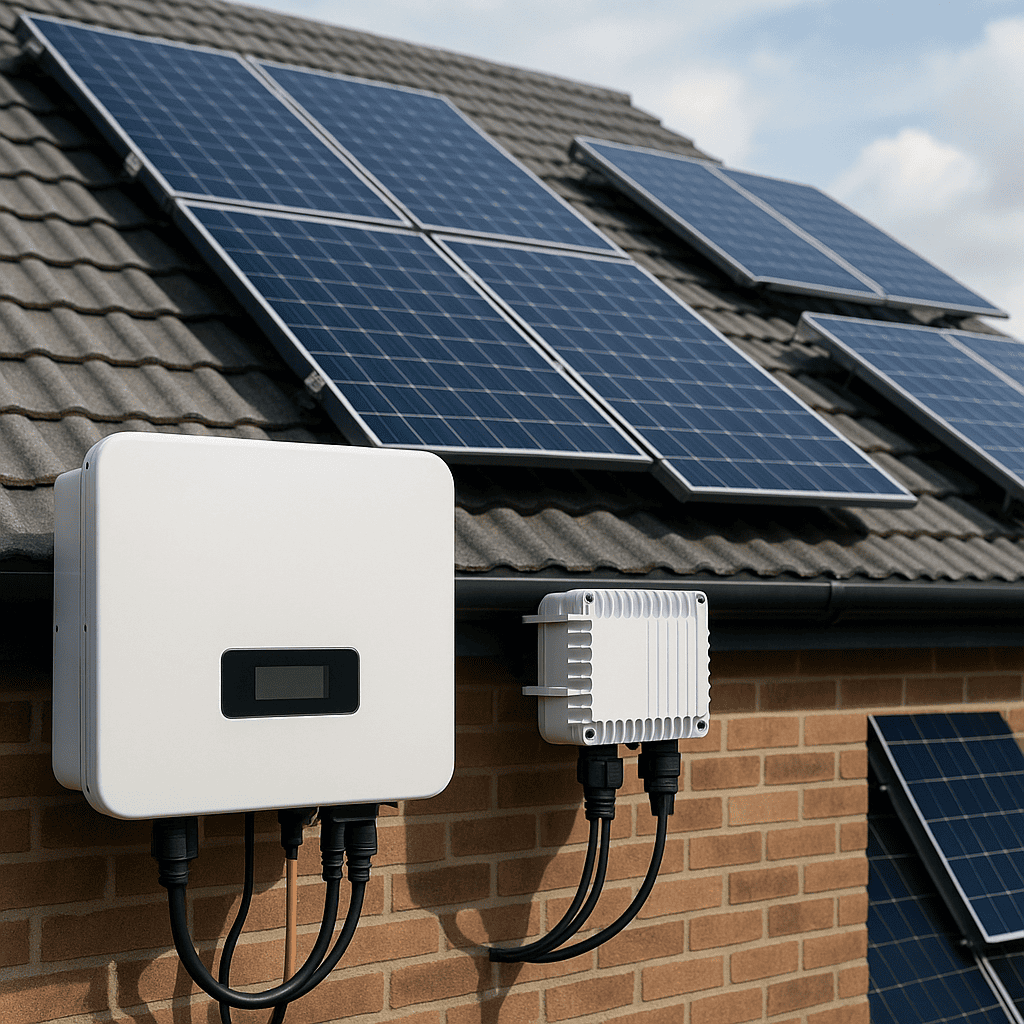
One of the primary differences between AC and DC inverters lies in their conversion processes. AC inverters centralise the conversion of electricity, which can simplify installation and maintenance. However, if one panel underperforms due to shading or malfunction, it can affect the entire system. Conversely, DC systems with microinverters allow each panel to operate independently, which can enhance performance and reliability, especially in varied light conditions.
Safety is another important consideration. DC systems often operate at lower voltages, which can reduce the risk of electrical hazards during installation and maintenance. Furthermore, microinverters in DC systems can shut down automatically in the event of a grid outage, adding an extra layer of protection.
Efficiency can also differ between the two systems. DC systems tend to offer higher efficiency levels as each panel can perform at its optimal level without being affected by the performance of other panels. In contrast, AC systems can be less efficient if part of the array is shaded or dirty, as the performance of the entire system can be impacted. Understanding these differences can guide you in selecting the most suitable inverter type for your solar energy needs.