
What strategies can solar users implement to maximize savings with time of use tariffs?
Time of use (TOU) tariffs offer solar users a unique opportunity to enhance their savings by aligning energy consumption with periods of lower electricity rates. By understanding when these off-peak times occur, solar users can strategically plan their energy usage to coincide with cheaper rates, thereby maximising their financial benefits. Implementing effective strategies not only reduces electricity bills but also optimises the use of solar energy generated during peak sunlight hours.
For solar users, the key to maximising savings lies in integrating TOU tariffs with their existing energy habits. By adjusting usage patterns and possibly investing in complementary technologies such as battery storage, users can store excess solar energy generated during the day for use during more expensive peak periods. This approach ensures that they are not only saving money but also contributing to a more sustainable energy future.
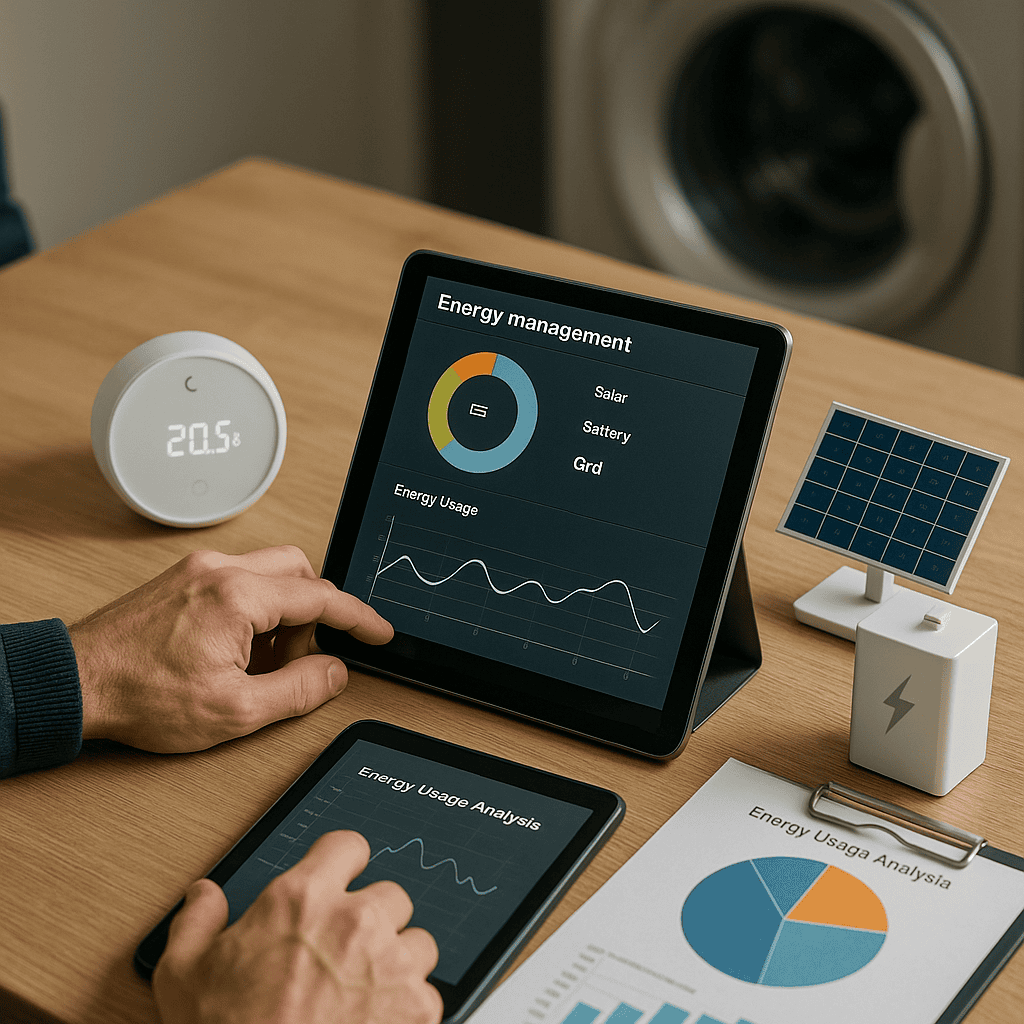
To fully capitalise on TOU tariffs, solar users should first analyse their household’s energy consumption patterns. Identifying peak usage times allows users to shift high-energy activities to off-peak periods, such as running dishwashers or washing machines during late evenings or early mornings. This simple change can lead to significant savings over time.
Moreover, investing in smart home technology can greatly enhance the ability to manage energy consumption effectively. Smart thermostats and timers can automate energy use, ensuring that appliances run during the most cost-effective times. This not only maximises savings but also adds convenience to daily routines.
Finally, integrating a battery storage system can further optimise savings by storing excess solar energy generated during the day for use during peak periods when electricity is more expensive. This strategy not only reduces reliance on the grid during high-cost times but also ensures that the solar energy produced is utilised to its fullest potential, providing both economic and environmental benefits.
