
What role do export tariffs play in the economics of solar grid services?
Export tariffs play a pivotal role in shaping the economics of solar grid services by influencing the financial viability of exporting excess solar energy back to the grid. These tariffs, which are fees imposed on the electricity exported from solar panels to the grid, can significantly impact the overall return on investment for solar energy producers. By understanding the intricacies of these tariffs, stakeholders can make informed decisions about their solar energy investments.
In essence, export tariffs are designed to regulate the flow of energy between solar producers and the grid, ensuring that the energy supply remains balanced and efficient. They can either encourage or discourage the adoption of solar technologies, depending on how they are structured. A well-calibrated tariff system can promote the growth of solar energy by providing financial incentives, while poorly designed tariffs may hinder the expansion of solar grid services.
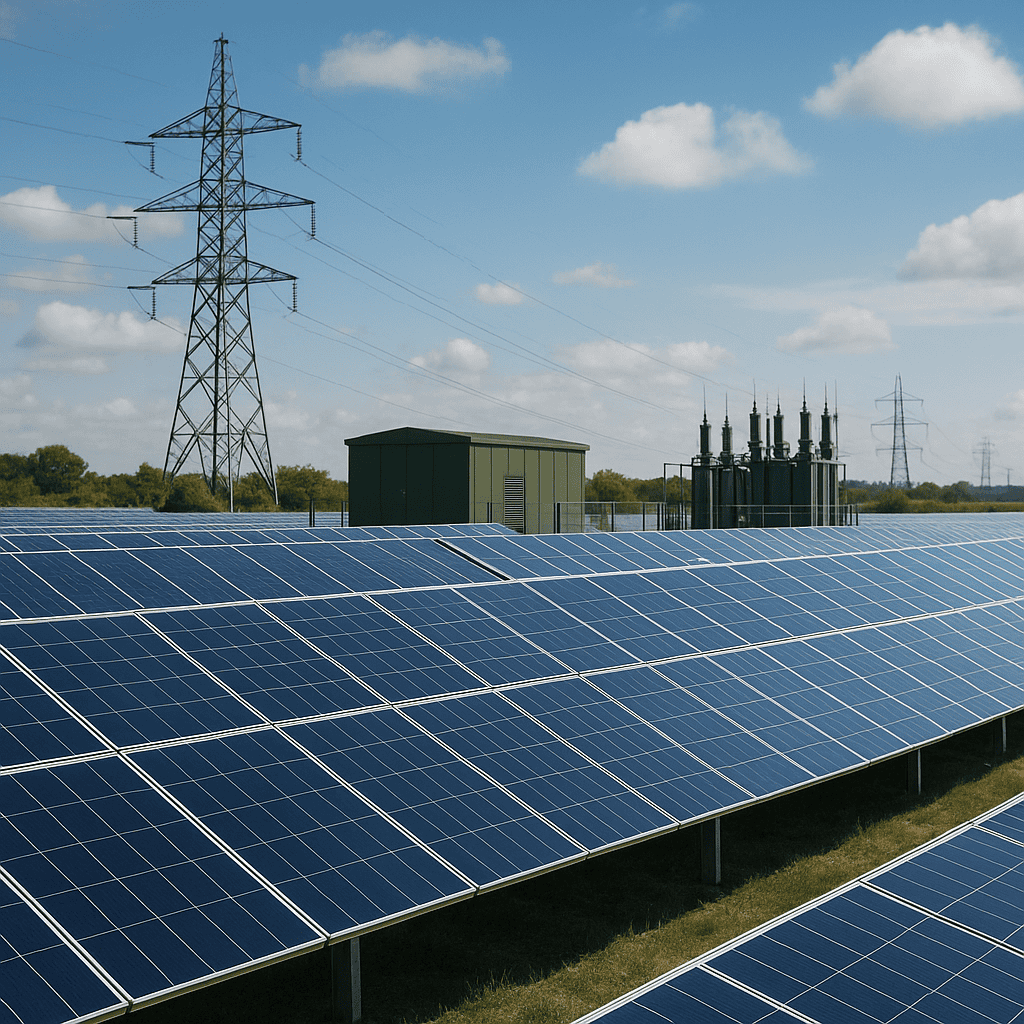
Export tariffs serve as a mechanism to ensure that the grid remains stable and reliable, especially as the contribution of solar energy continues to grow. By setting tariffs at appropriate levels, grid operators can manage supply and demand effectively, preventing overloading and ensuring that the grid can accommodate the fluctuating nature of solar power. This balance is crucial for maintaining the integrity of the energy system and for encouraging further investment in renewable technologies.
Moreover, export tariffs can foster flexibility within the energy market by incentivising solar producers to optimise their energy output. For instance, tariffs that offer higher returns during peak demand periods can encourage producers to invest in energy storage solutions, allowing them to store excess energy and release it when it is most needed. This not only benefits the grid but also enhances the profitability of solar investments, creating a win-win scenario for all parties involved.
Finally, the structure of export tariffs can have broader economic implications, influencing the competitiveness of solar energy compared to other energy sources. Fair and transparent tariff systems can level the playing field, encouraging innovation and competition within the renewable energy sector. By promoting a dynamic market environment, export tariffs can drive down costs and accelerate the transition towards a more sustainable energy future.