
How can solar technology enhance grid stability and flexibility?
Solar technology plays a pivotal role in enhancing grid stability and flexibility by providing reliable and sustainable energy solutions. As solar power becomes increasingly integrated into the energy mix, it offers significant benefits to electrical grids, including reducing dependence on fossil fuels and enhancing energy security.
By harnessing the abundant and renewable energy of the sun, solar technology contributes to a more resilient and adaptable grid. This is achieved through technological advancements such as solar panels and energy storage systems, which ensure consistent power supply even during peak demand or unforeseen disruptions.
One of the primary ways solar technology enhances grid stability is through the decentralisation of energy production. Distributed solar installations, such as rooftop panels, reduce the load on centralised power plants and minimise transmission losses. This decentralisation leads to a more robust and resilient grid, capable of withstanding localised disturbances without affecting the entire network.
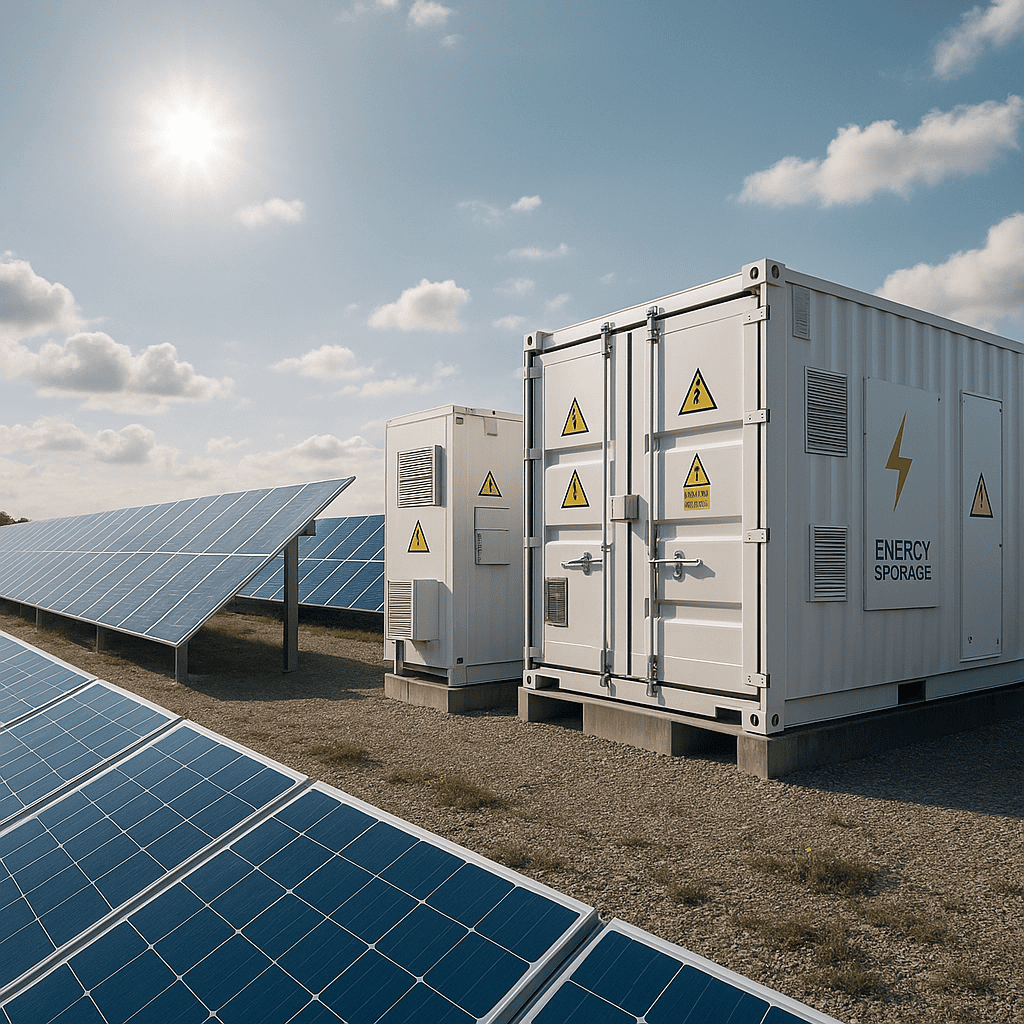
Additionally, solar technology improves grid flexibility through advanced energy storage solutions. Batteries and other storage systems store excess solar energy generated during the day, making it available for use during periods of high demand or when solar production is low. This capability not only stabilises the grid but also helps balance supply and demand effectively.
Furthermore, solar technology can provide essential grid services, such as frequency regulation and voltage support. By responding swiftly to changes in grid conditions, solar systems can help maintain optimal operating conditions, ensuring a stable and efficient energy supply. These contributions demonstrate the vital role solar technology plays in creating a more stable and flexible grid infrastructure.