
What are the benefits of complying with G99 standards for solar export?
Complying with G99 standards for solar export is essential for ensuring a smooth and efficient integration of solar energy systems into the national grid. These standards, set forth by the Energy Networks Association, provide a framework that helps maintain grid stability and reliability. By adhering to these guidelines, solar energy producers can avoid potential disruptions and ensure that their systems operate safely and effectively.
Moreover, compliance with G99 standards can lead to significant cost savings and operational efficiencies. By following the established protocols, solar producers can reduce the likelihood of costly modifications and delays in grid connection. This proactive approach not only facilitates a more seamless connection process but also supports the long-term sustainability of the energy infrastructure.
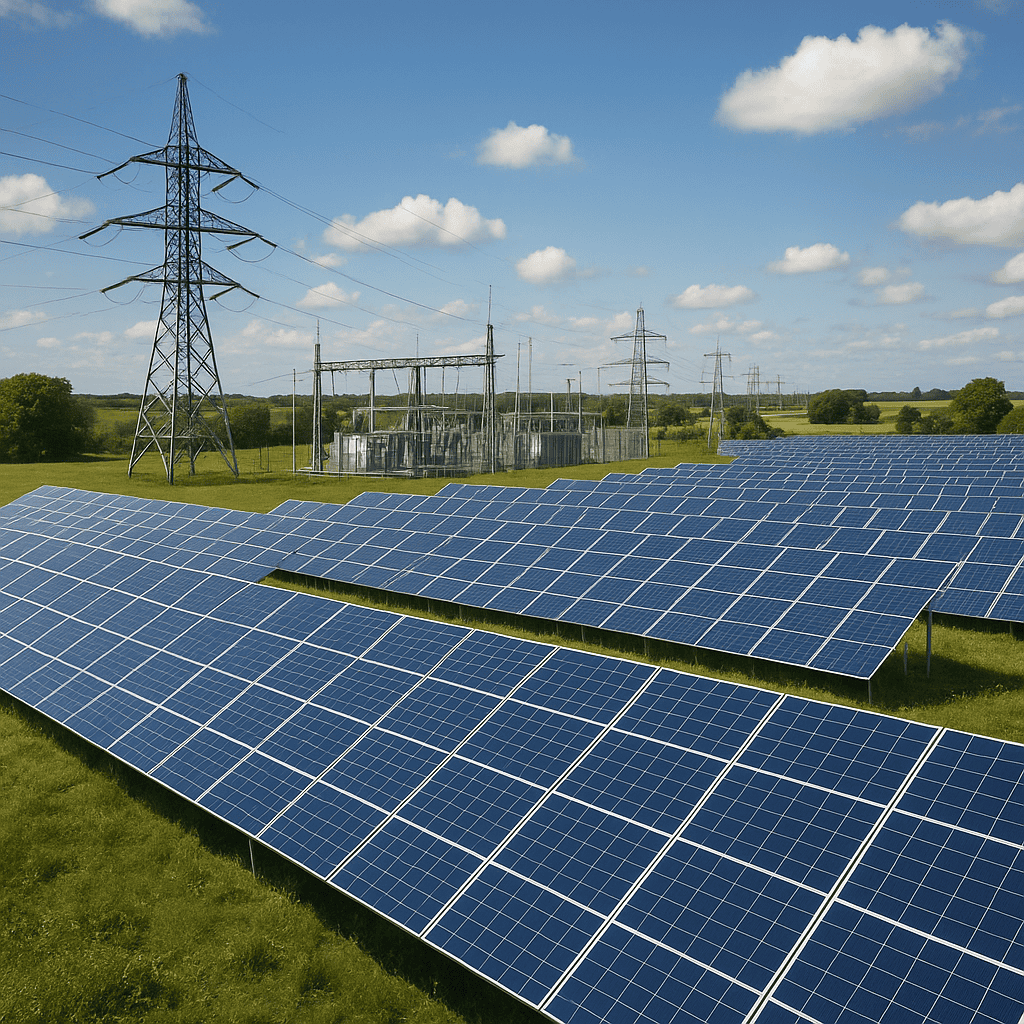
One of the primary benefits of complying with G99 standards is the enhancement of grid stability. By following these guidelines, solar energy systems can be designed and operated in a manner that minimises disruptions to the grid. This is particularly important as the penetration of renewable energy sources continues to grow, requiring careful coordination to maintain reliable energy supply.
Additionally, adhering to G99 standards can lead to reduced connection costs. By ensuring that solar systems meet the necessary technical requirements from the outset, producers can avoid the expense and inconvenience of retrofitting or modifying systems. This can result in more predictable project timelines and financial planning, benefiting both the producers and the grid operators.
Finally, compliance with G99 standards supports the broader transition to renewable energy by providing a clear and consistent framework for connection. This not only encourages investment in solar technology but also fosters innovation and development within the sector. By aligning with these standards, producers contribute to a more resilient and sustainable energy future.
